EPoSS Annual Forum 2026: Europe’s Smart Systems Integration Leadership in Focus
June 25, 2026
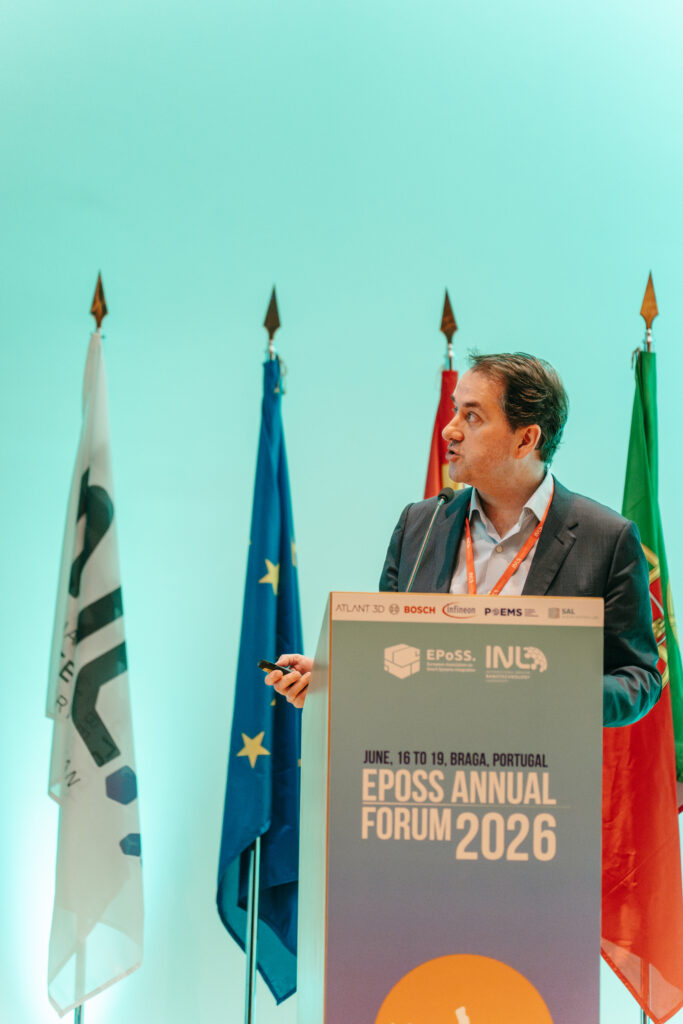
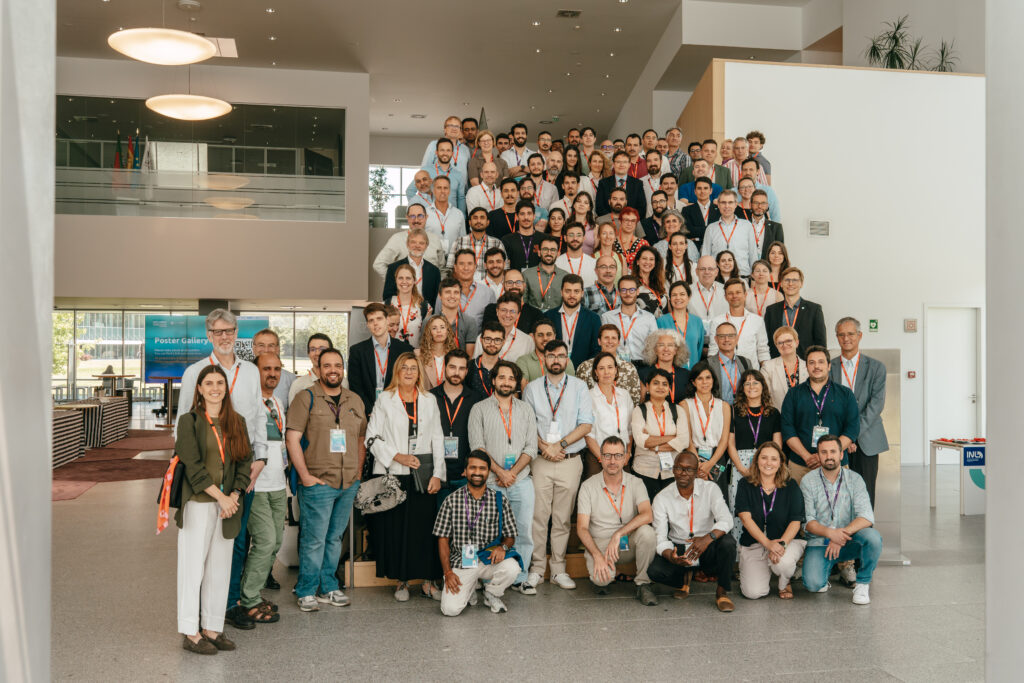
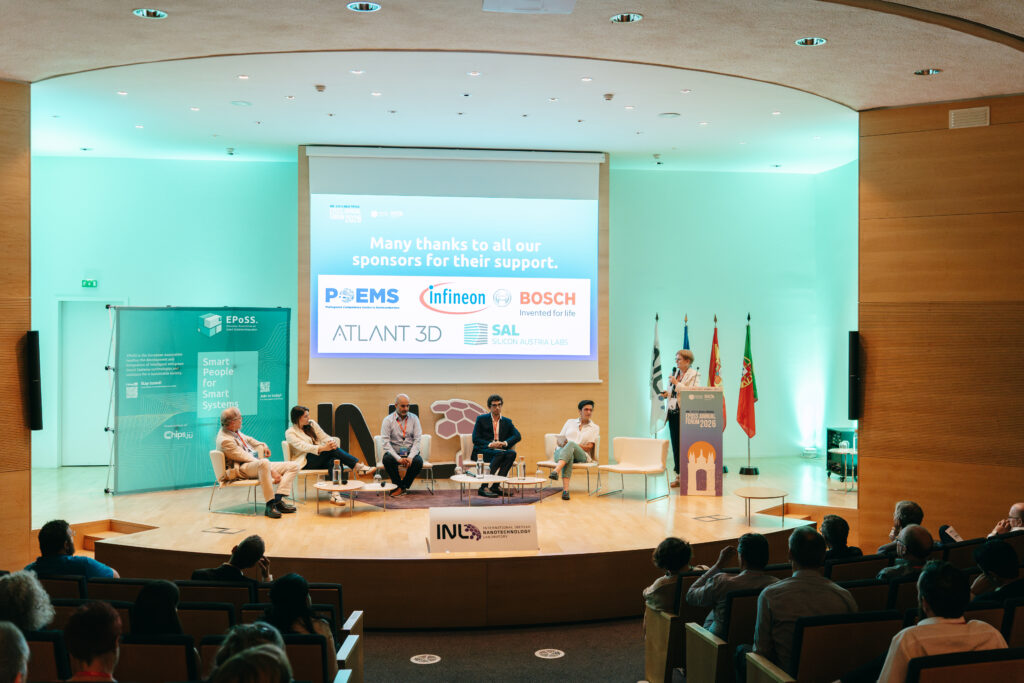
Between 16 and 19 June, the International Iberian Nanotechnology Laboratory (INL) hosted the EPoSS Annual Forum 2026, the flagship gathering of the European Association on Smart Systems Integration (EPoSS). Co-organised with EPoSS, a pan-European network dedicated to the development and integration of intelligent, green Smart Systems technologies, the event drew around 130 participants and was supported by ATLANT 3D, BOSCH, Infineon, POEMS and Silicon Austria Labs.
The forum arrives at a pivotal moment for the sector, as the EU intensifies its drive to build a competitive Smart Systems Integration landscape across the continent. That ambition is being underpinned by a growing framework of initiatives in legislation, funding and network including Chips Act 2.0, the Chips Joint Undertaking (Chips JU), and aCCCess.
The four-day programme was structured in two parts: the first and final days were reserved for EPoSS members only, while days two and three opened up to a full agenda of 32 talks, a panel discussion, a poster session, and a pitch competition for the EPoSS Start-Up Award and the POEMS Start-Up Award.
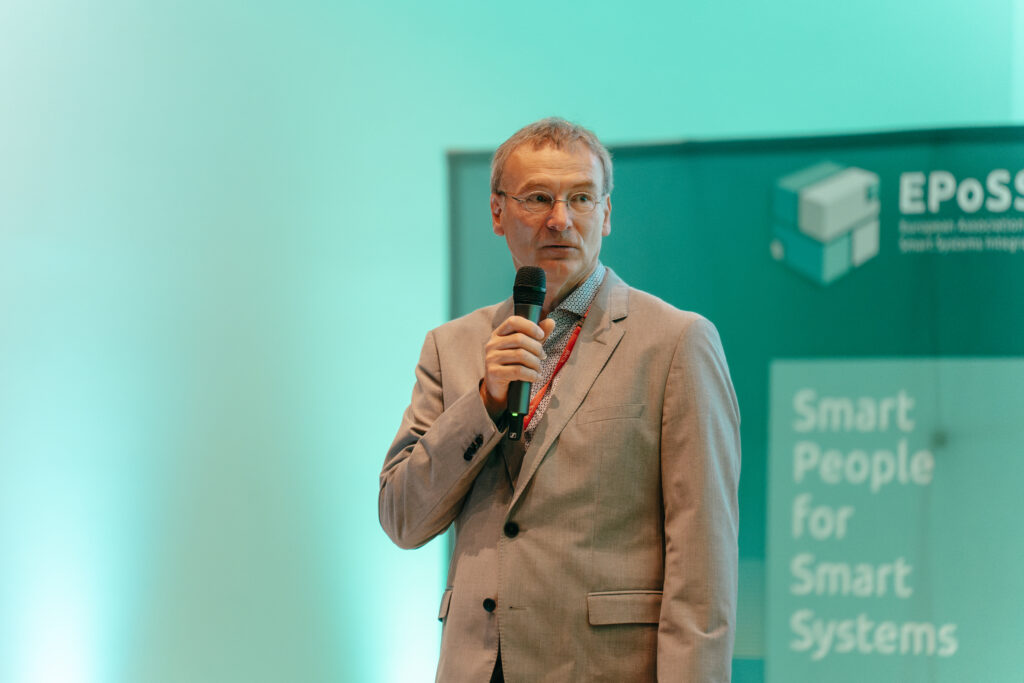
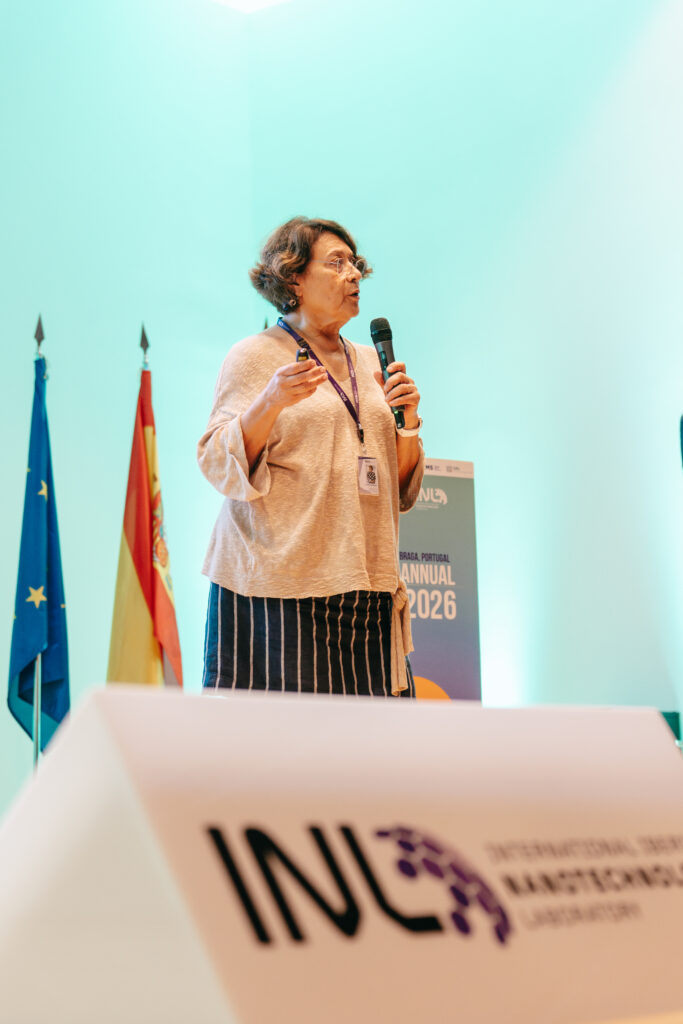
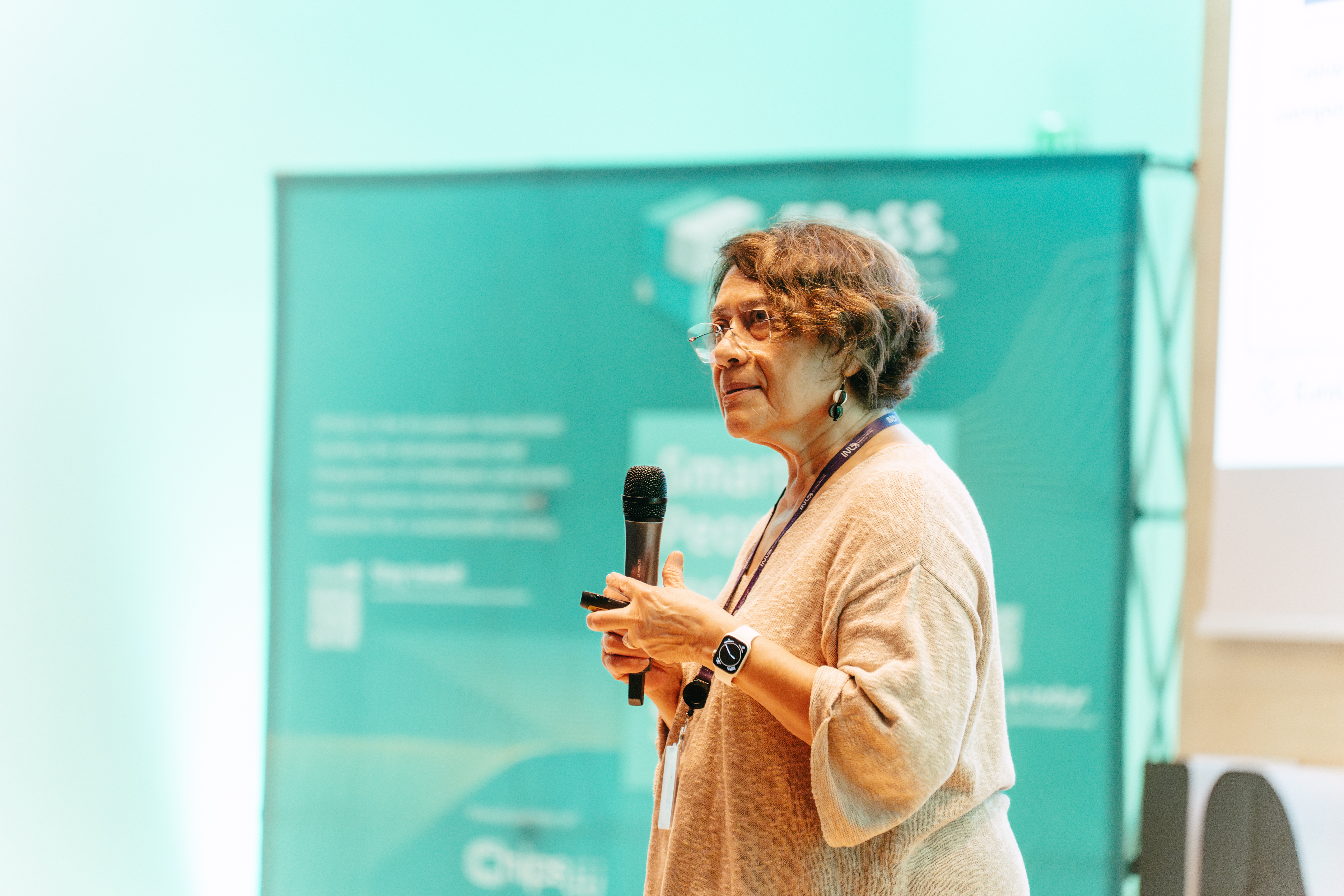
Proceedings began with welcome remarks from a distinguished line-up of speakers. Guido Ceresole, Chairman of the EPoSS Executive Committee, opened the session, followed by addresses from Dr Wolfgang Dettmann, Vice Chairman of EPoSS; Clivia Sotomayor, Director General at INL; Arian Zwegers, Deputy Head at DG CNECT, European Commission; and Afonso Duarte, National Delegate and NCP for Chips JU at ANI. A common thread ran through every speech: the strategic importance of Smart Systems Integration to Europe’s technological sovereignty.
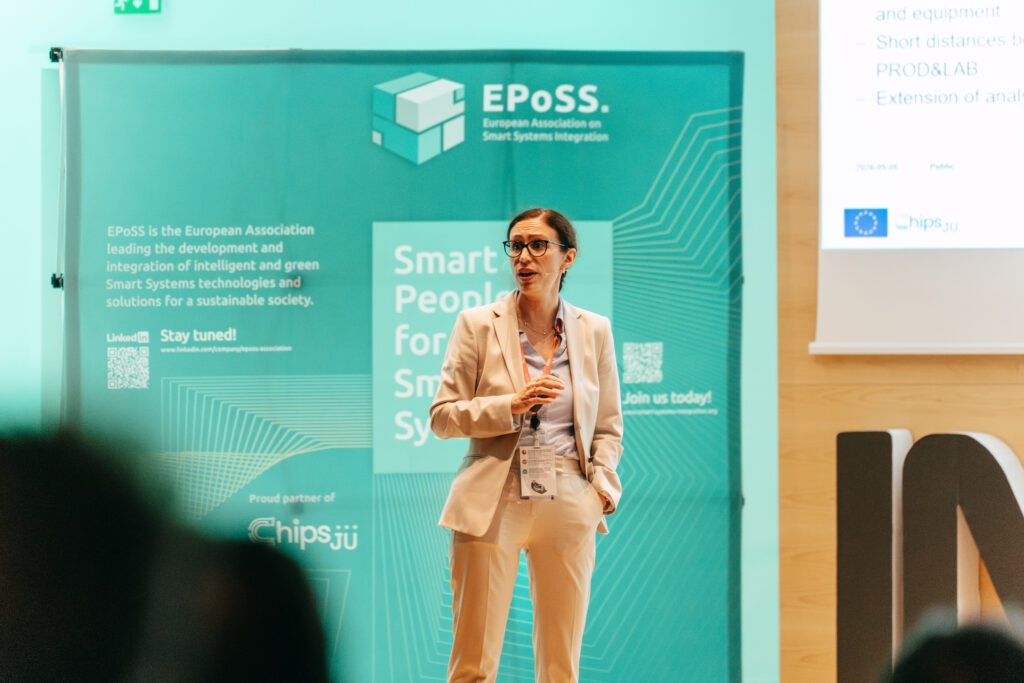
With the welcome proceedings concluded, the floor turned to expertise. Over two days, the auditorium welcomed 32 speakers covering a broad sweep of topics, from advanced semiconductor packaging and European policy initiatives to integrated photonics, green electronics, healthcare technology, and smart sensing and IoT. The programme was organised into seven thematic sessions:
- Spotlight Session 1: Sensing the Future — Building the Intelligent Edge
- Session 2: Beyond the Chip — Advanced Packaging for Next-Gen Smart Systems
- Session 3: The Future of Packaging — Design, Modelling and Breakthrough Technologies
- Session 4: Lighting the Way — Photonics as the Driver of Tomorrow’s Technology
- Session 5: Building a Green Future for ECS
- Session 6: Sensing the Future — Enabling Intelligent Systems
- Session 7: Smart Systems for a Healthier Tomorrow
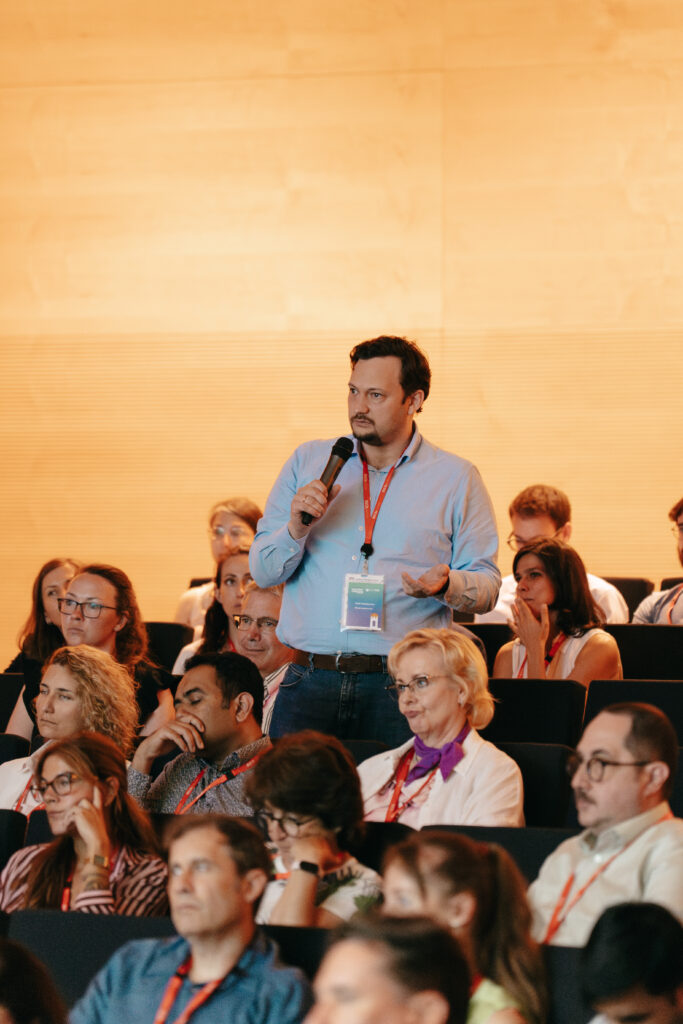
A lively poster session added further depth to the discussions, showcasing 58 contributions that reflected the breadth of national and international research currently underway in the field.
Among the forum’s standout moments was a panel discussion on “Industrialising Integrated Photonics in Europe: The Role of Pilot Lines, CCCs and the Chips Act 2.” Chaired by Marina Dias of INL and Elisabeth Steinmetz of the EPoSS Association, the session opened with an introduction from Jari Kinaret, who set the scene with an overview of ongoing Chips JU initiatives before the panel took the floor.
The event also featured a highly-anticipated competition, with representatives from AiQUOS, Exognis and Logiicdev GmbH pitching for the EPoSS Start-Up Award and the POEMS Start-Up Award: two initiatives designed to support promising ventures founded after 1 January 2022, working respectively in Smart Systems Integration and semiconductors.
The winners were announced at the EPoSS gala dinner on day two. AiQUOS won the EPoSS Start-Up Award, earning a year’s EPoSS membership and two complimentary tickets to next year’s Annual Forum. The company develops smart multiparametric probes that integrate electrochemical microsensors, embedded neuromorphic AI, and edge computing to deliver real-time water quality monitoring. Exognis claimed the POEMS Start-Up Award, receiving a €2,500 voucher for POEMS consultancy services plus access and visibility within the POEMS network. The startup revolutionises tool condition monitoring through non-invasive, vibration-based technology that surpasses traditional component-level sensors.
Taken as a whole, the EPoSS Annual Forum 2026 offered a valuable platform for the Smart Systems Integration community to take stock of recent advances, forge new connections, and chart a shared path forward. INL extends its warm thanks to EPoSS and to all the event’s sponsors for making the forum possible, and for their continued contribution to Europe’s autonomy in Smart Systems Integration.