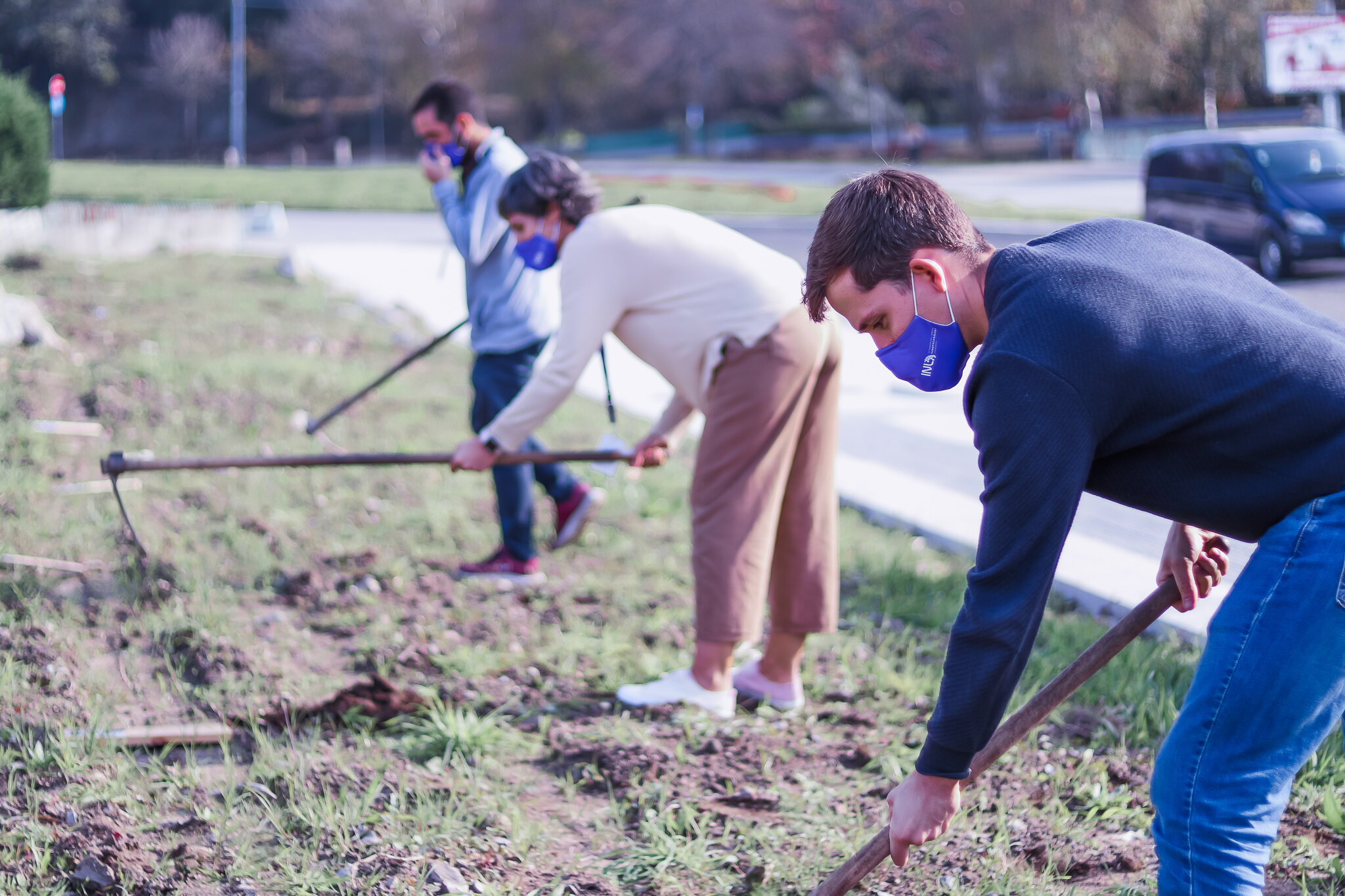
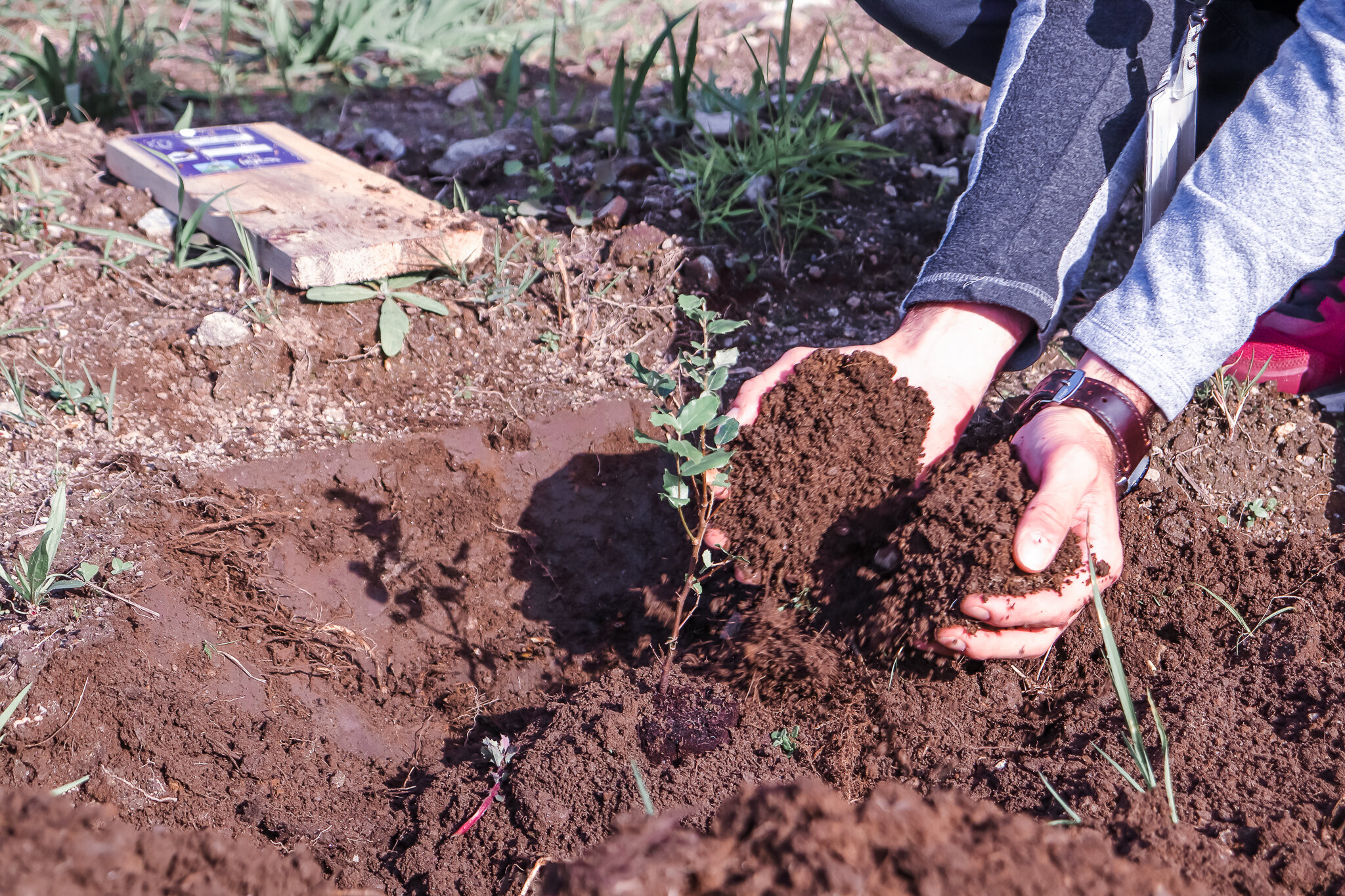
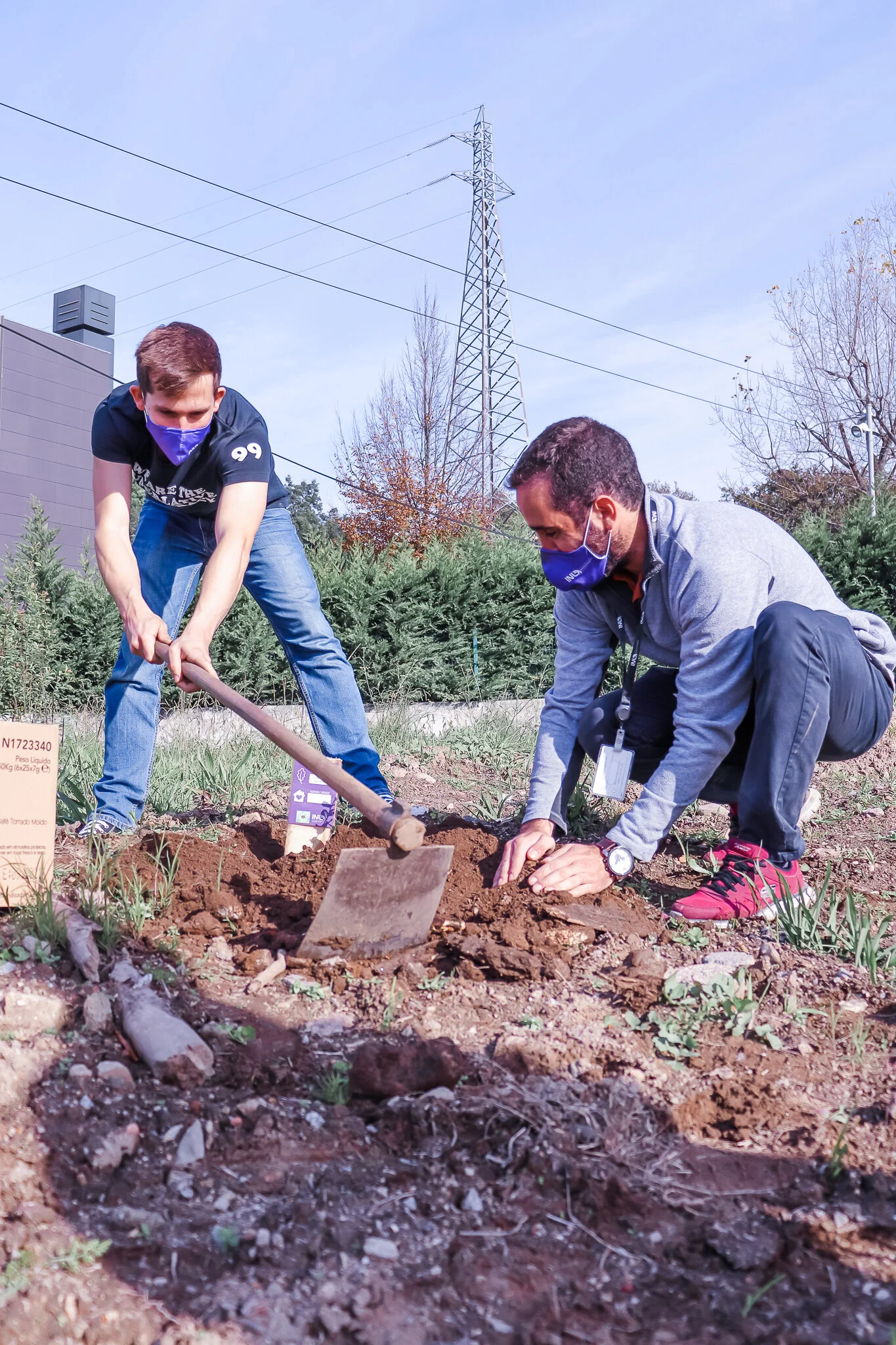
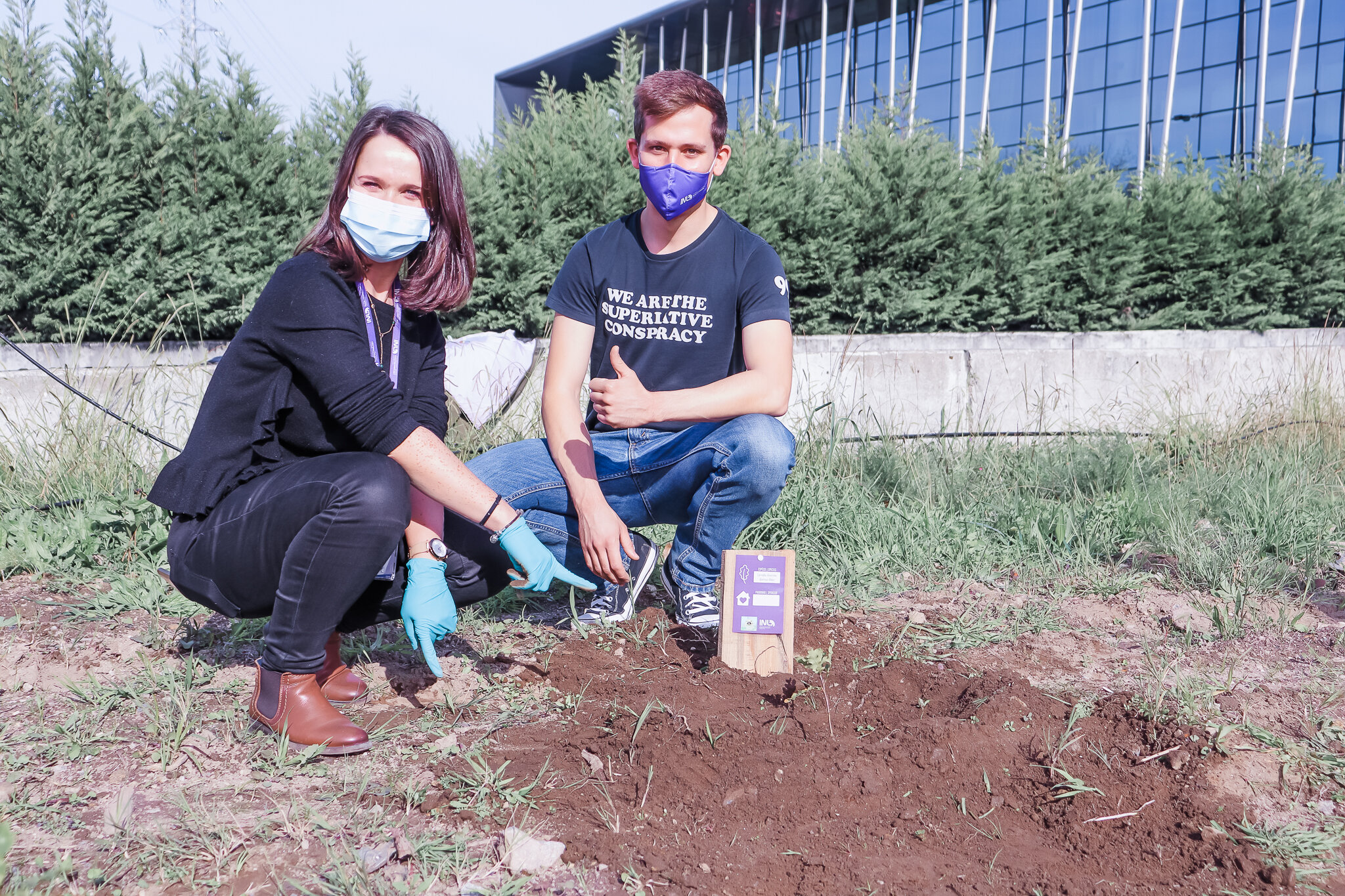
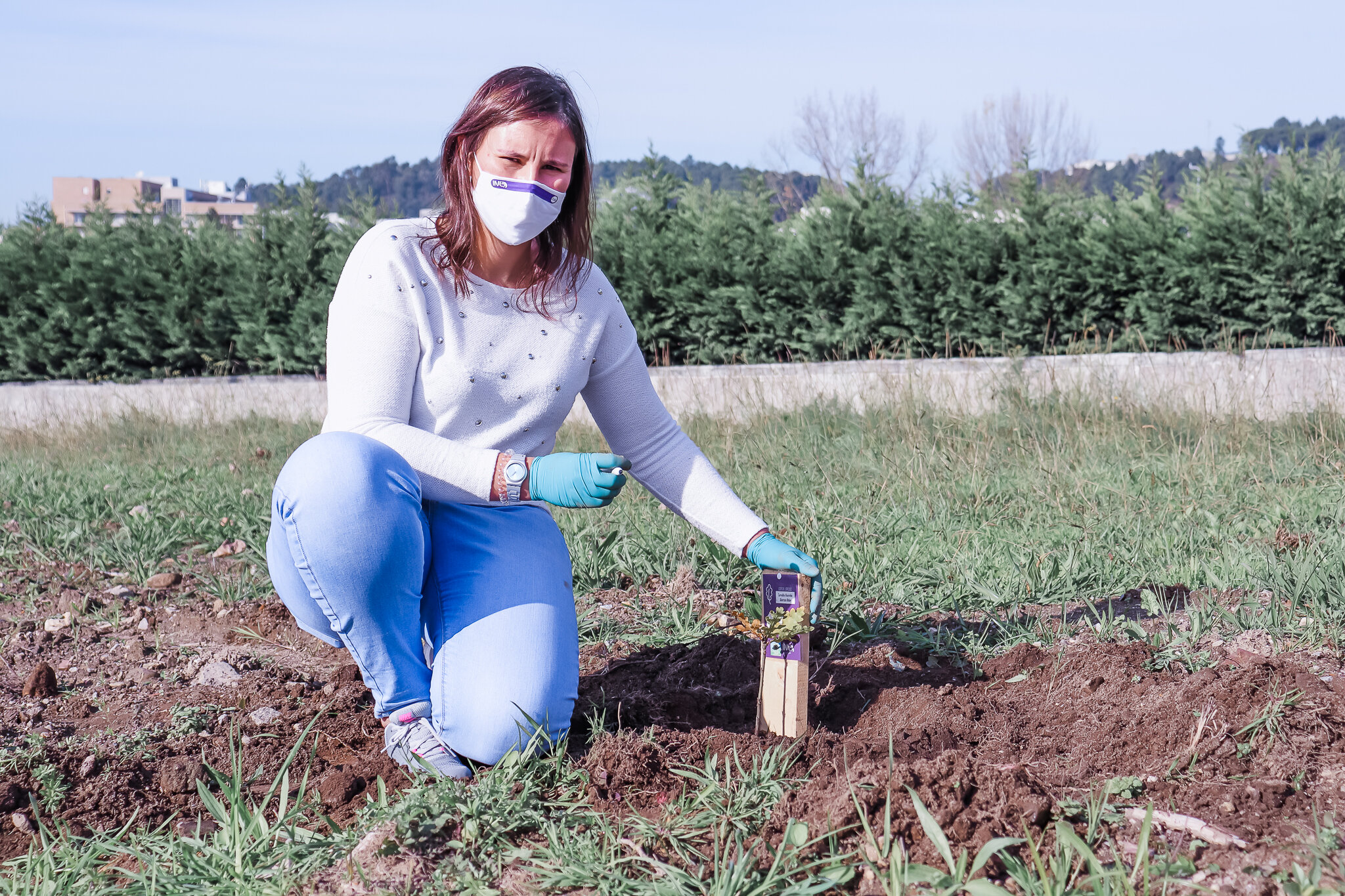
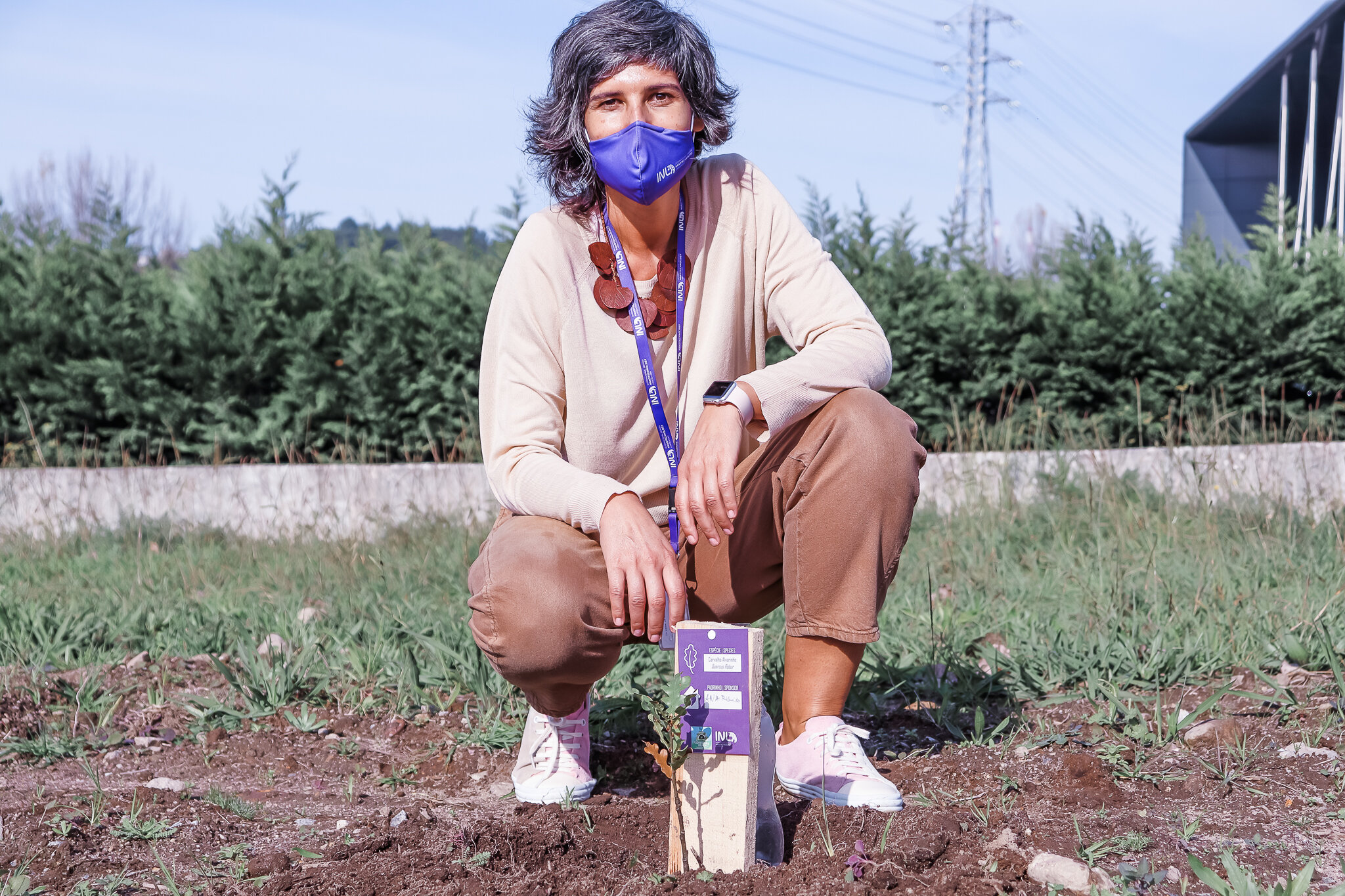
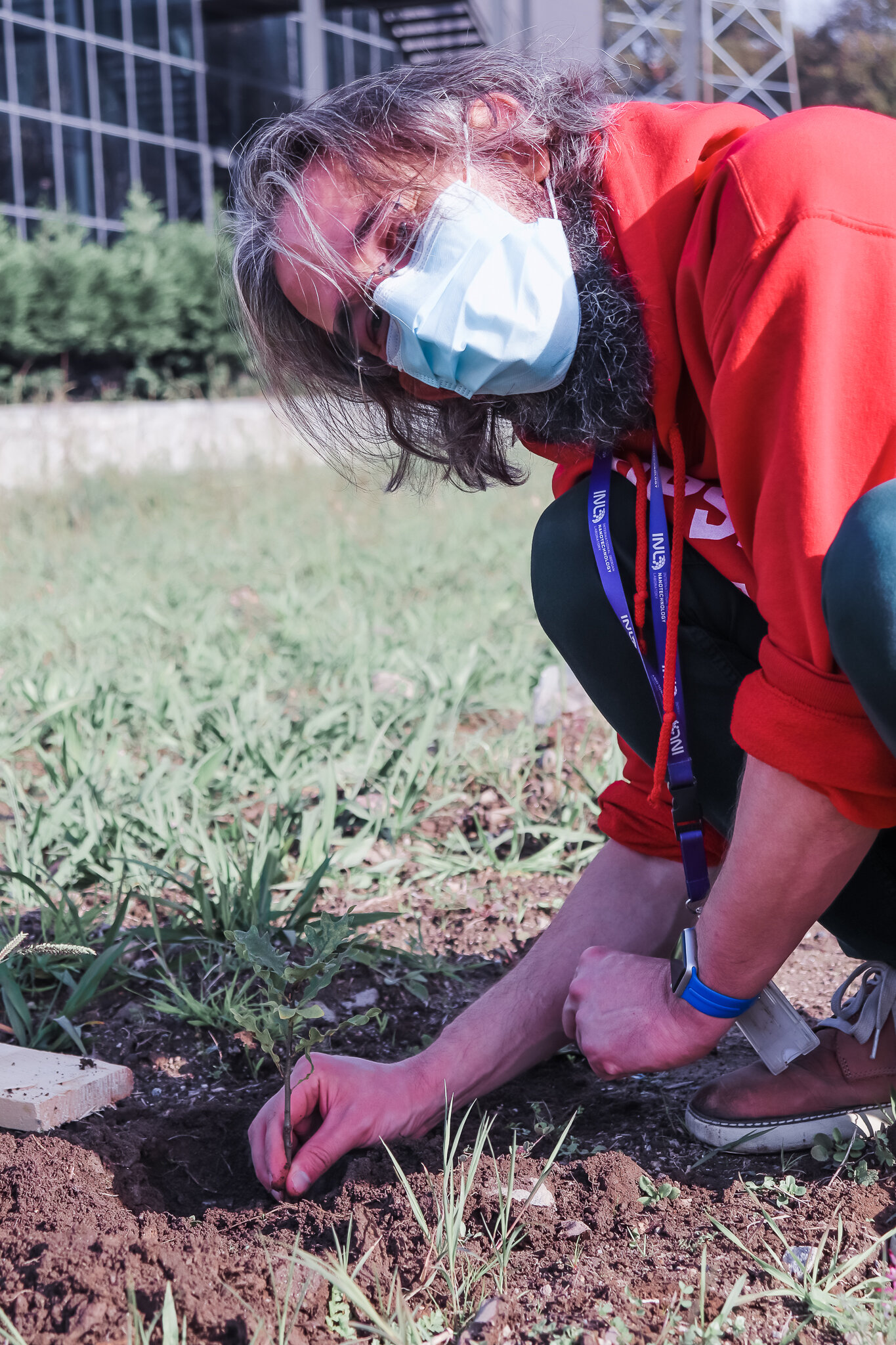
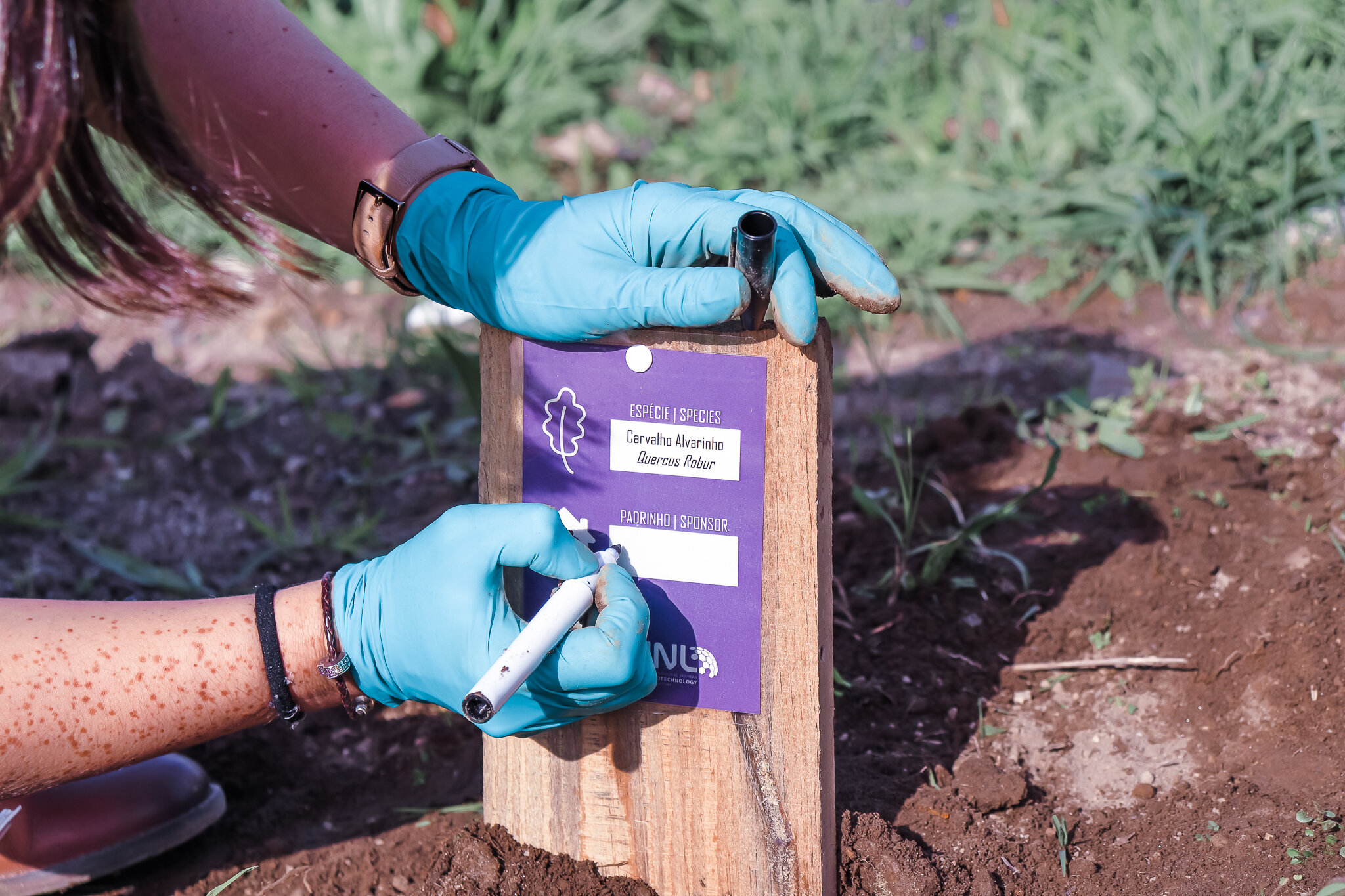
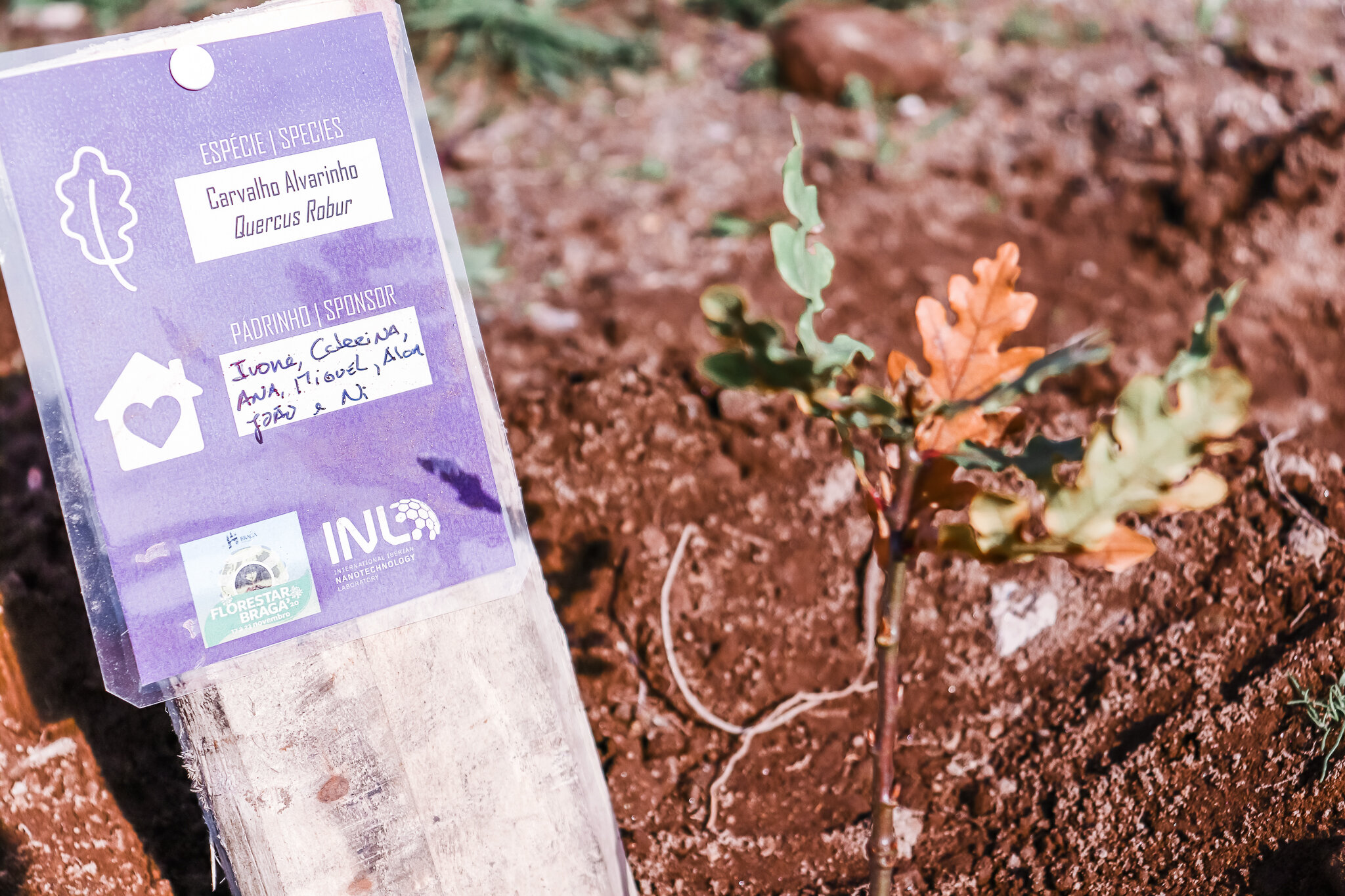
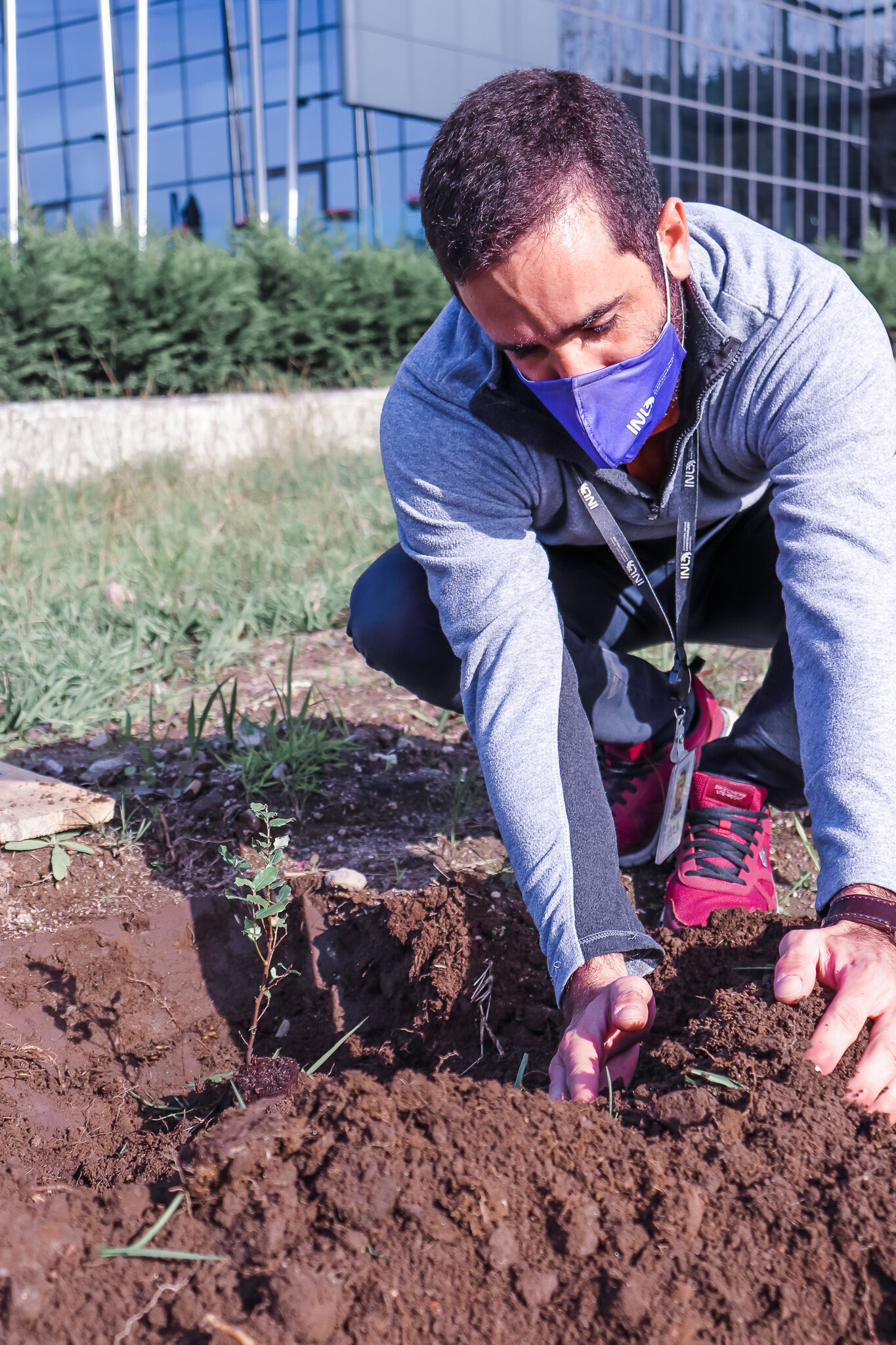
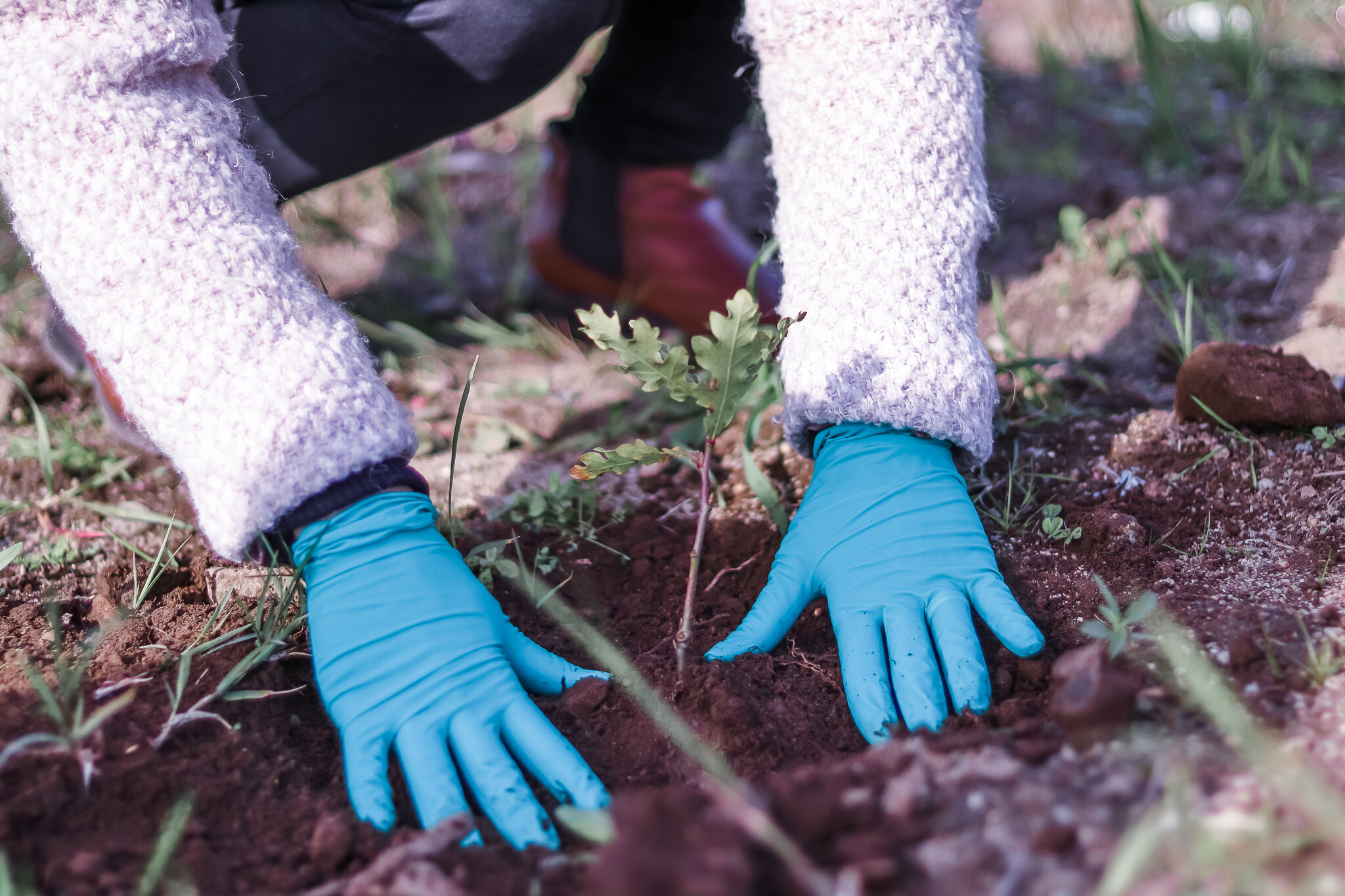
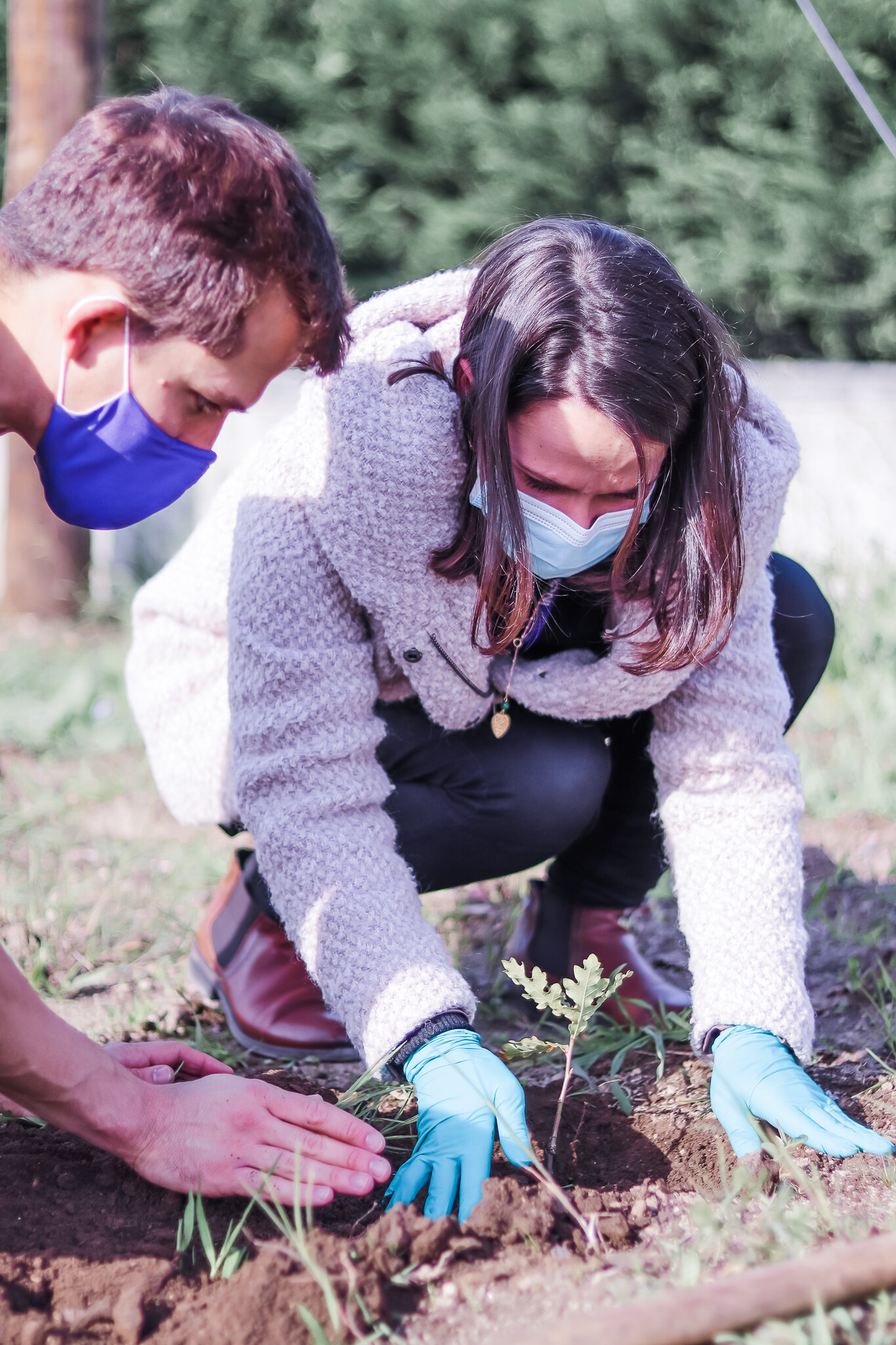
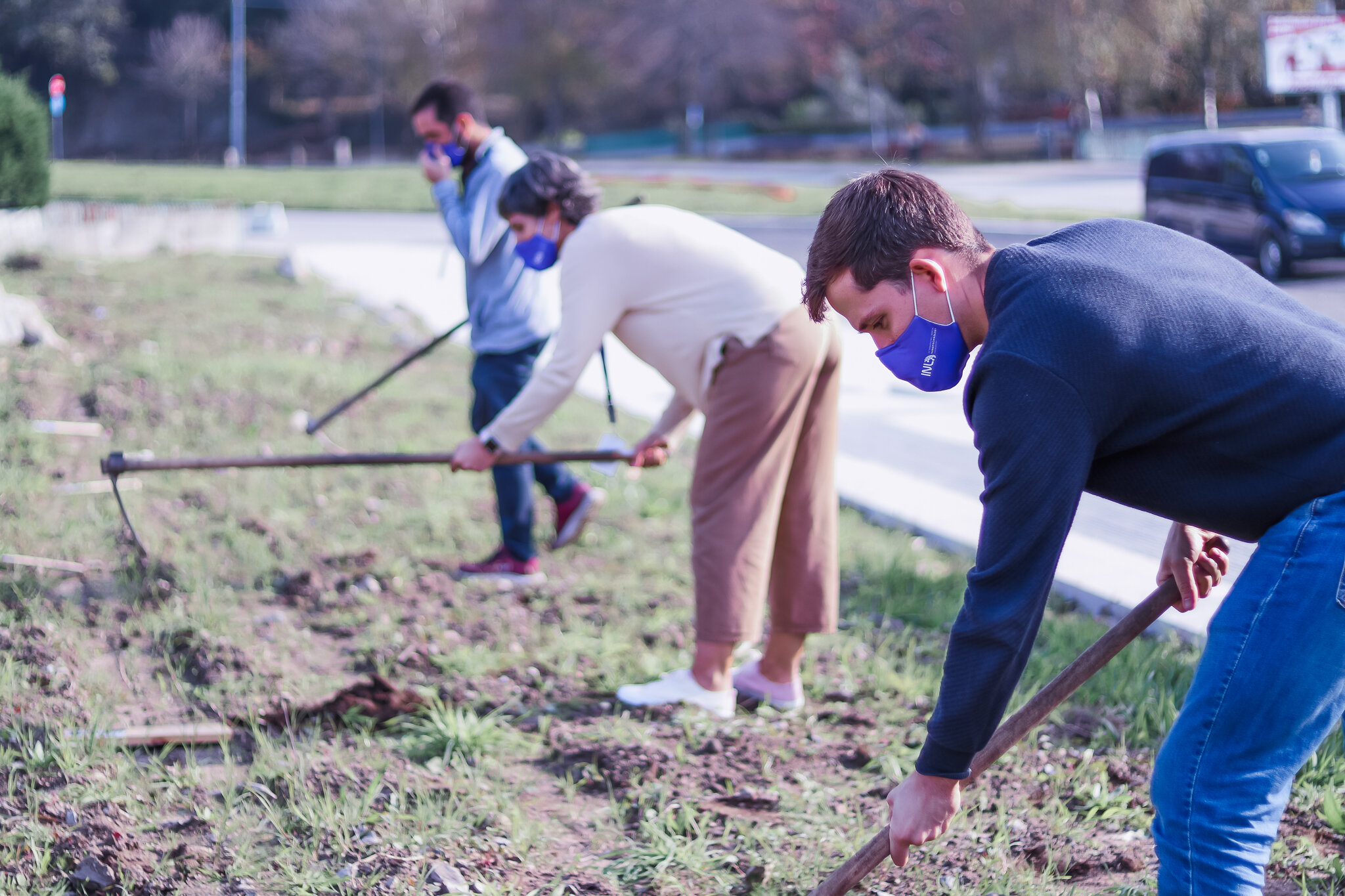
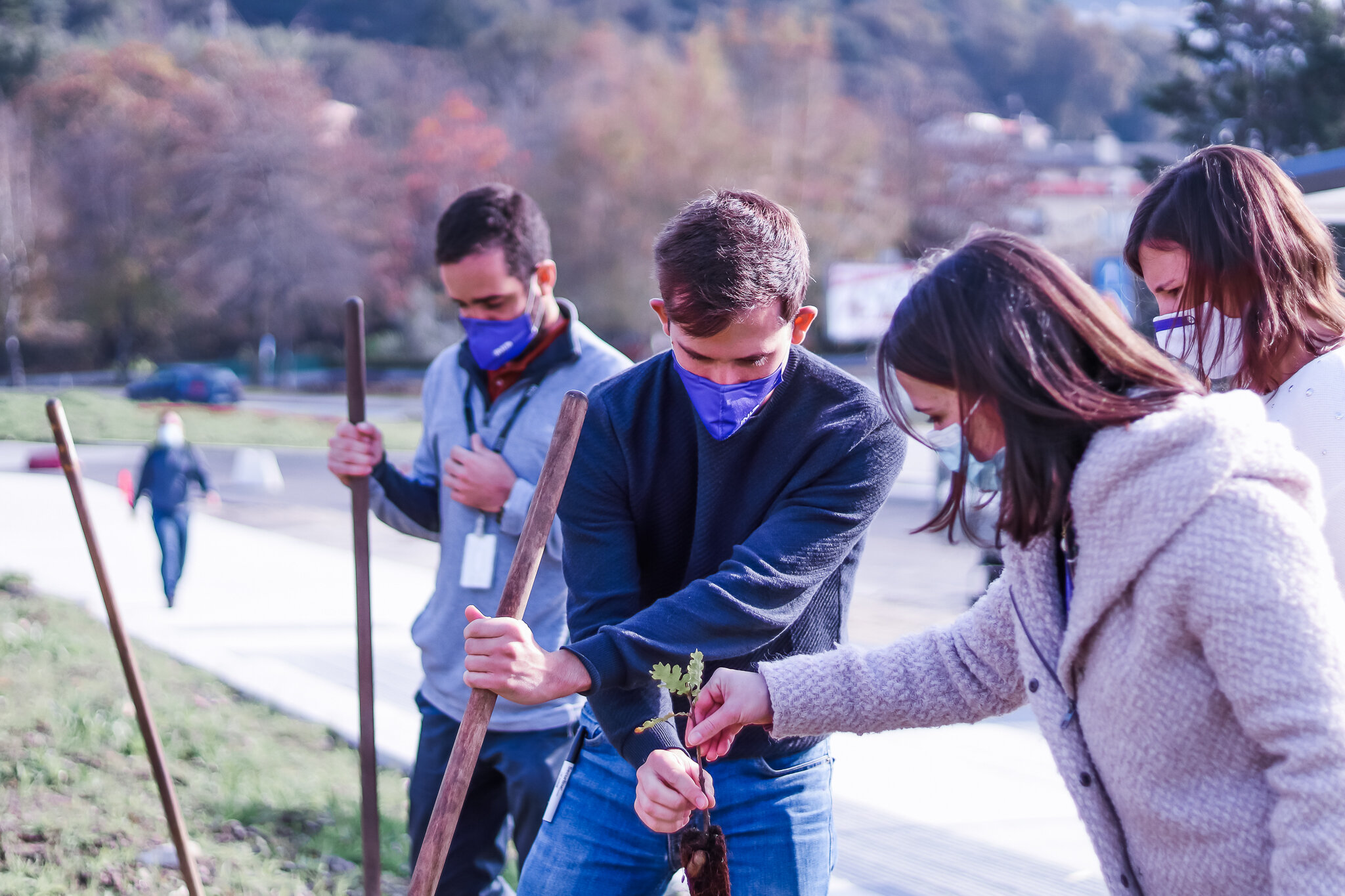
A group of volunteers from the INL – International Iberian Nanotechnology Laboratory joined the initiative “Florestar Braga” (Forest Braga), the Portuguese city where INL is headquartered, and helped to plant ten Alvarinho Oaks (Quercus robur) and two Mistletoes (Ilex aquifolium), which were quite in tune with the approaching season.
This initiative was supported by Munícipio de Braga and the twelve baby trees are now planted and located in a field right in front of INL, at the Avenida dos Lusíadas, in Braga.
Catarina Moura, a research fellow at INL Medical Devices Group led INL’s contribution to the local community on behalf of our intergovernmental organization.
“I am so happy that INL joined Braga City Council in this initiative and that we had the amazing opportunity to plant indigenous trees close to our institute today. It is very important to raise awareness about the sustainable conservation of indigenous forests, and each of us can have a very positive impact on our Planet by just planting a single tree. I hope this action inspires others to do the same and watch their trees grow over the years”, said Catarina Moura after the trees plantation on the 23rd of November, the Day of the Autochthonous Forest.
This day was established to promote the dissemination of the importance of the conservation of natural forests, presenting itself simultaneously as a day more adapted to the climatic conditions of Portugal and Spain for sowing or planting trees, an alternative to World Forest Day, happening each year on March 21, which was initially created for the countries of Northern Europe.
Each tree has now the name of the INL members who wanted to leave another positive mark in the society other than the ones they already do through science.
ERC Info Session with high participation
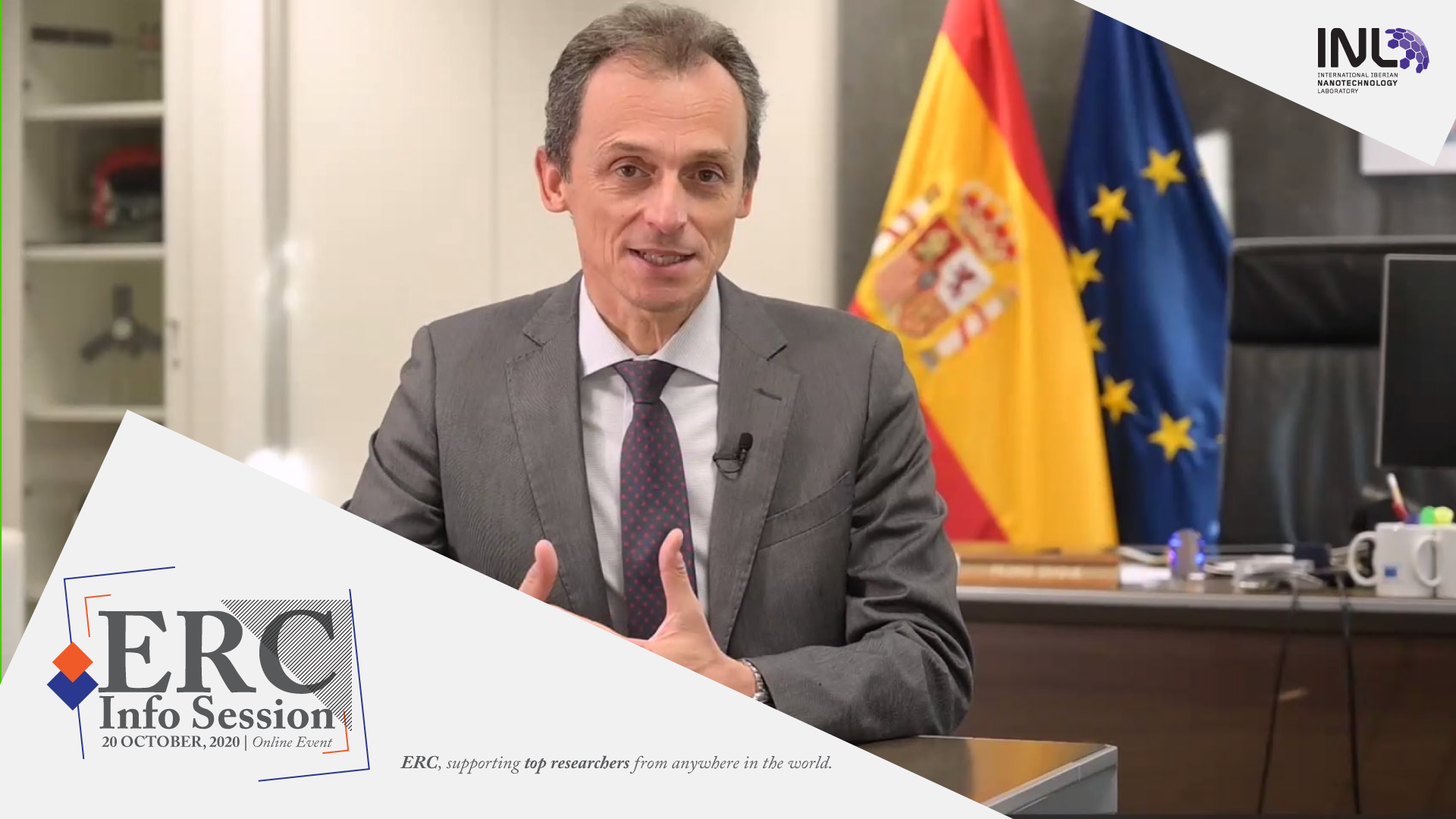
The information session hosted by INL about the European Research Council (ERC) Grants, last 20th of November 2020, had over 500 registration and was the most participated digital event organized by INL to date.
The conference was opened by the Spanish Minister of Science, Pedro Duque, and by Lars Montelius, Director-General of INL, who highlighted the relevance of the ERC support for the advancement of science in Europe.
The ERC National Contact Points in Spain and Portugal, as well as to ERC Grantees of both countries, informed prospect candidates about what is takes to increase the chances of success in one of the most competitive funding schemes available for scientific research.
Lars Montelius took the opportunity to showcase INL strengths as a host institution for ERC Grants awardees and expressed INL will and availability to be the right enabler for future opportunities.
Three INL Women Researchers get FCT support for Scientific Employment
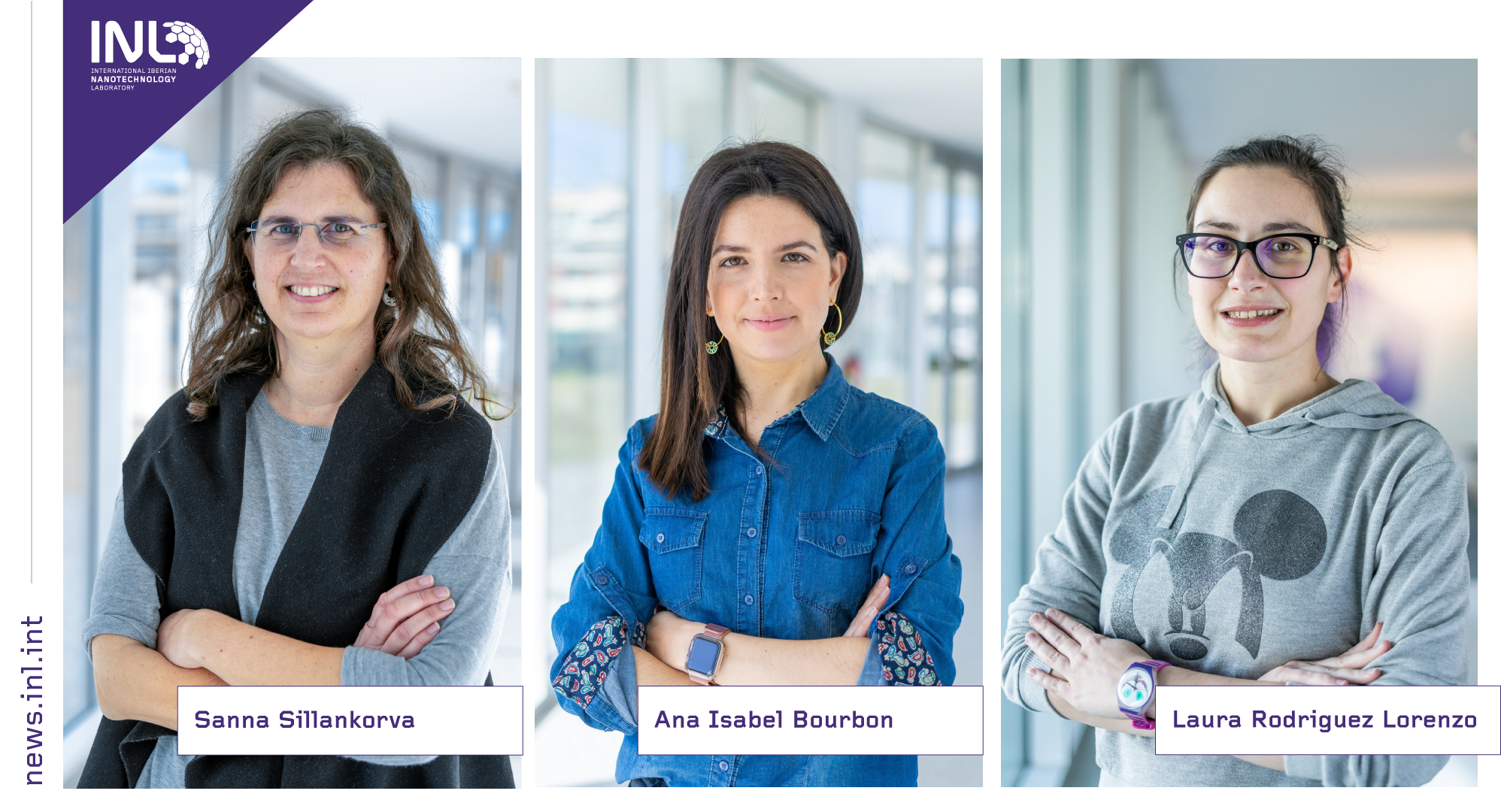
Three women scientists working at INL have been awarded a contract in the 2020 Individual Scientific Employment Stimulus Competition (CEEC), which is the third edition of this call promoted by the Fundação para a Ciência e a Tecnologia (FCT) for doctoral researchers in all scientific areas.
Sanna Sillankorva won the category of Principal Researcher with the “Development of a novel biopolymeric antibacterial delivery system for the treatment of chronic wounds using phage therapy coupled with mechanical biofilm destruction and thermal wound healing augmentation” project.
In her own words: “I was thrilled to receive the news that the FCT Scientific employment application as Principal Investigator was proposed for funding at INL. It is an excellent opportunity to pursue research in an area I am passionate about, proposing clinical solutions for antibiotic-resistant bacterial infections, using INL’s state-of-art equipment and facilities that will be so important for accomplishing the anticipated tasks”.
Laura Rodriguez Lorenzo was granted the category of Assistant Researcher working in the Universal Platform for on-field Surface-enhanced Raman Scattering Monitoring of Biotoxins and Emerging Organic Pollutants in Marine Environment (UP4SERSMarine). Laura is “happy to get CEEC Individual funding” mainly because of the overall success rate, which reinforces that her scientific career has moved in a good direction. Thanks to the CEEC IND Call, she will encompass activities that will enable early and efficient detection of the marine pollutants, applying her acquired knowledge on surface-enhance Raman scattering and nanomaterial design. In these terms, she will be able to gain strategic knowledge in this area and establish herself as a reference in the field of marine pollutant detection employing advanced nano-enabled technologies.
And in the category of the Junior Researcher, we have Ana Isabel Bourbon working in the “Healthy-gut: Effect of functional diet on intestinal microbiota health” project.
Being awarded Scientific Employment Stimulus by FCT “is a great honour. This scholarship will allow me to work on a challenging project (Healthy-gut: Effect of functional diet on intestinal microbiota health) that will promote the use of nanotechnology-based products to improve the quality and safety of food. Furthermore, it is great to be able to continue working with one of the best teams worldwide and contribute to enhancing INL’s position as a reference research centre in food-based nanotechnology” says Ana Isabel Bourbon.
The results announced by FCT indicate that 3,648 applications were evaluated by 25 international panels, of which 1,675 obtained a minimum grade to be eligible for financing. The 300 applications selected for contract correspond to 18% of the eligible applications, having women a representation of 58% among the selected candidates.
Miguel Cerqueira among the most cited researchers for the third year in a row
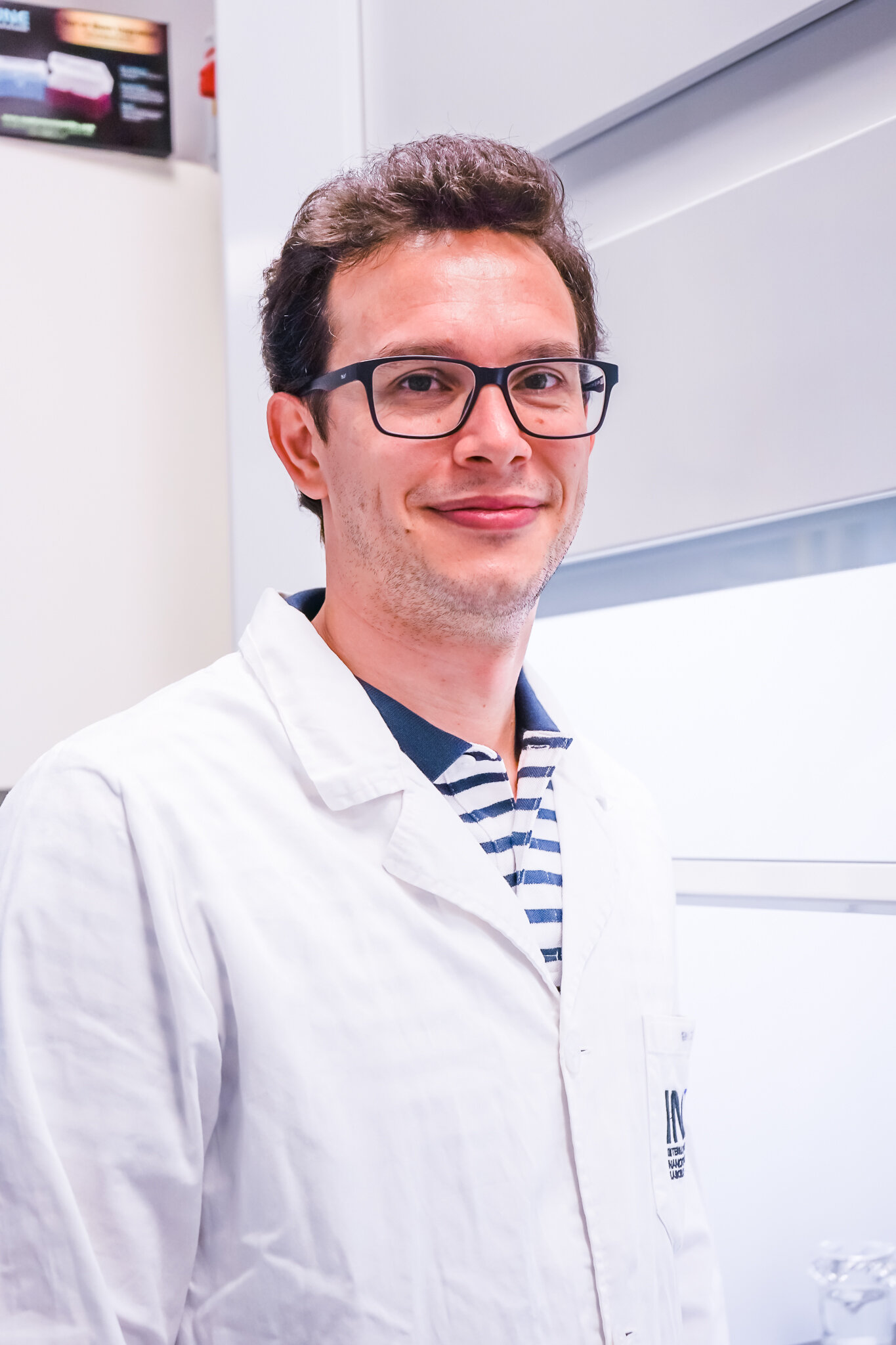
miguel Cerqueira
“Highly Cited Researcher” for the third consecutive year, in the field of Agricultural Sciences.
The INL – International Iberian Nanotechnology Laboratory staff researcher, Miguel Cerqueira, from the Food Processing Group, has been ranked as a “Highly Cited Researcher” for the third consecutive year, in the field of Agricultural Sciences.
This 2020 classification recognizes the world’s main researchers of the past decade, demonstrated by the production of multiple highly cited scientific papers that rank in the top 1% in each field in the Web of Science.
“I’m thrilled for being included again in this list where we can find some of the most influential scientists in the world. I hope to continue this path, joining food science, technology, and nanotechnology, showing that the work that we do at INL can make a difference” says Miguel Cerqueira.
He has been focusing his research on the development of nanosized bio-based structures for food applications such as edible and biodegradable films and coatings for packaging, encapsulation of functional compounds using emergent encapsulation technologies, and the structuring of gels, such as emulgels and oleogels.
INL researchers awarded with highly competitive FCT 2020 PhD Grants
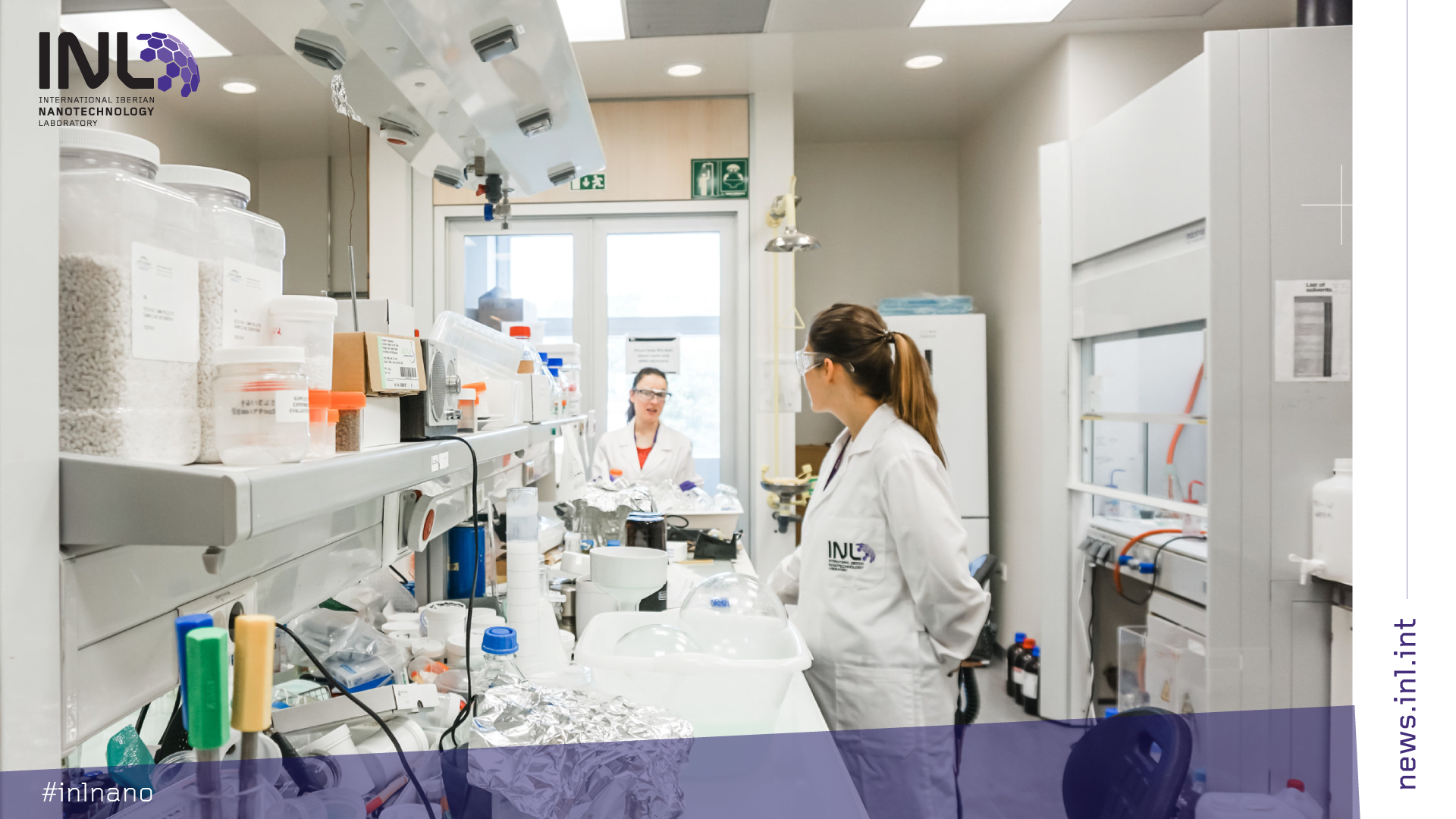
A total of 11 researchers from INL were selected for the FCT 2020 PhD Grants that accepted almost 3800 applications, from which 1350 had a successful outcome, meaning an approval rate of 41,6%.
The grants from the Portuguese Foundation for Science and Technology (FCT) were attributed to INL PhD students Marina Alves , Pedro Centeno, António Oliveira, André Violas, Miguel Castillo, Cláudia Lopes, Filipa Peres, Michael Oliveira, Bruno Murta, Telma Domingues, and Cátia Rocha.
FCT PhD Programmes are expected to bring together higher education institutions (HEI), research institutions and industry (when relevant), aiming to promote world-class graduate education and research-based training, foster collaborations and sharing of resources between the different research institutions, to bolster the international quality and status of these institutions and equip students with the necessary transferable skills to become excellent scientists as well as active members of the communities they may find themselves in.
The 11 researchers, currently based at INL, will develop the work within their doctoral thesis in collaboration with Portuguese and Spanish universities such as the ones of Aveiro, Minho, or Santiago de Compostela.
INL virtual tour during the European Researchers’ Night 2020 event
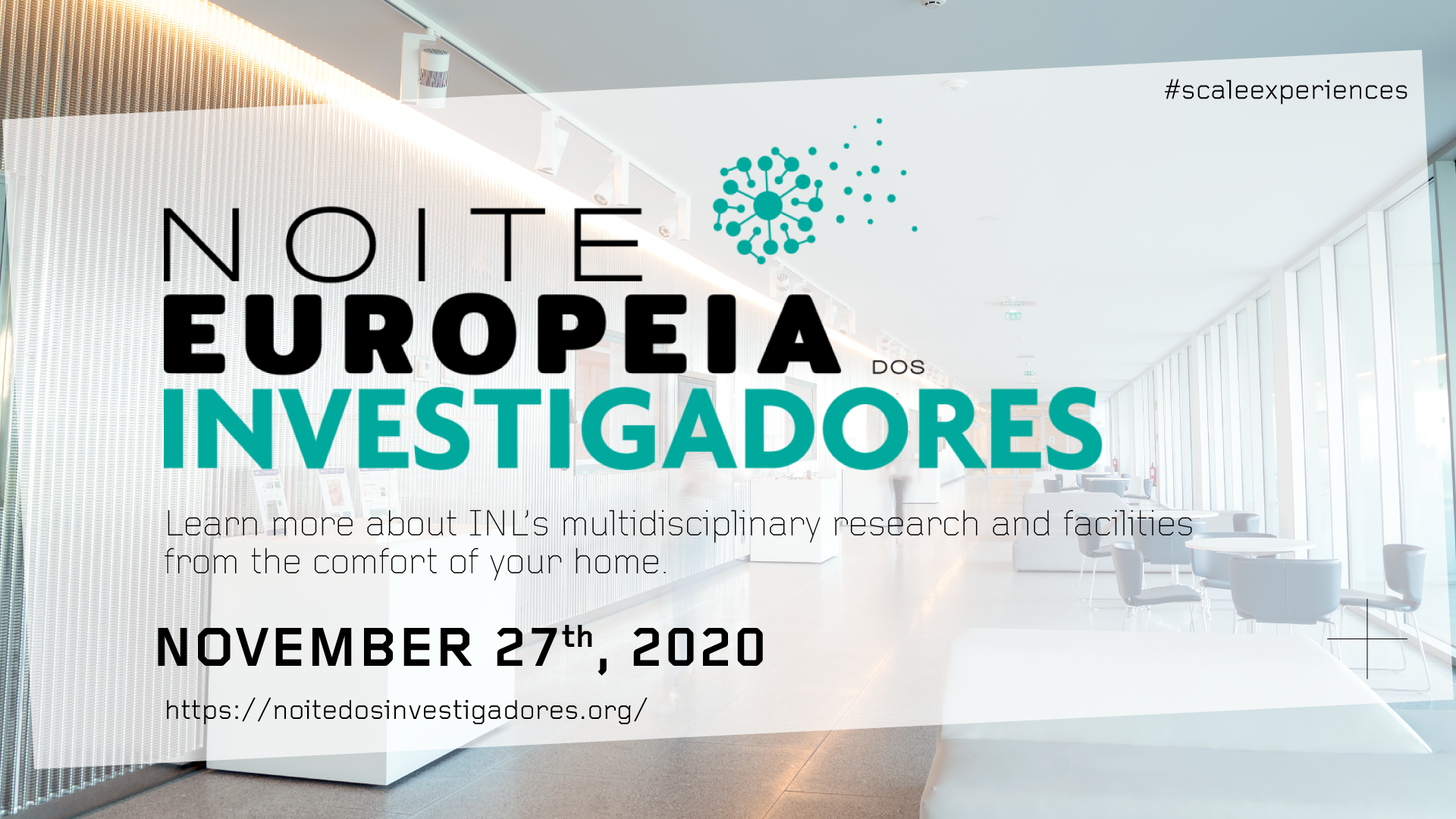
INL is, once again, part of the European Researchers Night 2020, this year dedicated to the theme “SCINAT – Science & Nature”. This year’s ‘Science & Nature’ motto, comes under the International Year of Plant Health and aims to involve the public with research activities and scientific knowledge that are underway to help to answer societal concerns about how to face global changes by preserving natural and cultural heritage, ecosystems and resources and to improve quality of life for the next decades.
On November 27, 2020, you will be able to experience more than 200 simultaneous online activities and you are still able to enjoy a few live activities that will happen at Galeria do Paço (Largo do Paço) between 3 pm and 10 pm and are being coordinated by the School of Sciences of the University of Minho.
While public visits of the INL are not possible, you will have the chance to learn about the multidisciplinary research and the INL facilities from the comfort of your home. Visiting INL campus is the best way to get to know what’s behind amazing scientific discoveries. Not only about our history and culture, but also about the INL community.
This is a free event and we look forward to inspiring you on November 27, 2020.
+ More information will be available soon at Noite dos Investigadores website and on the Youtube page.
National Mourning Day in Portugal – 12th of November
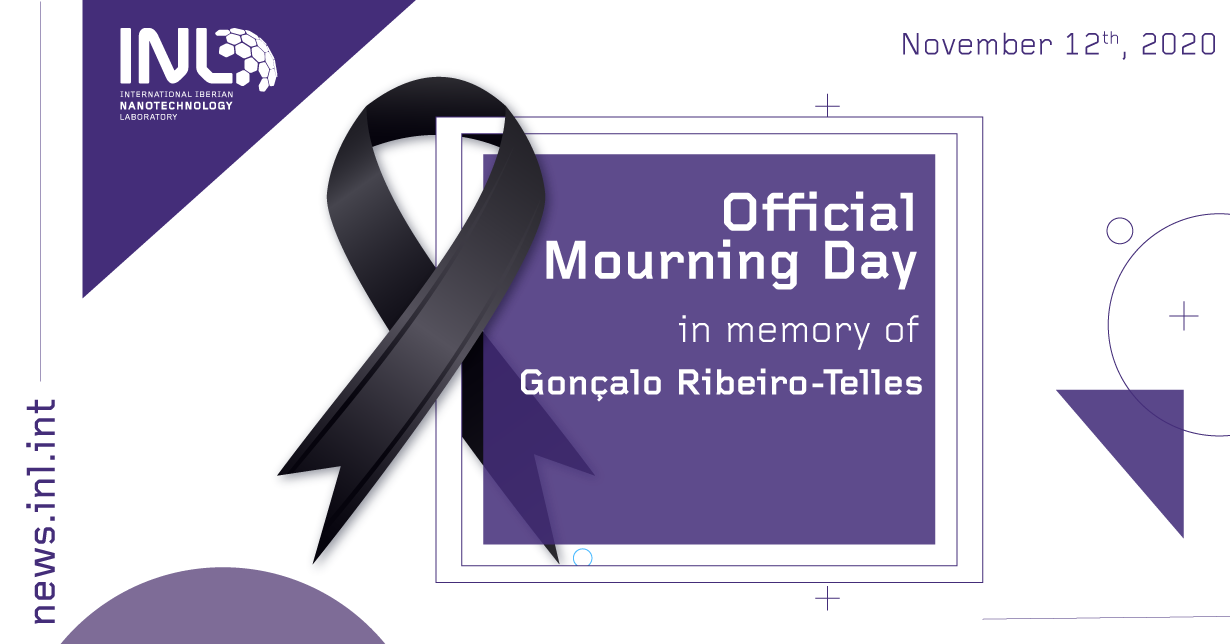
INL associates to the National Mourning Day decreed by the Government of Portugal – one of INL Member-States – in memory of Gonçalo Ribeiro-Telles, a prominent Portuguese landscape architect, politician, and humanist, who was a pioneer in the respect for the environment when designing territorial organization plans.
Ribeiro-Telles had the rare quality of generating consensus around his ideas about ecology, as the means to promote the best possible interaction between the people and the territory, long before the need to protect the Planet was a commonly accepted truth.
For representing values and principles shared by INL, we pay tribute to his legacy, now that he left us after a long and meaningful life of service to others.
Gonçalo Ribeiro-Telles passed away on the 11th of November, at the age of 98 years old.
ASCENTPlus promotes better access to Nanoelectronics infrastructures
A total of 15 partners from all over Europe, being INL among them, are joining efforts to Integrate major European Nanoelectronics Infrastructures by enabling users from across the world to address emerging research challenges and accelerate innovation path-finding in this field.
The next-generation electronics will demand even more scientific and technological paradigm shifts.
Both strong trends and weak signals in More Moore, More-than-Moore, Beyond CMOS, Quantum Technologies, among others, require new concepts to be invented, new materials and their fundamental properties to be understood, and new fundamental principles to be explored.
The ASCENTPlus Project will foster a culture of co-operation between research infrastructures, scientific communities, industries, and other stakeholders as appropriate, to help develop a more efficient and attractive European Research Area. It will also support scientific communities in their access to the identified key research infrastructures, and improve, in quality and/or quantity, the integrated services provided at the European level by the infrastructures involved.
The ASCENT Starting Community has over 400 members in 42 countries. The ambition is to quintuple the ASCENT+ Advanced Community membership through the extended network of over 3,700 academic and industry organizations of the ASCENT+ Community Network partners. Together with further integration of major European Access Providers into a seamless infrastructure, this will update the ASCENT+ vision to become a world-leading Research Infrastructure with a global impact in the Nanoelectronics Innovation Ecosystem.
Celebrating the World Science Day while dealing with the global pandemic
Celebrated every 10 November, World Science Day for Peace and Development highlights the significant role of science in society and the need to engage the wider public in debates on emerging scientific issues. It also underlines the importance and relevance of science in our daily lives.
By linking science more closely with society, World Science Day for Peace and Development aims to ensure that citizens are kept informed of developments in science. It also underscores the role scientists play in broadening our understanding of the remarkable, fragile planet we call home and in making our societies more sustainable.
This year, at a time when the world is struggling with the global COVID-19 pandemic, the focus of World Science Day is on “Science for and with Society in dealing with the global pandemic.” And today, to celebrate the 2020 World Science Day, we will show you some of the projects that are being developed at INL – International Iberian Nanotechnology Laboratory and that is fully dedicated to fight the COVID-19 pandemic.
LAMP-Light in the diagnosis of COVID-19
The SARS‐CoV‐2 virus is rapidly spreading. The standard to detect it is RT‐qPCR, but the method is lengthy and needs expensive equipment. In this project, we will develop a SARS‐CoV‐2 detection methodology based on RT‐LAMP. The technique has a fast turnaround time, does not need specialized equipment, and detection can be performed by the naked‐eye. Thus the proposed method has great potential to enhance diagnostics throughput, reduce the time of analysis, and improve implementation of appropriate measures.
Boosting Innovation for COVID-19 Diagnostic, Prevention, and Surveillance | INNO4COV-19
The INNO4COV19 (Boosting Innovation for COVID-19 Diagnostic, Prevention, and Surveillance) project led by INL was chosen to develop and build an Innovation Hub with the latest technologies: an innovative open-access platform to offer companies and reference laboratories the capabilities, expertise, networks, and services required for the assessment, development, prototyping, testing, scaling-up, pilot production and market exploitation of innovative technologies to tackle COVID-19 pandemic.
Our approach will include leading applied research and innovation centers in Europe, together with entities specialized in building OITBs, and reference clinical sites.
Antiviral edible coating for fresh food | COVICOAT
COVICOAT will impact food safety, consumer trust, and the environment. The antiviral coating proposed will provide an extra layer of safety for raw products such as fruits and vegetables that will contribute to enhancing the EFSA hygiene guidelines regarding COVID-19. Due to other recent food-borne outbreaks, consumers are sensitive to the consumption of fresh food. Consumers need additional guarantees of food safety now more than ever: origin, traceability, and certifications will need to be highlighted. That will affect countries such as Spain and Portugal where COVID-19 incidence was high, that are traditional exporters of fresh vegetables to the north of Europe. The commercialization of coated fruits and vegetables with an anti-COVID solution will bring trust, having a positive impact on the exports of these countries. Regarding EIT Food objectives COVICOAT will contribute to overcome low consumer trust and to create consumer valued food for healthier nutrition.
It is imperative now than ever to strengthen and build international and national scientific cooperation between organizations, researchers, policy-makers, industries, and health professionals for an interdisciplinary approach to tackling COVID-19.
No one can say how or when the pandemic will end, all we know is that we learn more every day about this virus and that we, as a frontline laboratory, have a responsibility to stay on top of emerging research that can help flatten the curve and ultimately stop the spread of COVID-19. Happy World Science Day!
Next Page » « Previous Page -->Celebrated every 10 November, World Science Day for Peace and Development highlights the significant role of science in society and the need to engage the wider public in debates on emerging scientific issues. It also underlines the importance and relevance of science in our daily lives.
By linking science more closely with society, World Science Day for Peace and Development aims to ensure that citizens are kept informed of developments in science. It also underscores the role scientists play in broadening our understanding of the remarkable, fragile planet we call home and in making our societies more sustainable.
This year, at a time when the world is struggling with the global COVID-19 pandemic, the focus of World Science Day is on “Science for and with Society in dealing with the global pandemic.” And today, to celebrate the 2020 World Science Day, we will show you some of the projects that are being developed at INL – International Iberian Nanotechnology Laboratory and that is fully dedicated to fight the COVID-19 pandemic.
LAMP-Light in the diagnosis of COVID-19
The SARS‐CoV‐2 virus is rapidly spreading. The standard to detect it is RT‐qPCR, but the method is lengthy and needs expensive equipment. In this project, we will develop a SARS‐CoV‐2 detection methodology based on RT‐LAMP. The technique has a fast turnaround time, does not need specialized equipment, and detection can be performed by the naked‐eye. Thus the proposed method has great potential to enhance diagnostics throughput, reduce the time of analysis, and improve implementation of appropriate measures.
Boosting Innovation for COVID-19 Diagnostic, Prevention, and Surveillance | INNO4COV-19
The INNO4COV19 (Boosting Innovation for COVID-19 Diagnostic, Prevention, and Surveillance) project led by INL was chosen to develop and build an Innovation Hub with the latest technologies: an innovative open-access platform to offer companies and reference laboratories the capabilities, expertise, networks, and services required for the assessment, development, prototyping, testing, scaling-up, pilot production and market exploitation of innovative technologies to tackle COVID-19 pandemic.
Our approach will include leading applied research and innovation centers in Europe, together with entities specialized in building OITBs, and reference clinical sites.
Antiviral edible coating for fresh food | COVICOAT
COVICOAT will impact food safety, consumer trust, and the environment. The antiviral coating proposed will provide an extra layer of safety for raw products such as fruits and vegetables that will contribute to enhancing the EFSA hygiene guidelines regarding COVID-19. Due to other recent food-borne outbreaks, consumers are sensitive to the consumption of fresh food. Consumers need additional guarantees of food safety now more than ever: origin, traceability, and certifications will need to be highlighted. That will affect countries such as Spain and Portugal where COVID-19 incidence was high, that are traditional exporters of fresh vegetables to the north of Europe. The commercialization of coated fruits and vegetables with an anti-COVID solution will bring trust, having a positive impact on the exports of these countries. Regarding EIT Food objectives COVICOAT will contribute to overcome low consumer trust and to create consumer valued food for healthier nutrition.
It is imperative now than ever to strengthen and build international and national scientific cooperation between organizations, researchers, policy-makers, industries, and health professionals for an interdisciplinary approach to tackling COVID-19.
No one can say how or when the pandemic will end, all we know is that we learn more every day about this virus and that we, as a frontline laboratory, have a responsibility to stay on top of emerging research that can help flatten the curve and ultimately stop the spread of COVID-19. Happy World Science Day!