Eco-friendly cotton that repels water and separates oil
March 2, 2026
Cotton is well-known for its breathability, comfort, and versatility. However, its natural tendency to absorb water (a property known as hydrophilicity), limits its use in specialised applications such as easy-cleaning surfaces or oil–water separation. Traditional methods to make textiles superhydrophobic (i.e., water-repellent) often rely on fluorinated compounds, which, although effective, are harmful to the environment.
INL researchers Diana Alves, João Rodrigues, and Juliana Sousa have developed a simple, scalable, and fluorine-free method to give cotton new properties. By combining hydrophobic nanoparticles with hexadecyltrimethoxysilane (HDMTS), a chemical that lowers surface energy to make fabrics water-repellent, the researchers created cotton that resists water and stains while still allowing oil to pass through. This selective behaviour enables the material to efficiently separate oil from water. Their approach also introduces textures at the micro- and nanoscale on the cotton surface, helping liquids slide off easily while keeping the fabric breathable and durable.
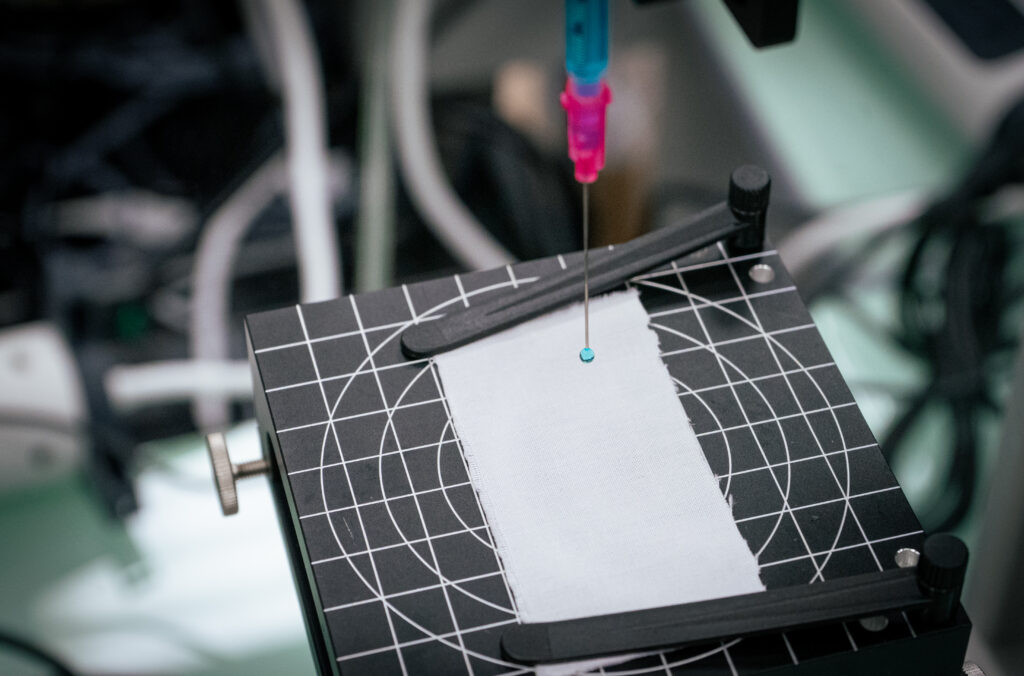
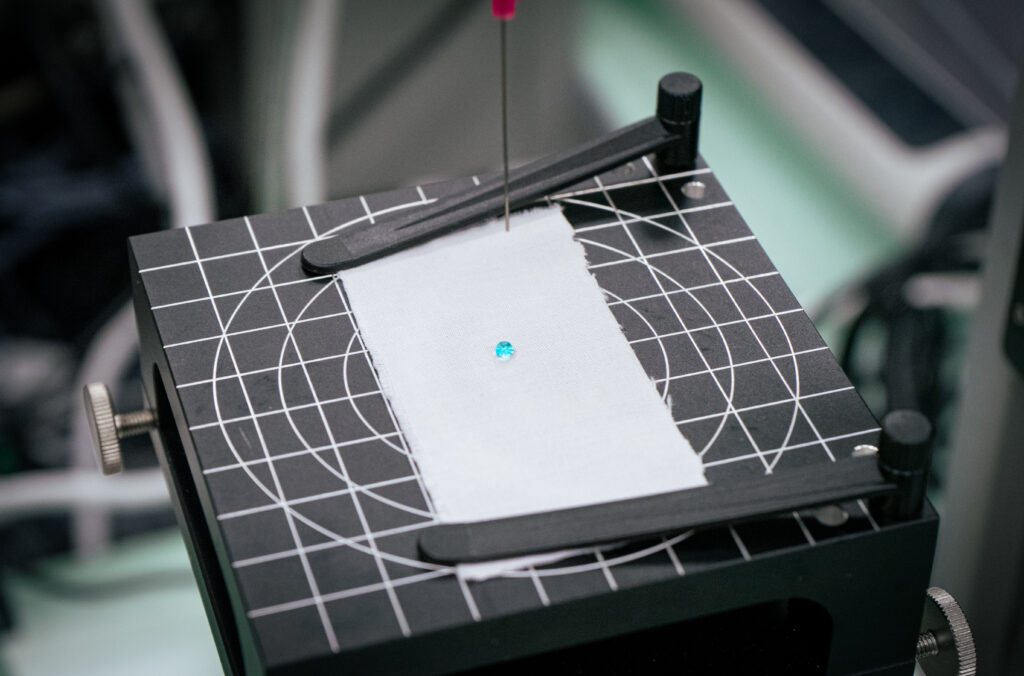
The research team tested the new material under harsh mechanical and chemical conditions. The modified cotton maintained its water-repellent performance and resisted stains from red wine, coffee, milk, orange juice, and tea, without compromising its natural breathability.
This straightforward approach makes the method well-suited for large-scale production and environmentally conscious textile applications. Published in Applied Surface Science and funded by Agenda Green Auto, this work demonstrates a durable, fluorine-free pathway for water-repellent and easy-cleaning textiles, combining simplicity, performance, and sustainability.
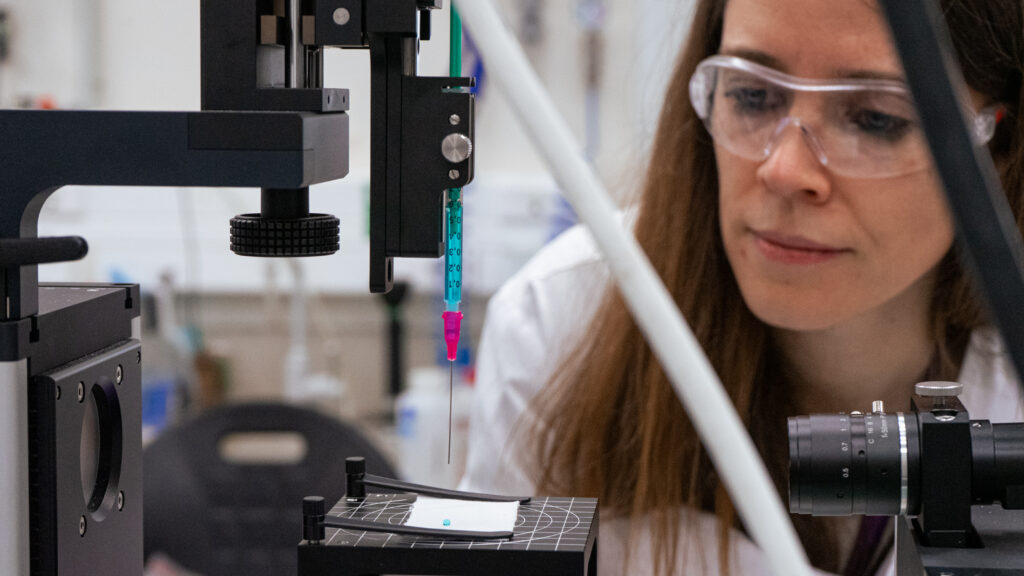
See how we are sharing this breakthrough on LinkedIn, Facebook, Instagram & Bluesky!
Spotlight and Photography by Catarina Moura
Videography by Rui Andrade
Social Media Campaign by Clara Miranda