News

Nanostars push SERS sensing to new performance levels

Nanostars push SERS sensing to new performance levels

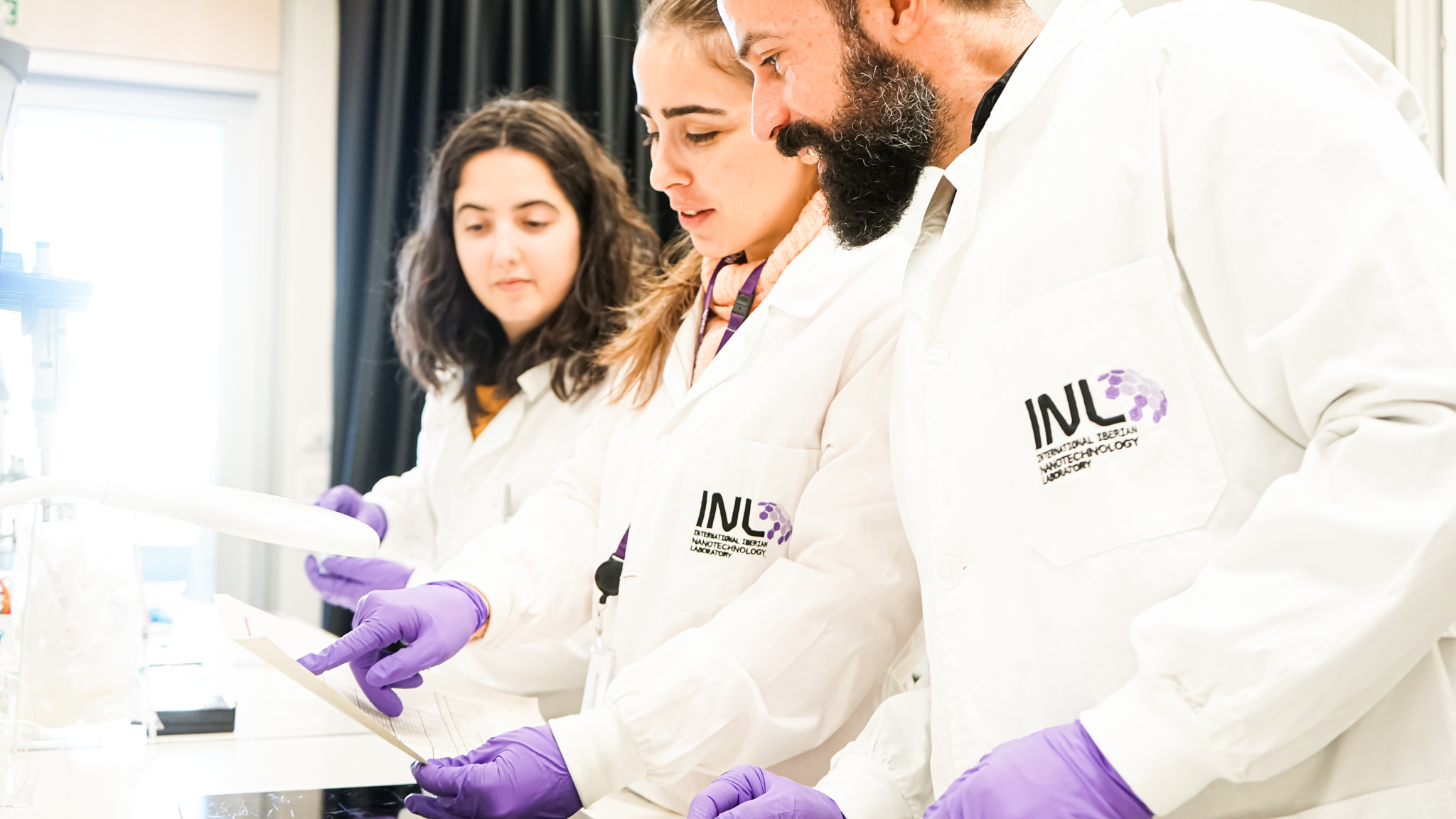
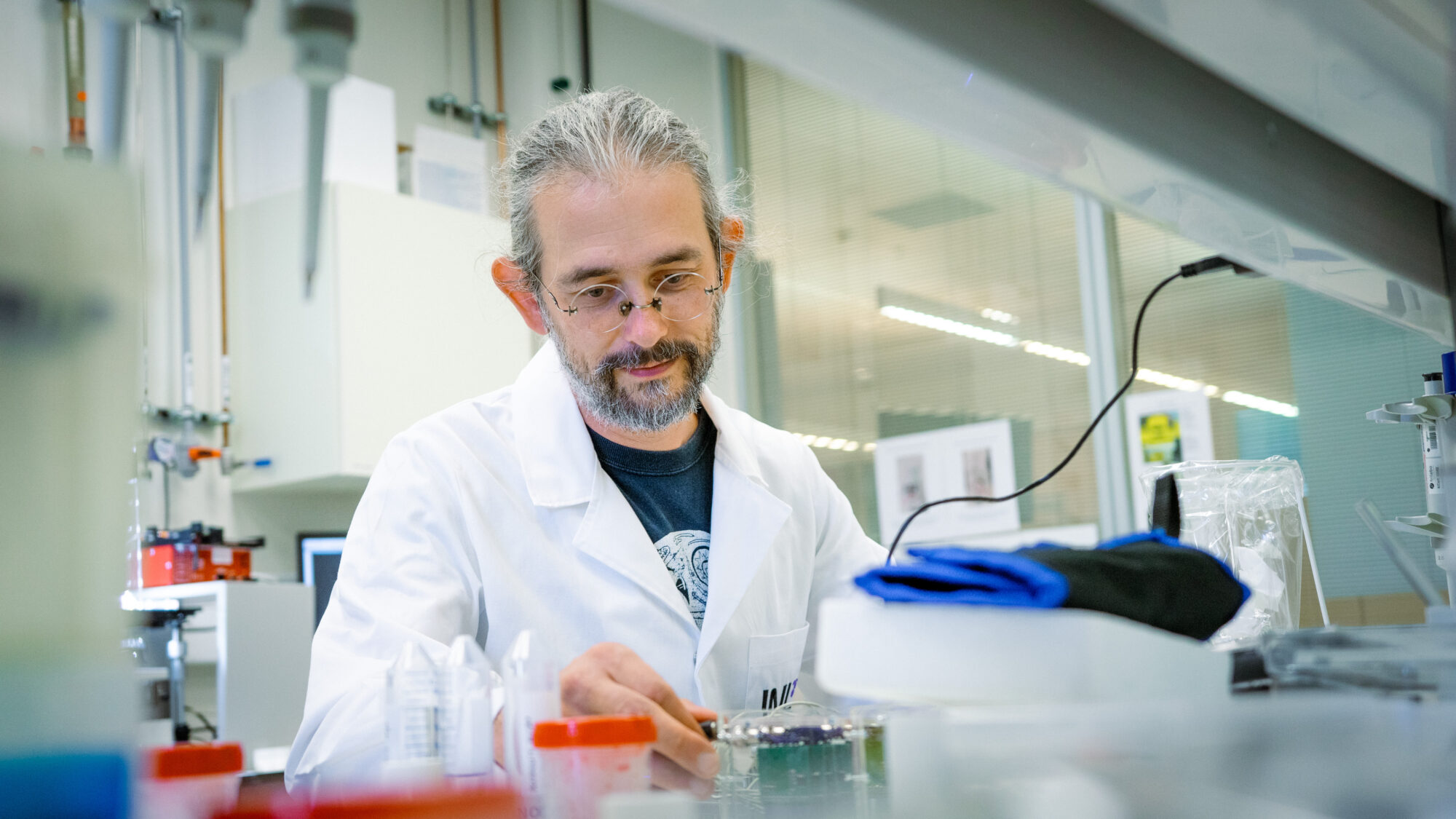
Surface-enhanced Raman scattering (SERS) spectroscopy has become a powerful tool for ultrasensitive and rapid chemical analysis. Its effectiveness comes from how light interacts with tiny metallic structures, generating electromagnetic fields that dramatically strengthen the Raman signal. However, turning this principle into reliable and scalable sensing platforms has been a long-standing challenge, limiting wider use of SERS in medical diagnostics, environmental monitoring, and molecular biosensing (if you would like to learn more about the current challenges of taking SERS into real-world applications, you can also read a previous review article published by the group). In a study led by Sara Abalde-Cela, INL researchers from the Diéguez group have developed a plasmonic substrate that notably improves the stability and reproducibility of SERS-based sensing. Their work, published in Advanced Optical Materials, introduces a fabrication approach that combines precision nanopatterning with controlled chemical growth. The process begins with electron beam lithography to create highly regular nanodisk arrays. These disks are then transformed into nanostars with sharp tips capable of producing extremely strong electromagnetic fields, leading into “hot spots”. “Compared to nanodisks, which produce weaker and more homogeneous field enhancements, the nanostars show highly localised electromagnetic intensification at their tips,” explains Sara Abalde-Cela. “Both simulations, […]

Read more
The ESRA Symposium Returns For a Dynamic 2nd Edition

The ESRA Symposium Returns For a Dynamic 2nd Edition

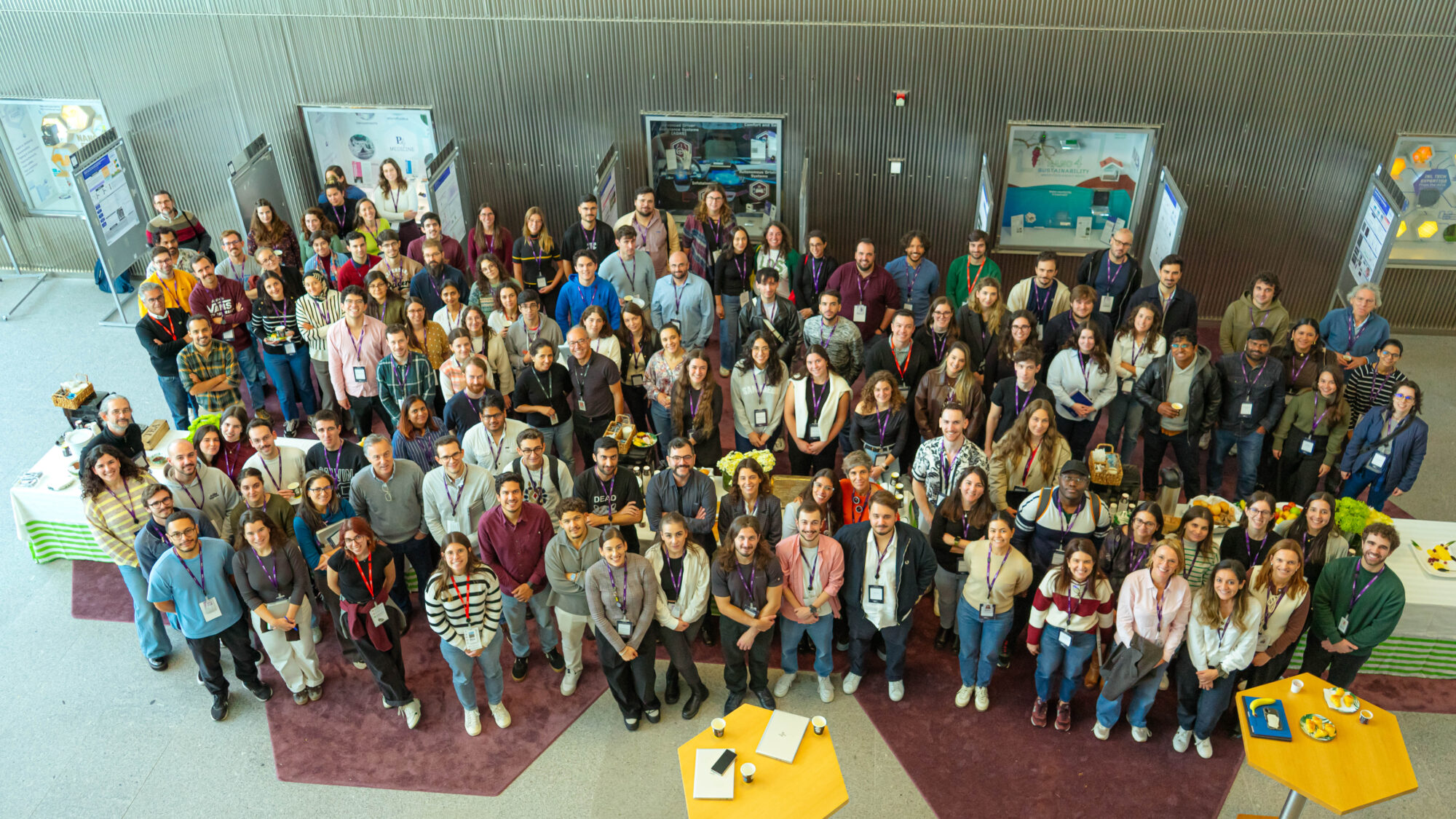
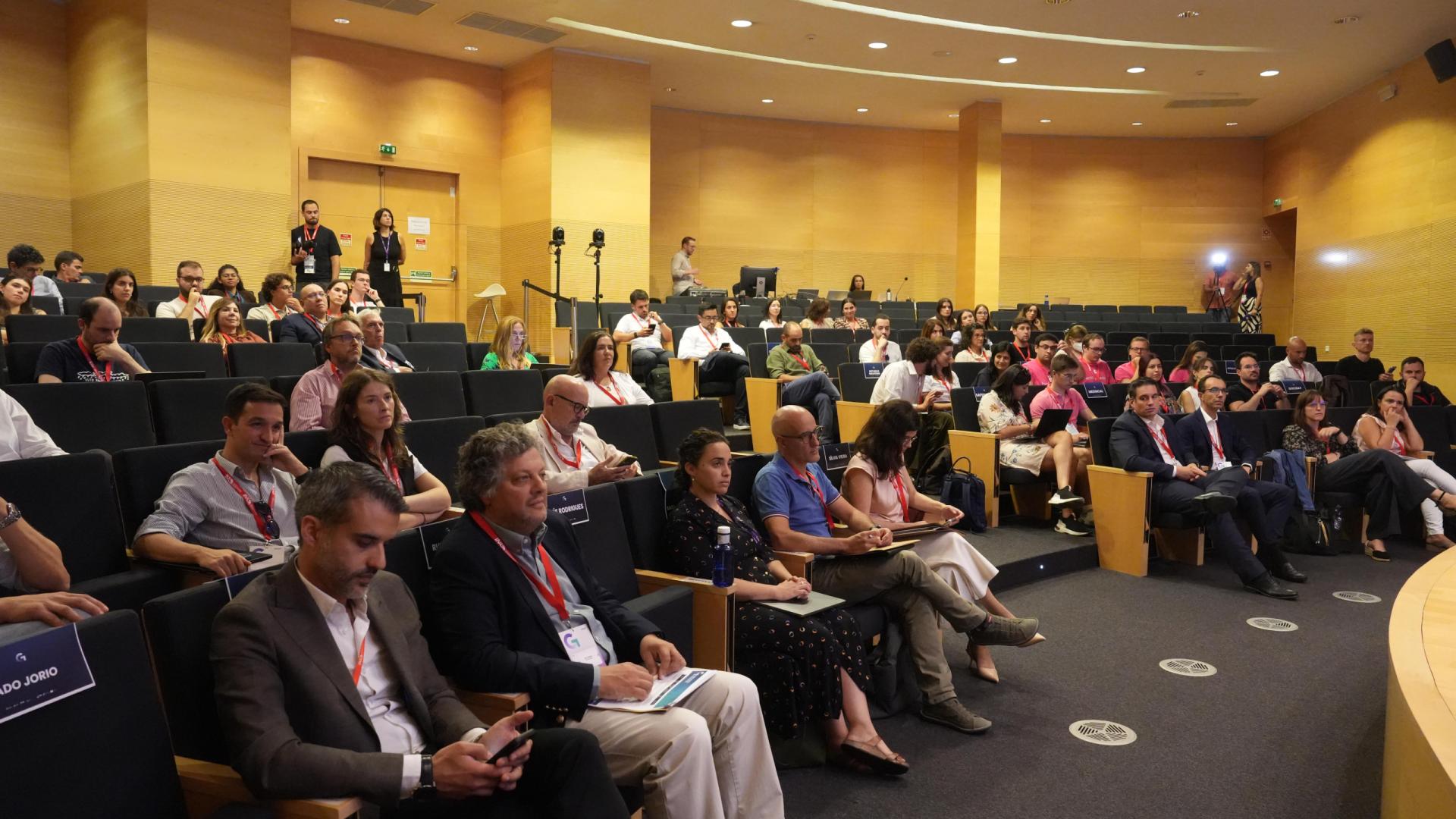
Following its successful inaugural session last year, the ESRA Symposium made a vibrant return to INL for its second edition on 11 and 12 November. Organised by the Early-Stage Researchers Association, the event is dedicated to championing the professional growth of early-career scientists. Eager to share their innovative work, master’s students, PhD candidates, and junior researchers gathered for two days of knowledge exchange and networking. The symposium opened with an inspiring address by Prof. Ado Jório, who emphasised the importance of the initiative in empowering the careers of early-stage researchers. Participants, then, showcased their work through engaging oral communications and poster presentations, creating a lively atmosphere filled with insightful discussions on innovation. Setting a captivating tone, the programme featured two keynote talks. First to take the stage was Prof. Luís Arnaut, from the University of Coimbra, founder and board member of Luzitin SA, and founder and chairman of Laserleap Technologies, who delivered a compelling presentation on “The Making of an Investigational New Drug – The Case of Redaporfin”. Later, attendees heard from Luís Sarmento, co-founder and CEO of Inductiva AI, who shared his perspective on “Start-ups, Simulations, and Surprises”. The symposium saw an impressive level of participation, with 180 total […]

Read more
INL and UMinho Transfer Cutting-Edge Graphene Diagnostic Technology to IPLEXMED

INL and UMinho Transfer Cutting-Edge Graphene Diagnostic Technology to IPLEXMED

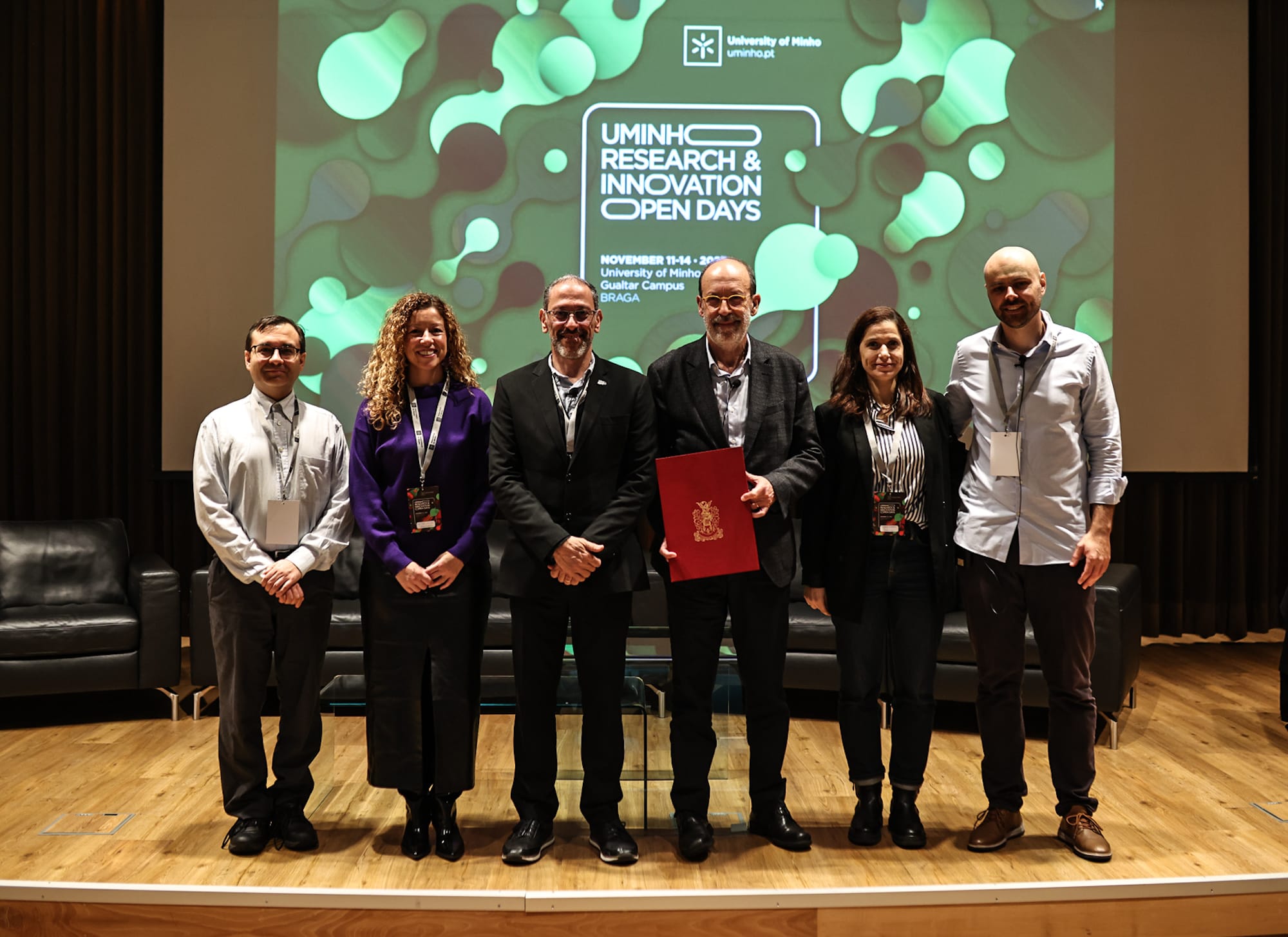
Today, 13 November, INL and UMinho have signed a landmark technology licensing agreement with IPLEXMED, marking a significant step in the commercialisation of cutting-edge medical diagnostic solutions. The concession was formalised during the Research and Innovation Open Days at UMinho, in Session 6: “From Bench to Market: Intellectual Property Licence Agreement between IPLEXMED, INL and UMinho”, held at 13:30. Under this licence, IPLEXMED, a spin-out company specialising in advanced medical diagnostics, gains the rights to commercialise a pioneering technology developed jointly by INL and UMinho. This innovation features functionalised graphene sensors capable of detecting malaria and other diseases through non-invasive methods. By enabling rapid and accurate detection of pathogens in saliva or urine samples, this breakthrough has the potential to transform global health efforts. The technology was developed under the MULTIMAL project, funded by HORIZON 2020, and patented by INL and UMinho in 2024. At its core are monolayer graphene FET sensors, delivering attomolar-level sensitivity while remaining safe for deployment in tropical environments. Ultimately, this landmark moment not only promises to positively impact the healthcare field, but also carries deep symbolic meaning. As Prof. Ado Jório, Deputy Director-General of INL, noted: “The logo of INL represents a graphene-like structure, and […]

Read more
INL Welcomes Braga’s New Mayor and Municipal Team

INL Welcomes Braga’s New Mayor and Municipal Team

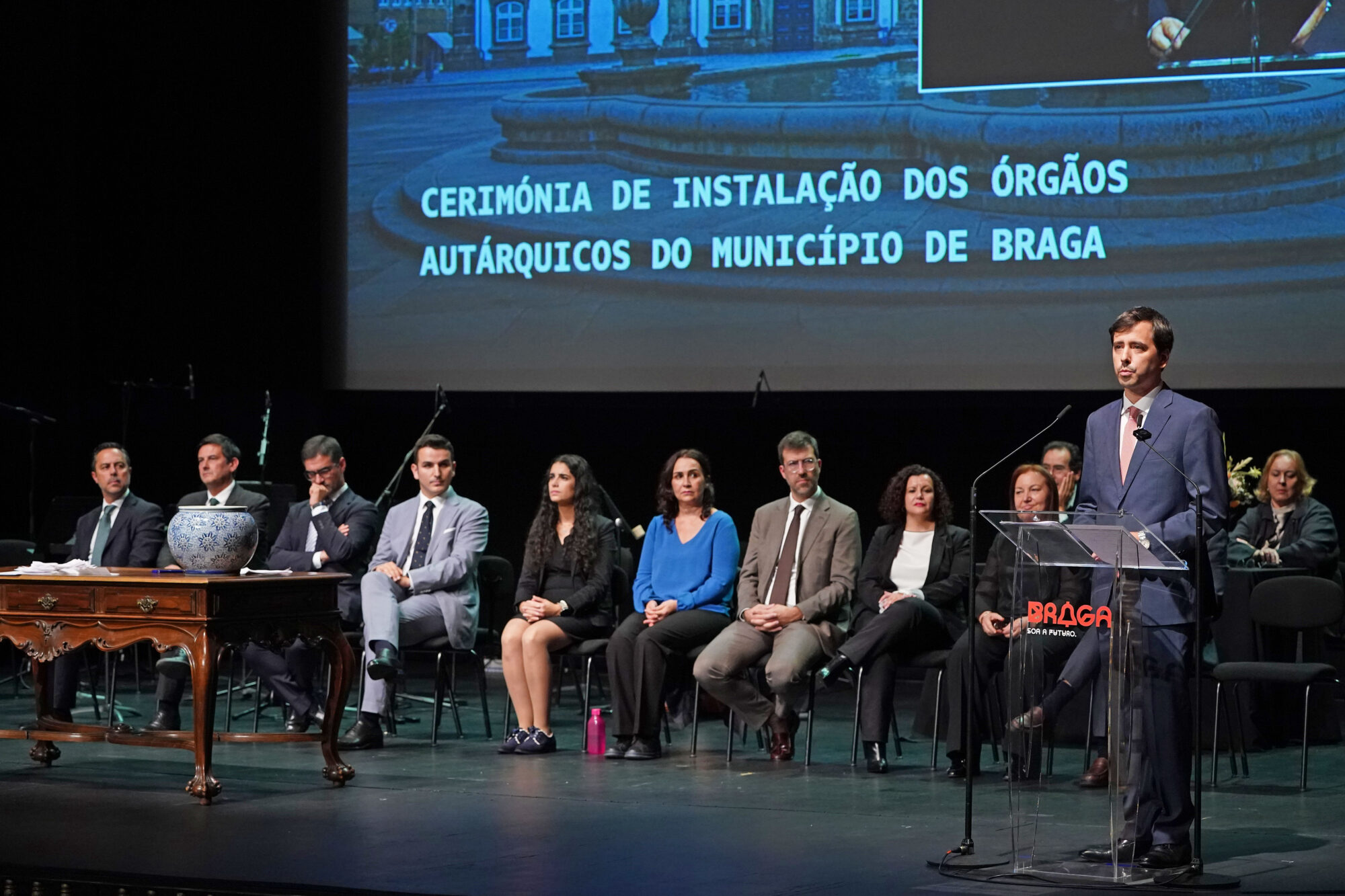
On the 3rd of November 2025, the installation ceremony of the municipal bodies of the city of Braga took place in Theatro Circo, marking the beginning of the 2025–2029 term. Representing the International Iberian Nanotechnology Laboratory, Professor Ado Jório de Vasconcelos, Deputy Director-General, and Dr Carolina Baptista, International Relations and Internal Affairs Communication Officer, attended the ceremony. The event formally inaugurated the new municipal administration. It included the swearing-in of the newly elected Mayor, Mr João Rodrigues, as well as the election of the Municipal Assembly, whose president is Professor Fernando Alexandre, the current Minister for Education, Science and Innovation of Portugal. Filled with symbolism, the moment brought together representatives from local and regional institutions, enhancing the city’s commitment to collaborative governance and community development. The participation of INL in this civic occasion reflects its enduring partnership with the Municipality of Braga and its dedication to contributing to the region’s scientific, technological and social advancement, reinforcing the shared values between institutions. Hence, INL warmly congratulates Mr João Rodrigues and his team and extends its best wishes for a successful mandate, knowing that continued progress and fruitful cooperation between the municipality and INL will be fostered.

Read more
Braga Startups Shine | Global Health Accelerator Demo Day at INL

Braga Startups Shine | Global Health Accelerator Demo Day at INL

The Demo Day of the Global Health Accelerator (GHA) took place on Thursday, September 18, at the International Iberian Nanotechnology Laboratory (INL). This dynamic event, organised by Startup Braga in partnership with INL and 2CA-Braga, brought together 11 innovative health startups, which showcased transformative solutions developed throughout the 6-month program.  The Demo Day gathered investors, health sector leaders, researchers, business partners, and students, offering them a unique insight into the next generation of innovations in digital health, biotechnology, and nanotechnology. Participants had the opportunity to engage directly with founders, explore collaboration opportunities, and witness the tangible results of a vibrant innovation ecosystem. The 2025 edition celebrated the achievements of 11 pioneering startups, with expressTEC and MetaBlue Solution (Otitest) earning top honours for their transformative health solutions. Their recognition underscores the growing strength of Braga’s innovation ecosystem and its ability to nurture high-impact ventures in the biomedical space.Other presenting startups were: Apollo Medica, BestHealth4U, BloodFlow, DocBay, Enhanced Fertility, Fetalix, Medgical, OmniumAI, and SafeCaring. This initiative not only highlights the strategic role of INL in fostering innovation at the intersection of science and entrepreneurship but also reinforces Braga’s position as a hub for emerging health technologies. The upcoming Bio-MedTech Hub will further strengthen […]

Read more
A new tool being developed at INL can explore electrical effects on cells

A new tool being developed at INL can explore electrical effects on cells

While we usually consider electronics as a fruit of human engineering, electrical signalling is also fundamental in biology, playing an essential role in cellular functions from neuronal communication and muscle contraction to cell migration, proliferation and differentiation. Electrical stimulation activating these biological functions is therefore also a powerful tool for both fundamental research and for therapeutic applications. Alar Ainla, research scientist at INL, in collaboration with the Life and Health Sciences Research Institute (ICVS) at the University of Minho, has developed a novel multi-channel in vitro electrical stimulator to help study these effects in a versatile and accessible way. Their work was published in BMC Biomedical Engineering. Cells can sense and respond to the electric fields. Exposure to an electric field changes the electrical potential across the cell membrane, influencing voltage-gated ion channels and calcium signalling, which can trigger nerve impulses, muscle contraction, and even long-term processes like synaptic plasticity, cell proliferation, and differentiation. In stem and neuronal cells, electrical stimulation can promote axon growth, enhance the expression of neuronal markers, and trigger the release of molecules that guide the differentiation of neighbouring cells. In other words, cells behave like tiny sensors and communicators, adjusting their internal processes in response […]

Read more
Science, Innovation and Society: INL attends the Science 2025 Meeting

Science, Innovation and Society: INL attends the Science 2025 Meeting

Between the 9th and 11th of July, the International Iberian Nanotechnology Laboratory was represented at Encontro Ciência 2025, Portugal’s largest science and technology meeting. This year, the event took place at the NOVA SBE Campus in Carcavelos, Lisbon, and centred around the theme “Science, Innovation and Society”. Part of the “Science, Technology, Innovation” exhibition, INL was present throughout the three-day event, fostering engagement with policymakers, researchers, students, and the broader public, in a clear celebration of the importance of science in the public sphere. Professor Ado Jório, INL’s Deputy Director-General, participated in the opening session, where several key figures opened the event by addressing priorities in science and innovation. First, Nuno Piteira Lopes, Vice-President of the Cascais City Council, and Dr Isabel Rocha, Vice-Rector of Nova University, welcomed participants, stressing the contemporary nature of societal concerns and how science and innovation contribute to their resolution, while Dr Vera Aldeias, Commissioner of Encontro Ciência 2025, highlighted the increasing need to reduce bureaucracy. Rosalia Vargas reinforced the role of the Ciência Viva network and Professor Madalena Alves, President of the Foundation for Science and Technology (FCT), emphasised the impact of digital tools, the agency’s support for research careers, gender equality, and its ongoing restructuring. Finally, Dr Helena Canhão, Secretary of State for Science and Innovation, outlined goals to reform the fragmented science system, boost industrial innovation, continue U.S. partnerships, and enhance funding opportunities in Portugal, […]

Read more
Empowering the Next Generation: INFRACHIP Research Accelerator Kicks Off at INL

Empowering the Next Generation: INFRACHIP Research Accelerator Kicks Off at INL

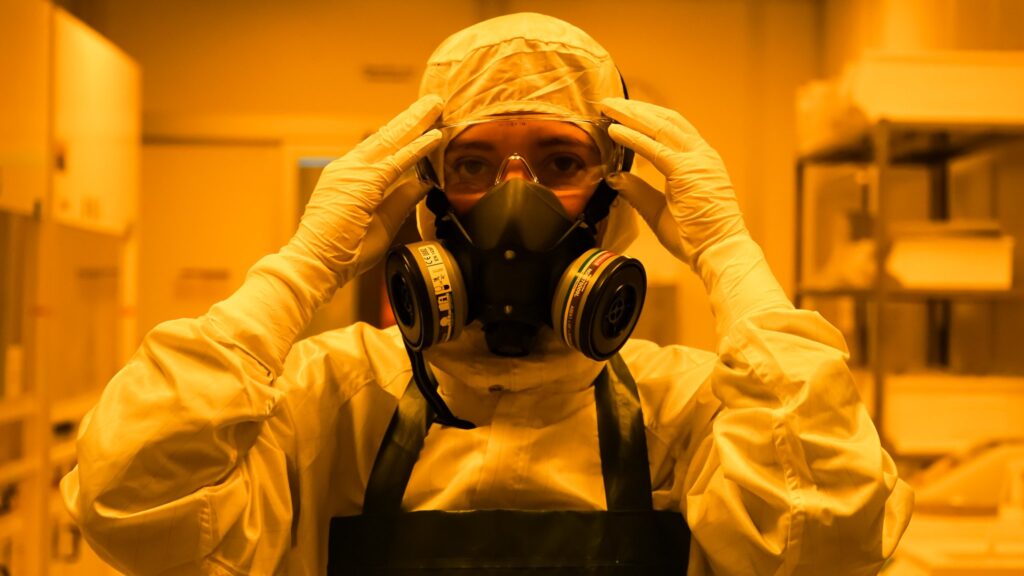
The International Iberian Nanotechnology Laboratory (INL) is proud to host an edition of the INFRACHIP Research Accelerator, a high-impact, short-term training programme designed to introduce early-career researchers to the cutting-edge technologies and facilities available through the INFRACHIP network. Over the course of two and a half days, 6 to 8 selected participants, PhD students and early-stage postdoctoral researchers—will gain hands-on exposure to advanced nanofabrication and nanocharacterization techniques. The immersive programme blends lectures by INL experts with live demonstrations inside two of INL’s state-of-the-art Research Core Facilities: the Micro and Nanofabrication (MNF) and Electron Microscopy and X-Rays (EMX). Participants will explore fundamental processes in micro- and nanofabrication such as deposition, patterning (optical and electron beam lithography), and etching (RIE). The programme also includes a deep dive into structural and chemical analysis techniques, including: + Transmission Electron Microscopy (TEM): Imaging, diffraction, and spectroscopy + Focused Ion Beam – Scanning Electron Microscopy (FIB-SEM) + X-Ray Photoelectron Spectroscopy (XPS) With a strong emphasis on practical training, participants will enter INL’s cleanroom and microscopy labs to directly observe and engage with the equipment and processes discussed in the lectures. This initiative is part of the broader INFRACHIP vision to democratize access to nanoelectronics infrastructure and strengthen the European research ecosystem. By sponsoring these researchers, INFRACHIP aims to accelerate their scientific progress […]

Read more
FORTIFy: ERC Project on Tendon Regeneration Led by Rui Domingues

FORTIFy: ERC Project on Tendon Regeneration Led by Rui Domingues

A new video is now available to introduce FORTIFy, a project funded by the European Research Council (ERC) and led by Rui Domingues, Group Leader at INL – International Iberian Nanotechnology Laboratory. FORTIFy aims to develop wireless nanoswitches to control PIEZO channels—specialised cell force sensors—to restore tendon function. By advancing tools to probe mechanobiology in human tissues, the project opens new possibilities for treating tendinopathy and related disorders. Watch the video to learn more about the scientific approach and goals of the FORTIFy project.

Read more
1 2 3 54