News

12th SciComPt Congress in Braga

12th SciComPt Congress in Braga

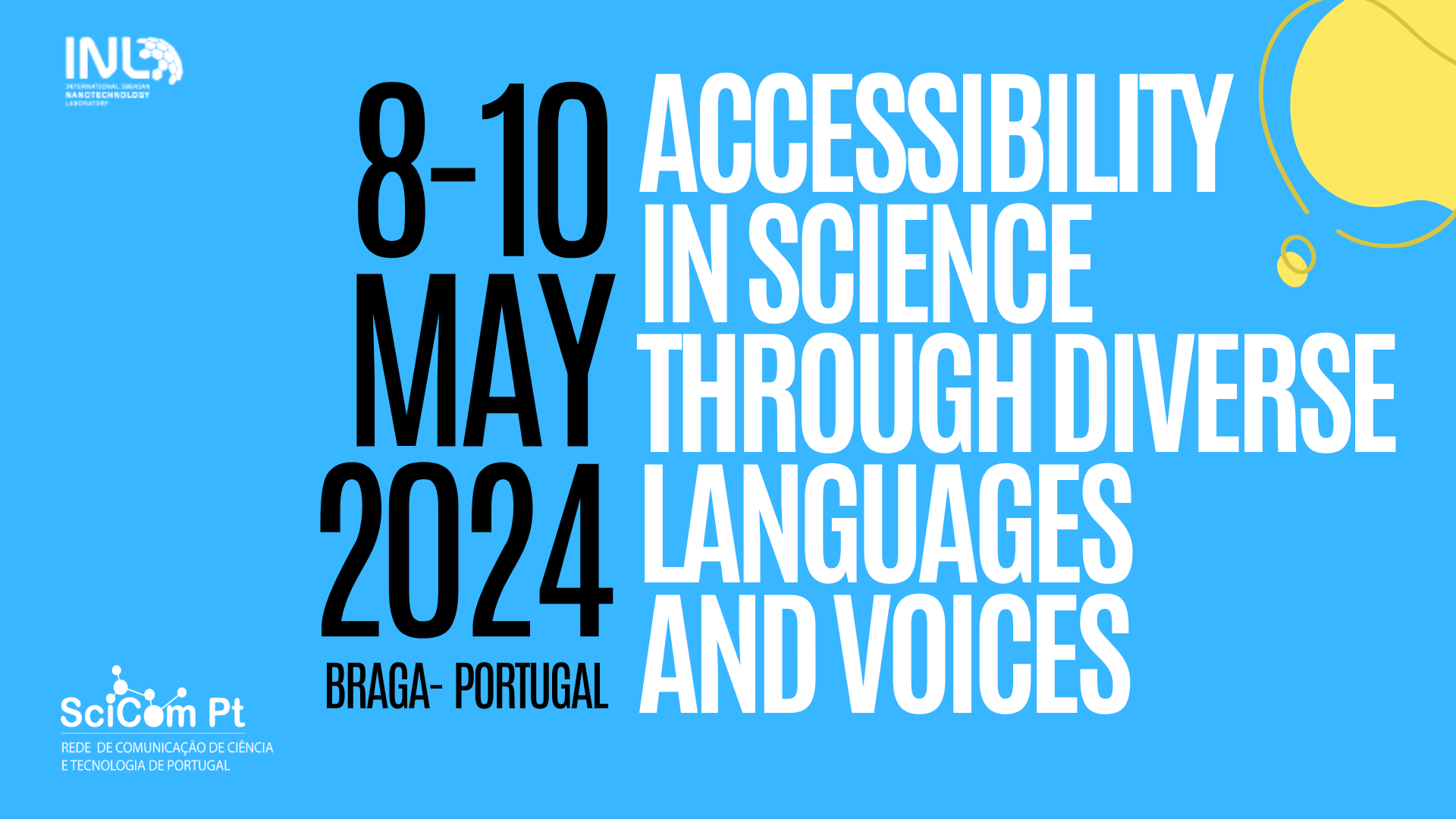
In the pursuit of an inclusive scientific landscape, the 12th Congress of the SciComPt network will convene between May 8-10, 2024, in Braga, Portugal. Themed “Accessibility in Science Through Diverse Languages and Voices”, this landmark event aims to address the pressing need for enhanced accessibility in science communication. In today’s society, the responsibility of science extends beyond the laboratory walls. Merely providing access to scientific publications falls short of empowering citizens to fully engage with scientific knowledge. As science delves into increasingly complex and ethically nuanced realms, it becomes imperative to bridge the gap between scientific expertise and public understanding. Recognizing this imperative, the Congress will spotlight the critical role of science communication in fostering a more inclusive scientific community. From promoting ongoing dialogue between scientists and society to addressing sensory limitations and diversifying communication channels, Congress will delve into multifaceted strategies to enhance accessibility in science. The event will happen at INL – International Iberian Nanotechnology Laboratory, Centro Ciência Viva de Braga, and the University of Minho, and will serve as a platform for interdisciplinary dialogue, collaboration and will share insights, best practices, and innovative approaches to science communication between researchers, policymakers, communication professionals, and engaged citizens. With a […]

Read more
MAY 15: European Neuromorphic Computing Event Aims to Bridge Gap Between Research and Innovation

MAY 15: European Neuromorphic Computing Event Aims to Bridge Gap Between Research and Innovation

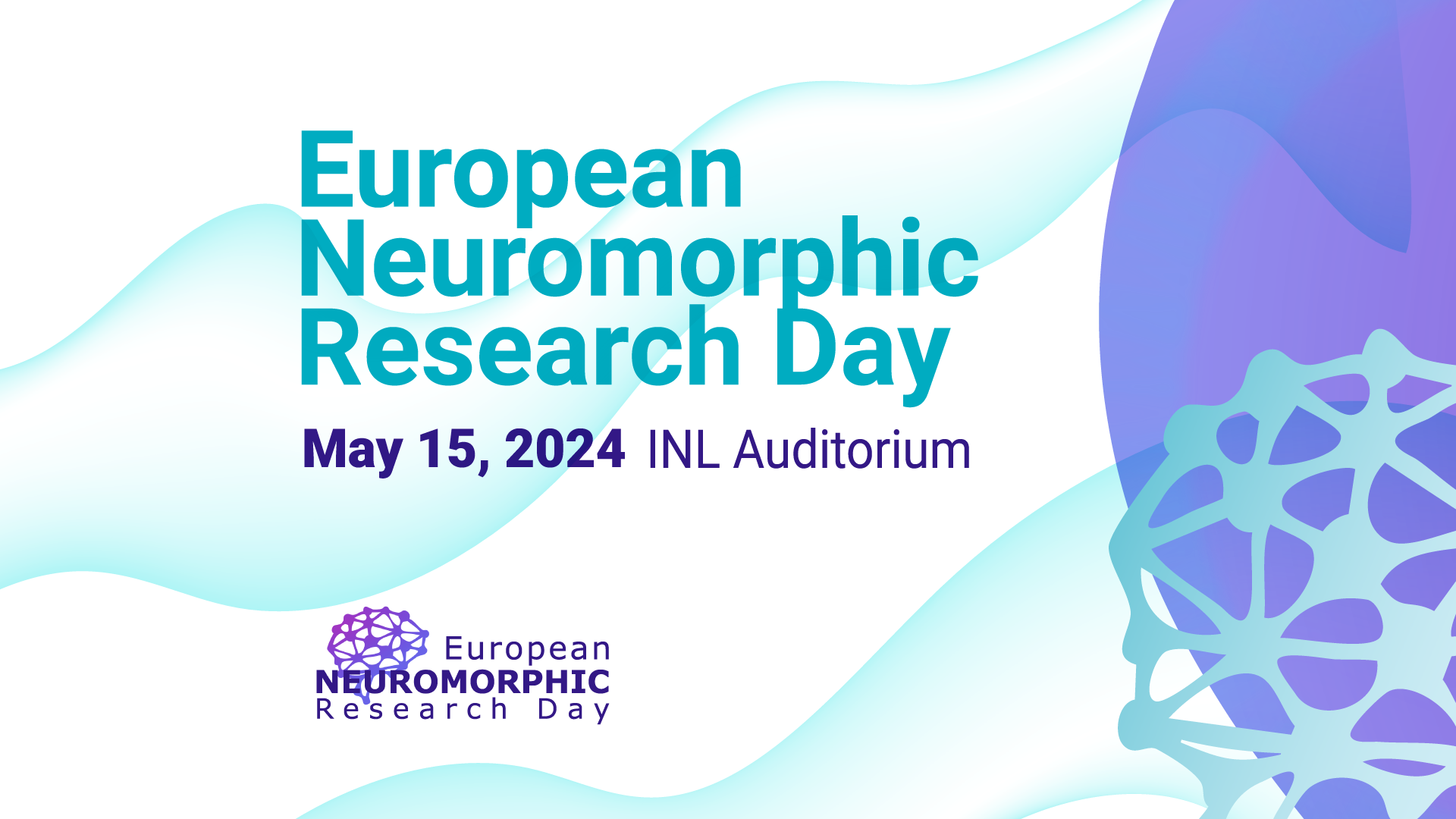
In a bid to foster collaboration and innovation in the field of neuromorphic computing, the INL – International Iberian Nanotechnology Laboratory is set to host a one-day research event bringing together coordinators, participants, and collaborators from various European projects and industry partners. Scheduled to take place on May 15, in Braga – Portugal, the event will serve as a platform for representatives from ten ongoing European research projects on neuromorphic computing. Additionally, two representatives from leading companies leveraging neuromorphic computing in their technologies will be in attendance. The event aims to stimulate discussion on bridging the gap between scientifically sound technologies and practical innovation in neuromorphic computing. By merging discussions on technologies at different stages of maturity, the organizers hope to identify common approaches and best practices for advancing these technologies in Europe. Key topics of discussion will include exploring available tools and addressing challenges that artificial neural networks and systems face in the realm of neuromorphic computing. Representative examples from participating projects will cover a spectrum of neuromorphic approaches, including electronics, spintronics, photonics, and other emerging materials often integrated with CMOS. These technologies find applications in diverse fields such as computer vision, edge AI, sensing, computing, high-frequency data processing, […]

Read more
Detecting objects without any physical interaction – reality or science fiction?

Detecting objects without any physical interaction – reality or science fiction?

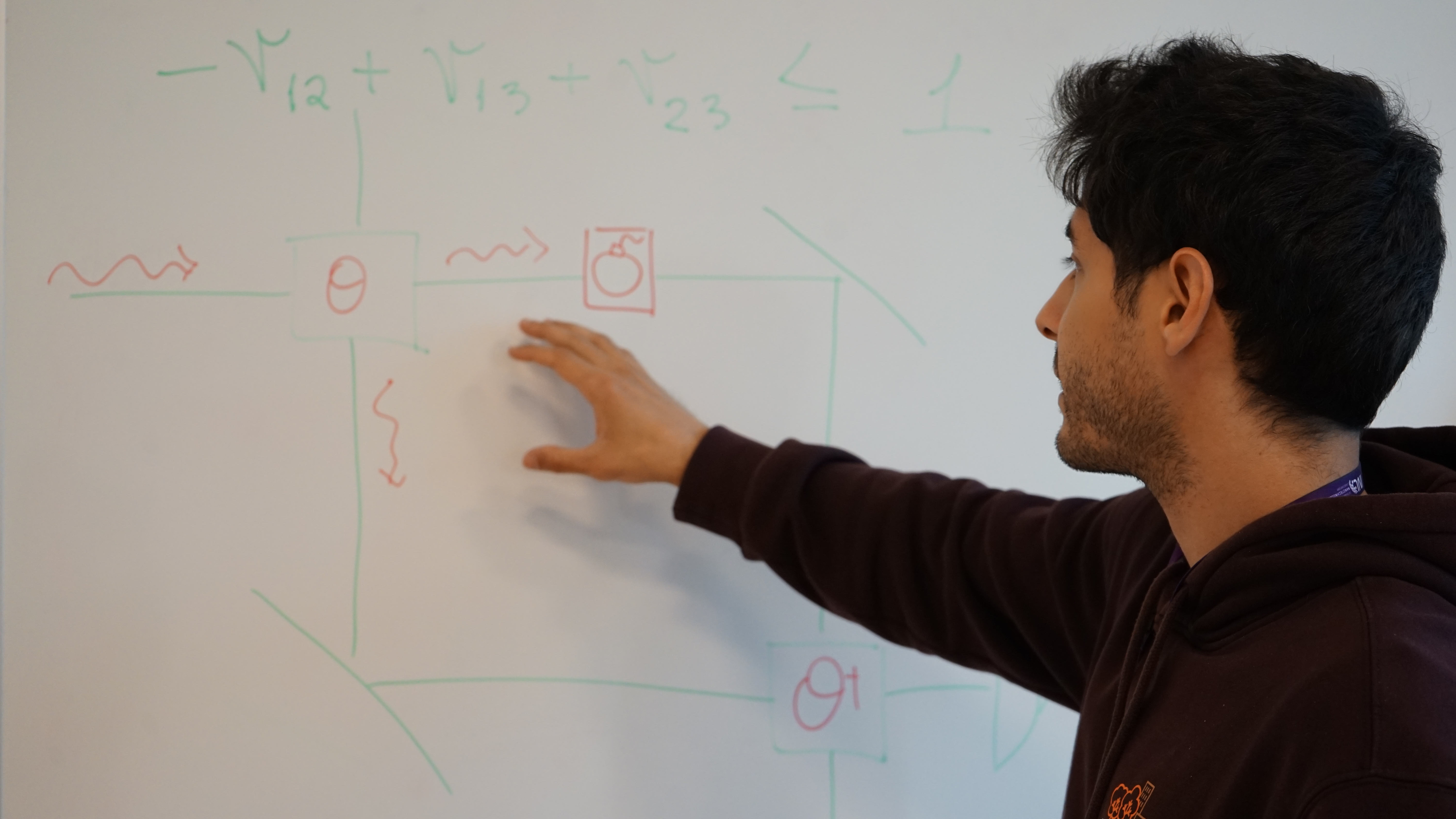
INL researchers have explored a fascinating quantum ability which lacks a classical explanation: the capacity to detect objects without traditional physical interaction. Rafael Wagner and Anita Camillini, INL PhD candidates, alongside the research group-leader Ernesto F. Galvão, have published a paper describing the revolutionary approach that challenges conventional concepts of detection. Imagine being able to identify something without actually touching it – similarly to diagnosis a hidden fracture without an X-ray or recognising a distant voice without hearing it directly. This study explores how quantum computers can achieve that, and detect objects without direct interaction. Rafael Wagner explains “It has been known for a long time that it is possible to detect things without interactions, as a result of the famous thought experiment introduced by Elitzur and Vaidman. They imagined an extreme situation where either there is a bomb in one of the arms of an interferometer, or there is no bomb.” Interferometers are tools used in many fields of science and engineering. The working principle of interferometry consists on splitting the light into two beams that travel different optical paths and are then combined to produce an interference pattern. Their scenario presents an unusual premise: within an interferometer setup, […]

Read more
INL hosts the 3-Minute Thesis competition, showcasing Doctoral Research talent

INL hosts the 3-Minute Thesis competition, showcasing Doctoral Research talent

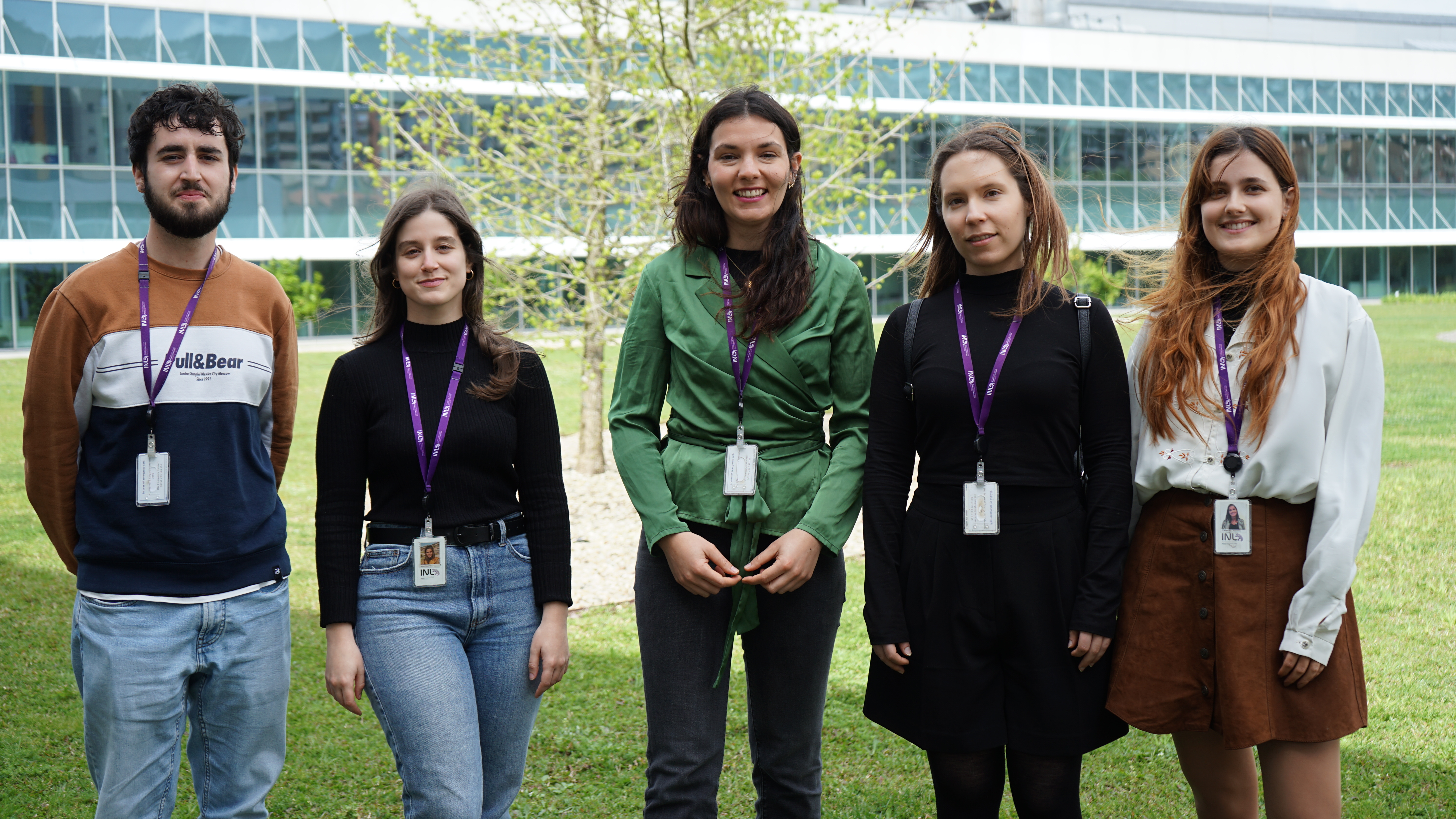
Last week, INL organised its highly anticipated Three Minute Thesis (3MT) competition, providing an exciting showcase of doctoral research excellence. The 3MT is an initiative that celebrates the exciting research conducted by INL PhD candidates. The 3MT aims to develop early stage researchers’ presentation and research communication skills. It provides support for PhD candidates to effectively explain their research and its significance in just three minutes, using language suitable for a non-specialist audience. Embracing the challenge of condensing months/years of rigorous study into a mere three minutes, 24 PhD candidates from diverse research areas at INL stepped up to the INL auditorium, aiming to captivate the audience of 100+ attendees. The three rounds were held on March 26th, 27th, and 28th. After intense deliberation, the top five candidates were nominated, with their presentations showcasing both academic rigor and compelling storytelling. Alexandra Alves, PhD candidate in the Quantum and Linear-Optical Computation group, highlighted the significance of accessible science communication, stating, “As PhD students we often present our work to expert audiences, but more approachable science communication is lacking. So it was both challenging and fun to try to condense my research topic into 3 minutes and for a diverse crowd.” For […]

Read more
INL Opens its doors to the public for a day of scientific exploration – #INLOPENDAY2024

INL Opens its doors to the public for a day of scientific exploration – #INLOPENDAY2024

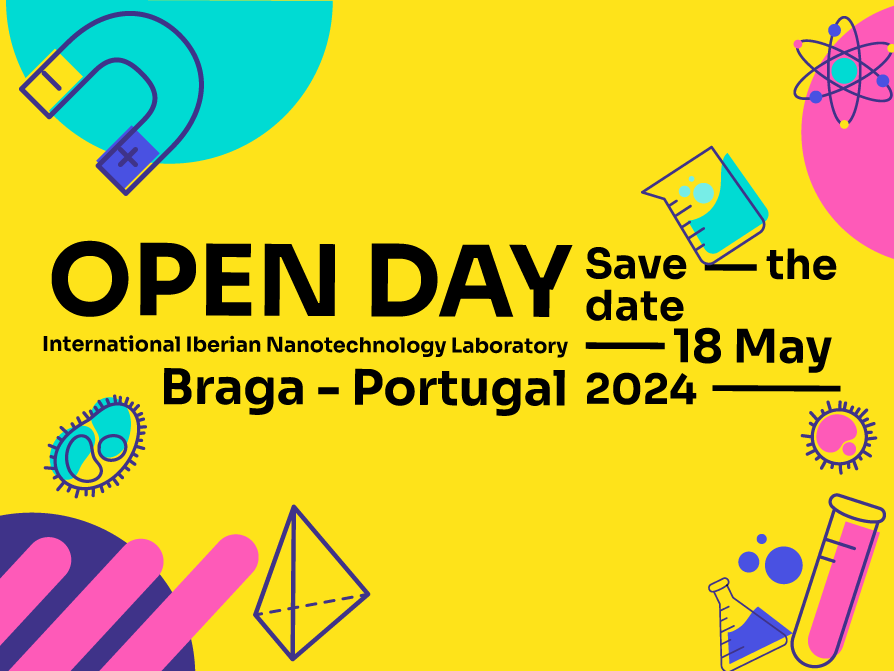
INL – International Iberian Nanotechnology Laboratory invites you to a day of discovery and exploration on May 18, 2024, in Braga, Portugal. This exclusive event offers a unique opportunity to experience firsthand the cutting-edge research and innovation happening within our renowned institution. Visitors will have the chance to meet our esteemed researchers and delve into the fascinating world of nanotechnology. Explore our state-of-the-art facilities, interact with our scientists, and learn about the groundbreaking projects shaping the future of science and technology. At INL, we believe in the power of collaboration and community. This event not only showcases our commitment to excellence in research but also serves as a platform to strengthen our ties with the communities we serve. We extend our heartfelt gratitude to all those who join us on this exceptional day of scientific discovery. Together, let us embark on a journey into the realm of science, where possibilities are boundless and innovation knows no bounds. For more information and to register for this event, please click here. Don’t miss this opportunity to be part of an enriching and inspiring experience at INL – International Iberian Nanotechnology Laboratory. We look forward to welcoming you!

Read more
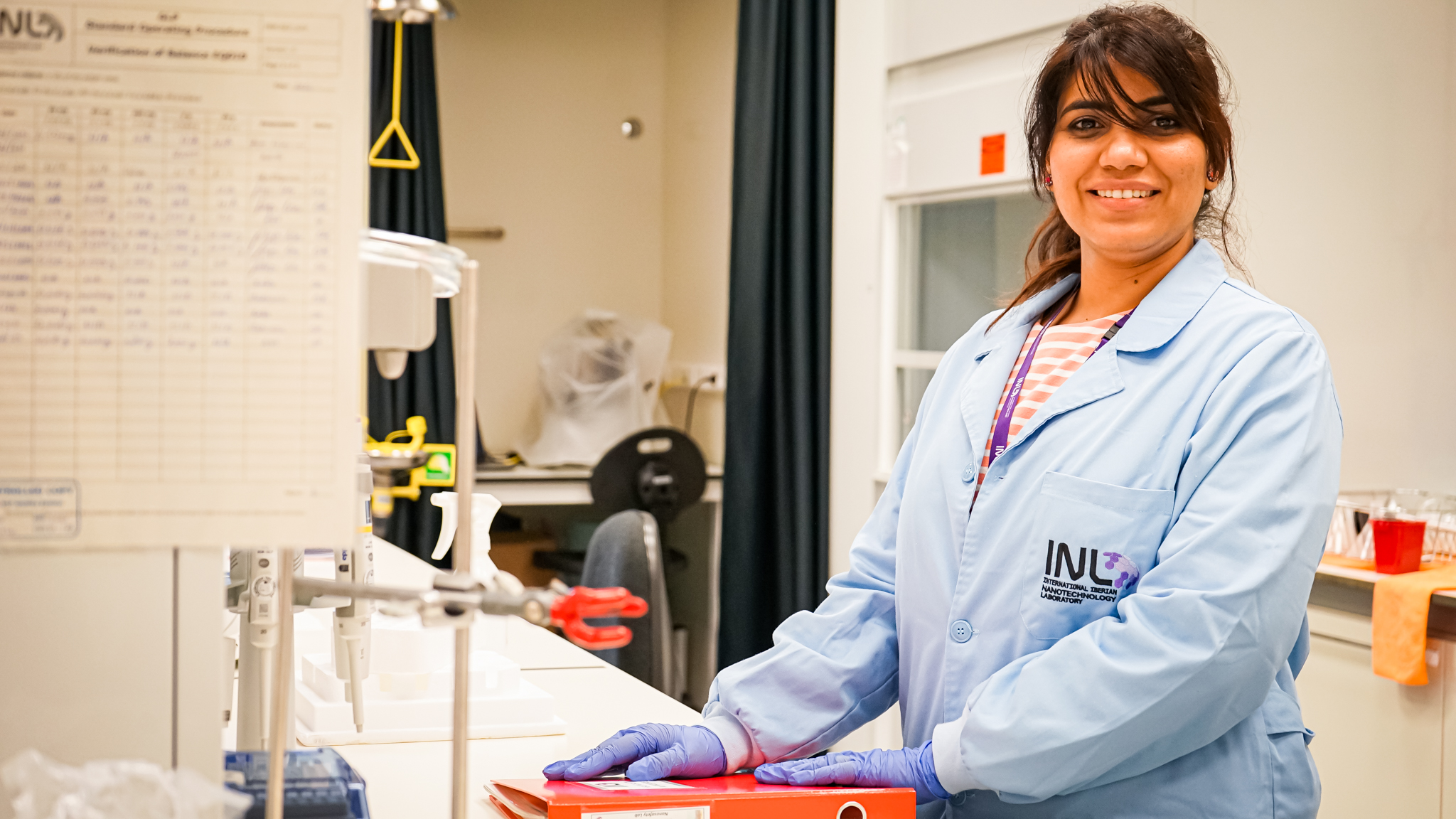
Sadaf Almas, effective audit facilitation and continuous improvement initiatives

Sadaf Almas, effective audit facilitation and continuous improvement initiatives

We aim to shine a spotlight on the exceptional achievements of women at INL spanning different fields and career stages. Join us as we honour their accomplishments, share their stories, and ignite inspiration for the upcoming generation of female scientists. Meet Sadaf Almas. She works as a Quality systems Assistant in the Quality and Coordination unit at INL and she coordinates and inspects the core departments at INL to ensure the quality management systems consistency in terms of quality, validity, and reliability with study bases, facility-based and process-based approaches. Can you give us an update on what you’re currently working on? In my role within the Quality department, I play a crucial role in ensuring adherence to Good Laboratory Practice (GLP) standards, particularly in the context of Nanosafety laboratories. My primary responsibility revolves around facilitating GLP audits, employing principles established by the Organisation for Economic Co-operation and Development (OECD). First and foremost, I work closely with Nanosafety to develop comprehensive audit schedules aligned with OECD guidelines. This involves collaborating with INLers to ensure that all pertinent aspects of GLP are covered, from facility infrastructure to standard operating procedures (SOPs) and data management protocols. Before conducting audits, I review existing documentation […]

Read more
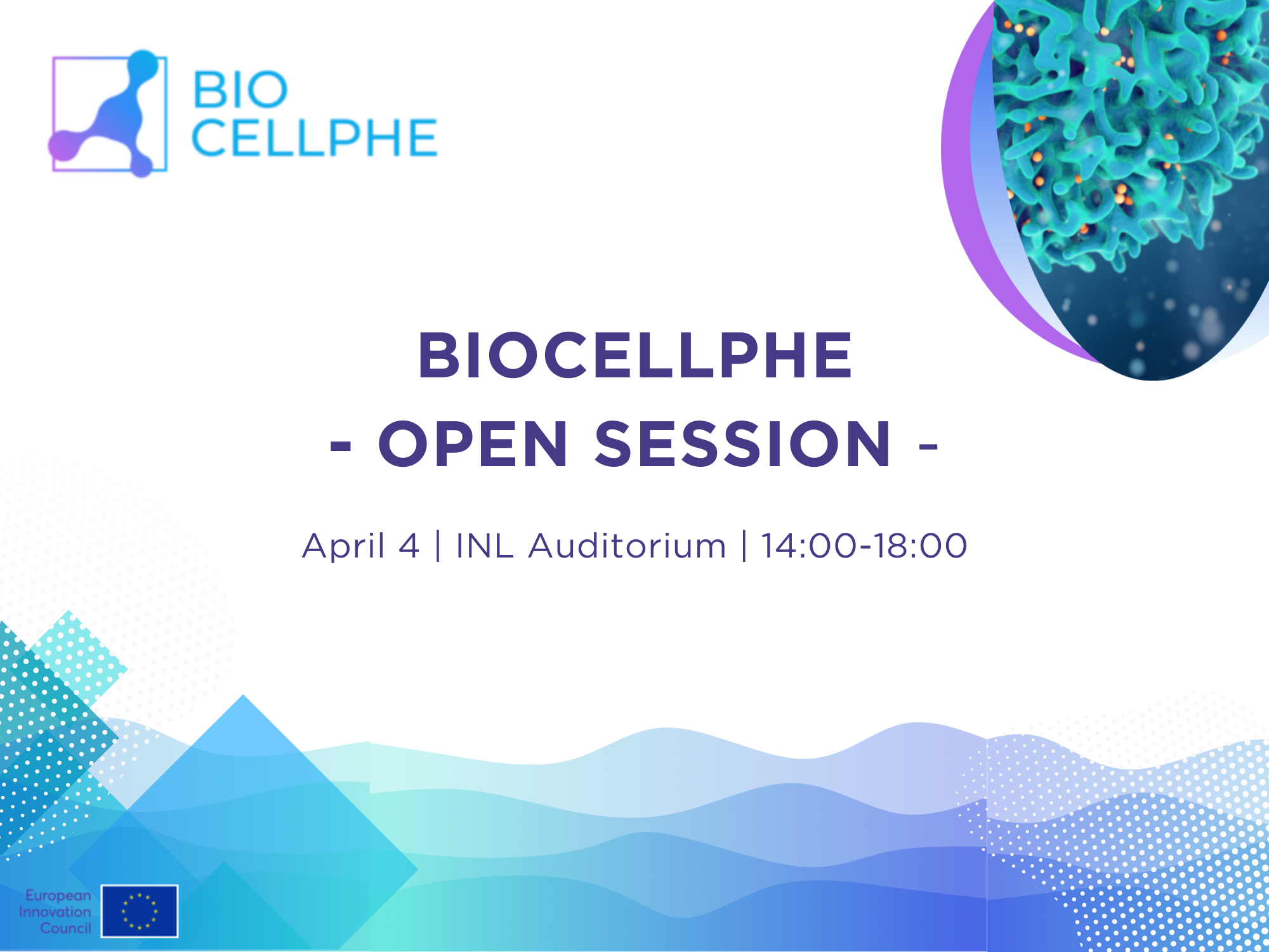
INL Hosts Open Session to Explore Breakthroughs in Single-Cell Analysis for Personalized Oncology

INL Hosts Open Session to Explore Breakthroughs in Single-Cell Analysis for Personalized Oncology

On April 4th, INL – International Iberian Nanotechnology Laboratory, in collaboration with the BIOCELLPHE project, is set to host an Open Session focused on pioneering advancements in single-cell analysis. This exclusive event presents a platform to delve into the challenges and opportunities within the field of single-cell analysis. Participants will have the opportunity to engage in discussions with leading experts and researchers, exploring the potential impact of these advancements on personalized oncology. INL’s partnership in the BIOCELLPHE project underscores its commitment to driving innovation and fostering collaboration at the forefront of nanotechnology research. By hosting this Open Session, INL aims to facilitate knowledge exchange and stimulate dialogue among stakeholders invested in the future of healthcare and diagnostics. Don’t miss this opportunity to be part of a transformative discussion on the cutting-edge developments in single-cell analysis for personalized oncology. Join us at INL on April 4th and be a part of shaping the future of healthcare. BIOCELLPHE, a project funded by the European Union’s Horizon 2020 FET-OPEN programme under Grant Agreement No #965018, aims to revolutionize the identification of proteins as diagnostic biomarkers at the single-cell level, boasting unparalleled sensitivity, multiplexing capabilities, and portability. Registration for the event is now open. […]

Read more
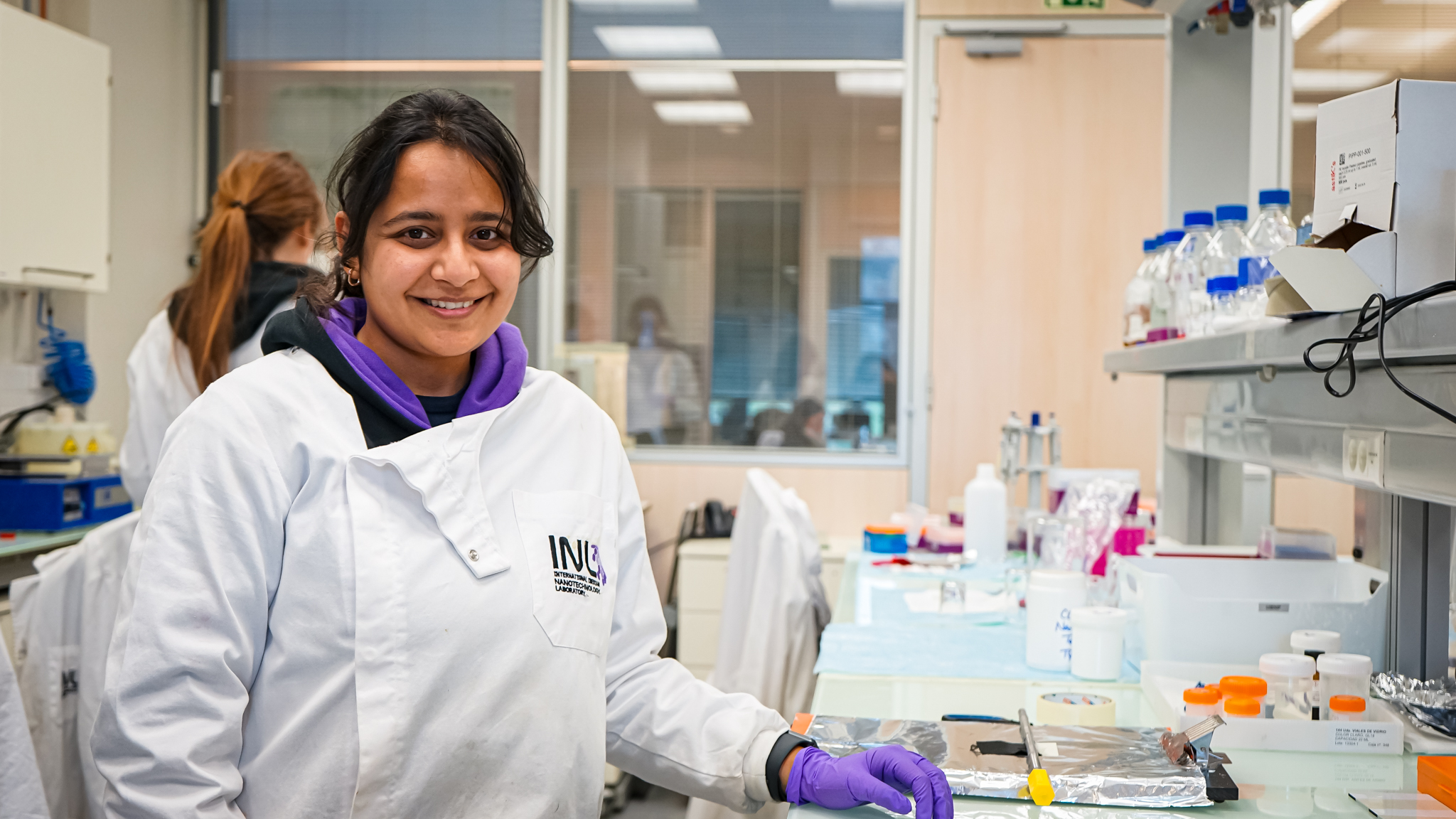
Roma Raj, integrating solar textiles into automotive design

Roma Raj, integrating solar textiles into automotive design

Our goal is to highlight the outstanding accomplishments of women at INL across a range of fields and career phases. Come join us as we commemorate their successes, tell their stories, and ignite inspiration for the next generation of female scientists. Meet Roma Raj, Research Fellow at INL – International Iberian Nanotechnology Laboratory, working in the Nanochemistry Research Group, a group focused on the development of nanomaterials following the strategy CSI: Catalysis, Synthesis and Investigation. Roma, can you tell us a bit about your path and your main area of work? My career journey has been quite fascinating, moving from earning an M.Tech in Energy Engineering to obtaining a Ph.D. in Chemical Engineering. Along the way, I’ve developed a deep passion and expertise in sustainable energy solutions, particularly in blending innovative technologies with environmental awareness. Currently, I’m focused on an exciting project: seamlessly integrating solar textiles into automotive design. This ground-breaking effort has great potential to transform how we view transportation and its effects on our planet. What is the importance of your work, and your research? The work I’m involved in is tackling one of humanity’s biggest challenges: climate change. By leading the way in integrating solar textiles into automotive, we’re […]

Read more
Is greenhouse farming releasing microplastics into water?

Is greenhouse farming releasing microplastics into water?

In a recent study conducted by INL researchers, in collaboration with University of Alcalá, Madrid, it has been revealed that greenhouse plastic cover films, commonly composed of polyethylene (PE), are releasing microplastics into the environment during their usage, significantly impacting ecosystems. Microplastics are tiny plastic particles that can result from commercial product development or from the breakdown of larger plastics, and may take hundreds or thousands of years to decompose. Microplastics, defined as plastic particles smaller than 5 millimeters, and nanoplastics, typically smaller than 1 micrometre, have been identified in various ecosystems, including water bodies, soil, and even food and beverages. Their ability to penetrate biological barriers and interact with organisms raises significant concerns about their long-term impacts on biodiversity and human health. The study was conducted over a six-month period in Almeria, Spain, where extensive greenhouse farming is practiced, to better understand the consequences of plastic degradation. Most vegetables grown in these greenhouses are sown and harvested within 6 months, and water analysis was performed at several time points. Researchers from the Water Quality research group at INL and the University of Alcalá applied advanced characterisation techniques to assess the chemical fingerprint, size distribution, and concentration of plastic particles released […]

Read more
1 13 14 15 16 17 104