News

OPTIRAS project results event

OPTIRAS project results event

OPTIRAS aims to improve technology and protocols for terrestrial cultivation of Atlantic sole and salmon with regard to productivity, animal health, production conditions, environmental benefits and sustainability. New technologies for water treatment and water quality monitoring were developed and/or tested: The OPTIRAS project evaluates their impact on fish health and welfare, productivity, and nutritional value. Join us on April 19th to participate in the discussion on project results, by registering here.

Read more
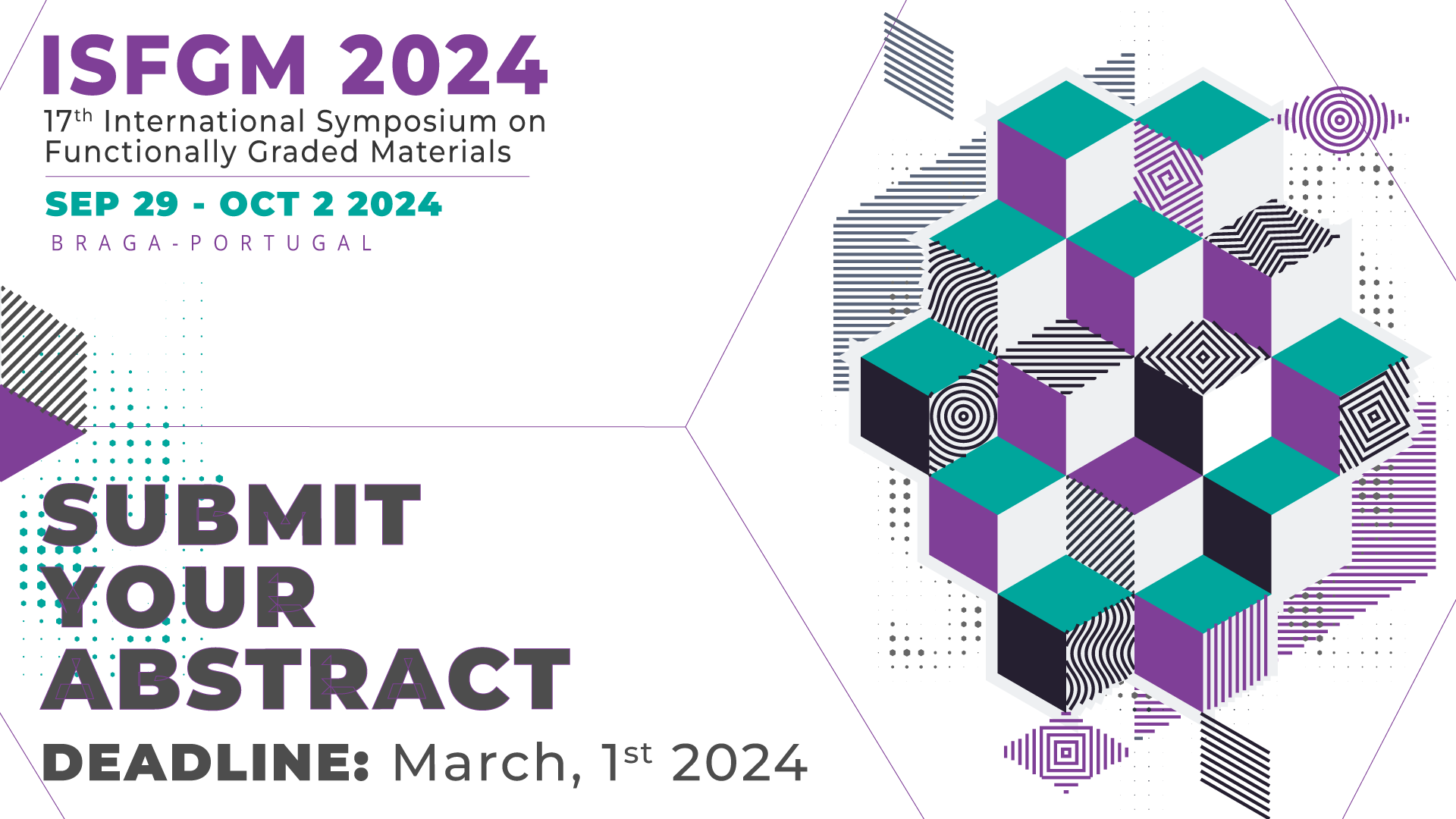
Abstract submission is now open for the 17th International Symposium on Functionally Graded Materials

Abstract submission is now open for the 17th International Symposium on Functionally Graded Materials

Abstract submission is now open for the 17th International Symposium on Functionally Graded Materials, which will take place in Braga – Portugal, at INL – International Iberian Nanotechnology Laboratory between 29 September to October 2, 2024. Attending this unique conference offers numerous benefits for researchers, engineers, and professionals in various fields. It will provide a platform for experts to share the latest research findings, advancements, and best practices in the field of FGMs. Attending presentations and workshops will allow you to gain insights into cutting-edge technologies, methodologies, and applications. At the same time, it will bring together professionals, researchers, and industry leaders from around the world who share a common interest in FGMs. Networking with peers, colleagues, and potential collaborators can lead to valuable connections, partnerships, and collaborations. Engaging with fellow researchers and learning about groundbreaking research can reignite your passion for your work and drive further innovation. Abstract submissions for the 17th International Symposium on Functionally Graded Materials are now open and you have the opportunity to showcase your work and contribute to the upcoming conference. Contributions should only be submitted online. To facilitate the submission process and the subsequent follow-up procedures, please consider the following information: + ELIGIBLE […]

Read more
INL advances heavy metal detection in industrial wastewater

INL advances heavy metal detection in industrial wastewater

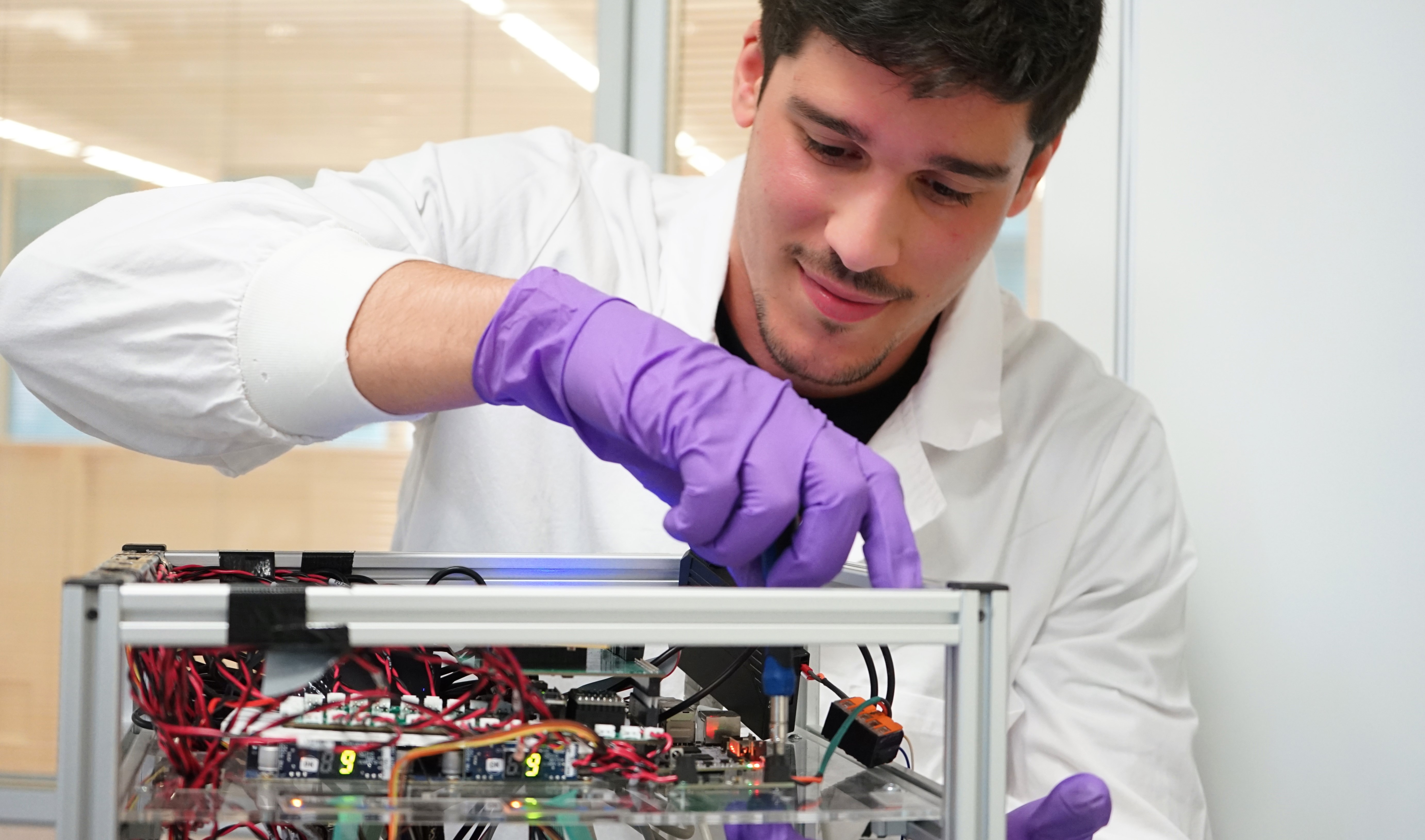
The advances in industrial modernisation are driving research towards the development of new sensors for the Industrial Internet of Things (IIoT) or Internet of Robotic Things (IoRT), aiming to enhance efficiency, production rates, and quality standards. However, current solutions face technical limitations in accuracy, and adaptability to real-world conditions. The Next-Gen Quality Control (NGQC) IoRT project focuses on developing an automated monitoring system to detect heavy metals in industrial effluents. This ecosystem includes environmental monitoring, as well as wastewater. Pilot testing is currently underway at Stellantis in Mangualde, embracing the principles of Industry 4.0. The monitoring system is integrated into a wastewater treatment plant to understand its evolution and whether water quality limits are being exceeded. Raquel Queirós, staff researcher in the Water Quality Group, explains, “This system collects a small sample from the tank at the beginning and end of the process. This sample is then filtered to detect the presence of the heavy metals”. Samuel Silva, research fellow in the Water Quality research group, adds, “The developed electrochemical sensors have been optimised to detect nickel and zinc.” The prototype has integrated an algorithm that calculates and estimates the concentration of the heavy metals. “The system is able to […]

Read more
What is it like to be a woman working in STEAM (Science, Technology, Engineering, Arts, and Mathematics) fields?

What is it like to be a woman working in STEAM (Science, Technology, Engineering, Arts, and Mathematics) fields?

In the realm of Science, Technology, Engineering, Arts, and Mathematics (STEAM), the contributions of women have historically been undervalued and underrepresented. However, as the landscape of these fields continues to evolve, so too does the role of women within them. At INL – International Iberian Nanotechnology Laboratory, we believe in fostering an inclusive environment where all voices are heard and celebrated. To gain insight into the experiences of women working in STEAM fields at INL, we reached out to some of our esteemed female researchers. Their perspectives shed light on the challenges they’ve faced, the triumphs they’ve achieved, and the evolving dynamics within their respective disciplines. From groundbreaking scientific discoveries to innovative engineering solutions, these women are driving progress and shaping the future of STEAM. Join us as we celebrate the International Day of Women and Girls in Science, celebrated on 11 February, implemented by UNESCO and UN-Women and delve into the stories, insights, and aspirations of the remarkable women researchers at INL, highlighting their invaluable contributions and inspiring journeys in the world of STEAM. So… what is it like to be a woman working in STEAM (Science, Technology, Engineering, Arts, and Mathematics) fields? Alexandra TeixeiraAssociate • Medical DevicesIt means facing […]

Read more
The magnetic world of quantum nanostructures

The magnetic world of quantum nanostructures

Over the last year, INL joined forces with Native Scientists as a partner in the educational programme “Cientista Regressa à Escola” (Scientist Returns to School). This social project, aimed at promoting scientific literacy, is truly unique and inspiring. Together, we have been able to strengthen the bond between scientists and children, inspiring the next generation and promoting equal opportunities. João Henriques, Junior Research Fellow in the Theory of Quantum Nanostructures group, visited the Escola Básica EB1/JI da Garapôa, and he described his school visit as “a wonderful experience fuelled by the genuine excitement of students eager to learn more about science”. João’s research is focused on theoretical studies of low dimensional materials, such as carbon based nanographenes. Nanographenes are fragments of graphene with unpaired electrons, which lead to magnetism. In a recently published study within the project PiMag, João Henriques and the team described the magnetic properties in these quantum nanostructures, and how it is possible to combine organic chemistry techniques to engineer new materials. The calculations provide a tuneable platform to explore quantum magnetism at the nanoscale, for potential quantum technology applications. João explains, “To explain this topic for 8-year-olds, I divided it into three parts. The first two highlighted the […]

Read more
INL hosts ASCENT+ Research Accelerator Program

INL hosts ASCENT+ Research Accelerator Program

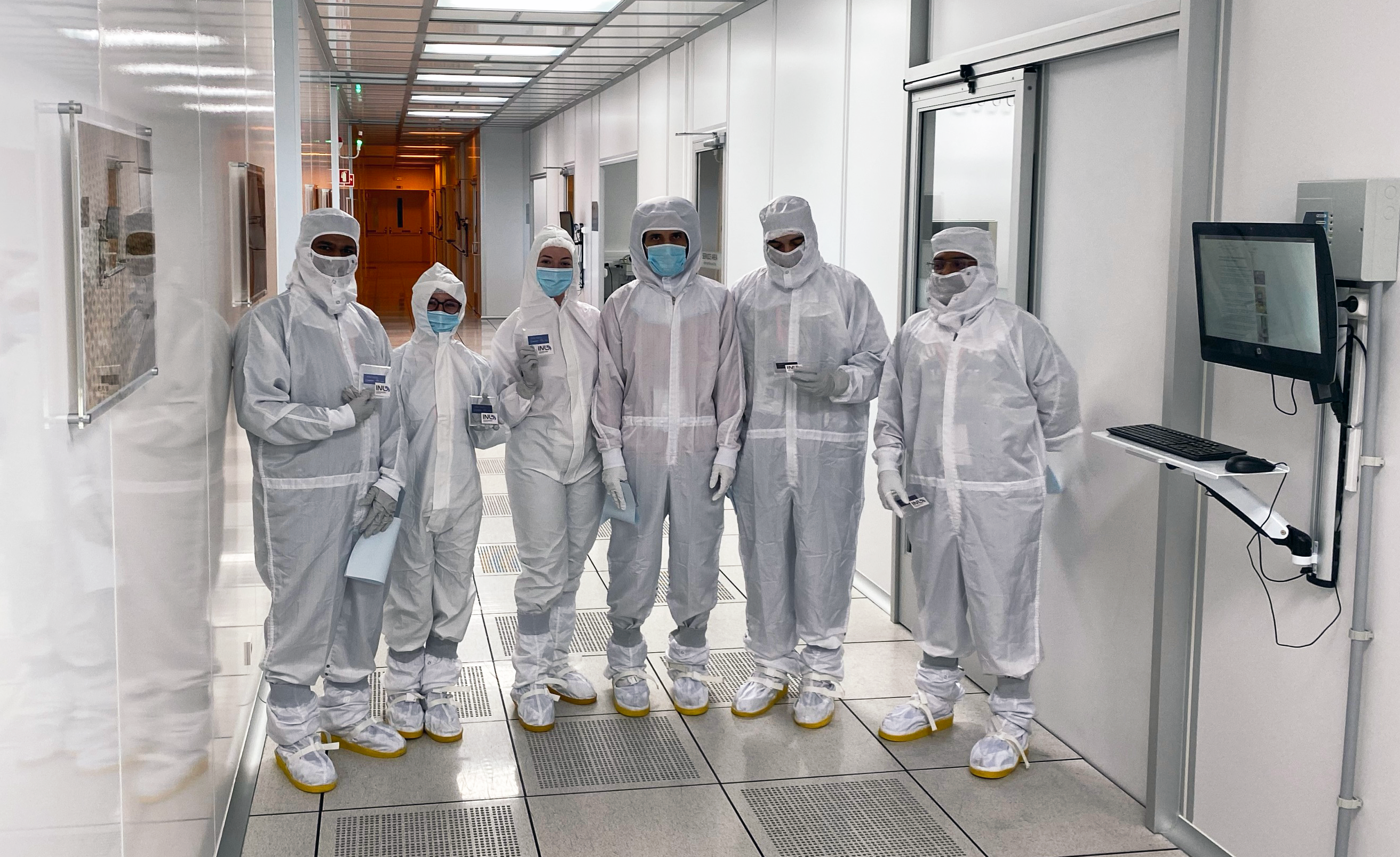
In January, the INL Research Core Facilities – Micro and Nanofabrication (MNF) and Advanced Electron Microscopy, Imaging & Spectroscopy (AEMIS) – hosted a special event focused on micro- and nanofabrication, electron microscopy, and spectroscopy techniques.  The event saw six participants from the ASCENT+ Research Accelerator come together for two and a half days of lectures and demos. During the event, participants were given a chance to see first-hand the different processing steps involved in microfabrication: deposition, lithography/patterning, and etching and electron microscopy and spectroscopy: SEM, FIB, XPS and TEM. The week’s highlight was an extended live demo of a microfabrication process inside the INL’s cleanroom.  The INL team was pleased to share their knowledge and contribute to the training of these promising researchers. Overall, the event provided an excellent opportunity for researchers to come together and learn about the latest techniques in micro- and nanofabrication. More about the project here. Text by Margaret Costa, Chief Operations Officer for Research Core Facilities and Patricia Barroso, Communication, Conferences, and Marketing Officer Photography by Andrea Gouvêa, Research Engineer, Micro and Nanofabrication Facility

Read more
INL researchers developed an autonomous monitoring system for grape ripening

INL researchers developed an autonomous monitoring system for grape ripening

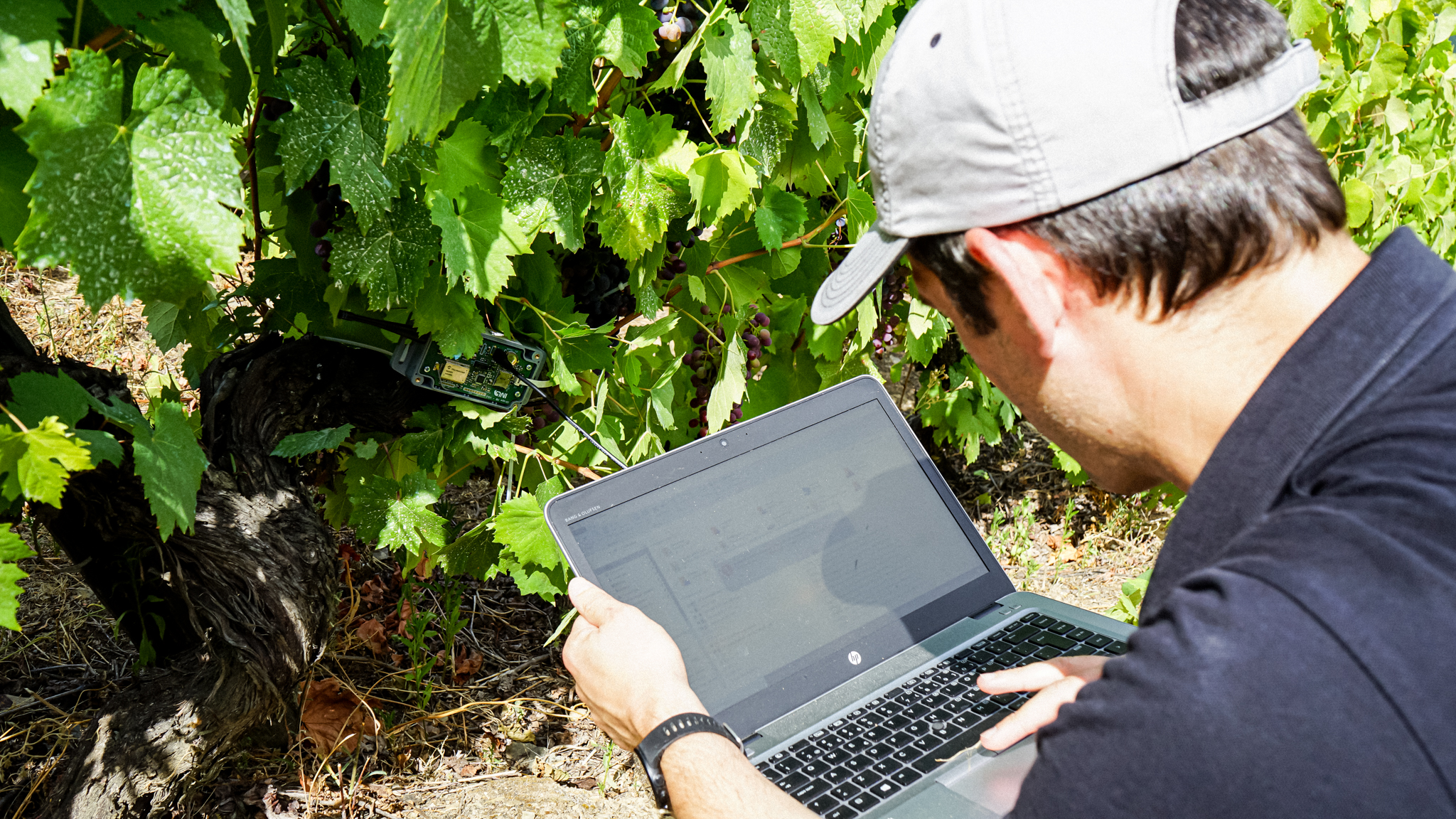
INL researchers have published a new study describing a novel prototype of a stand-alone system designed to autonomously collect grape ripening measurements. Climate change and the rapid transformation of economic value chains are driving the need for advanced decision-support systems in viticulture. The traditional method of monitoring grape maturation involves manual sampling and lab assays, but there’s a shift towards using optical techniques in agriculture. The Internet of Things (IoT) plays a key role in agriculture by connecting sensors, networks, and data processing. IoT is also one of the main drivers of precision viticulture, where the combination of multiple data sources can create complex tools for monitoring the vineyard. Hugo Oliveira, the main author of this study, explains “this IoT application involves using simplified spectral sensors to monitor grape ripening in real-time, providing analytical information about the grapes’ status. This work established the technology ground to achieve this objective”. The research work developed by INL researchers of the Systems Engineering and the Nanodevices groups, in collaboration with University of Milano, IMTEK, Sogrape, INESC-MN, and Automation, introduces a novel prototype of a stand-alone system which uses simplified spectral sensing to autonomously collect reflectance measurements directly from grape bunches. The system comprises […]

Read more
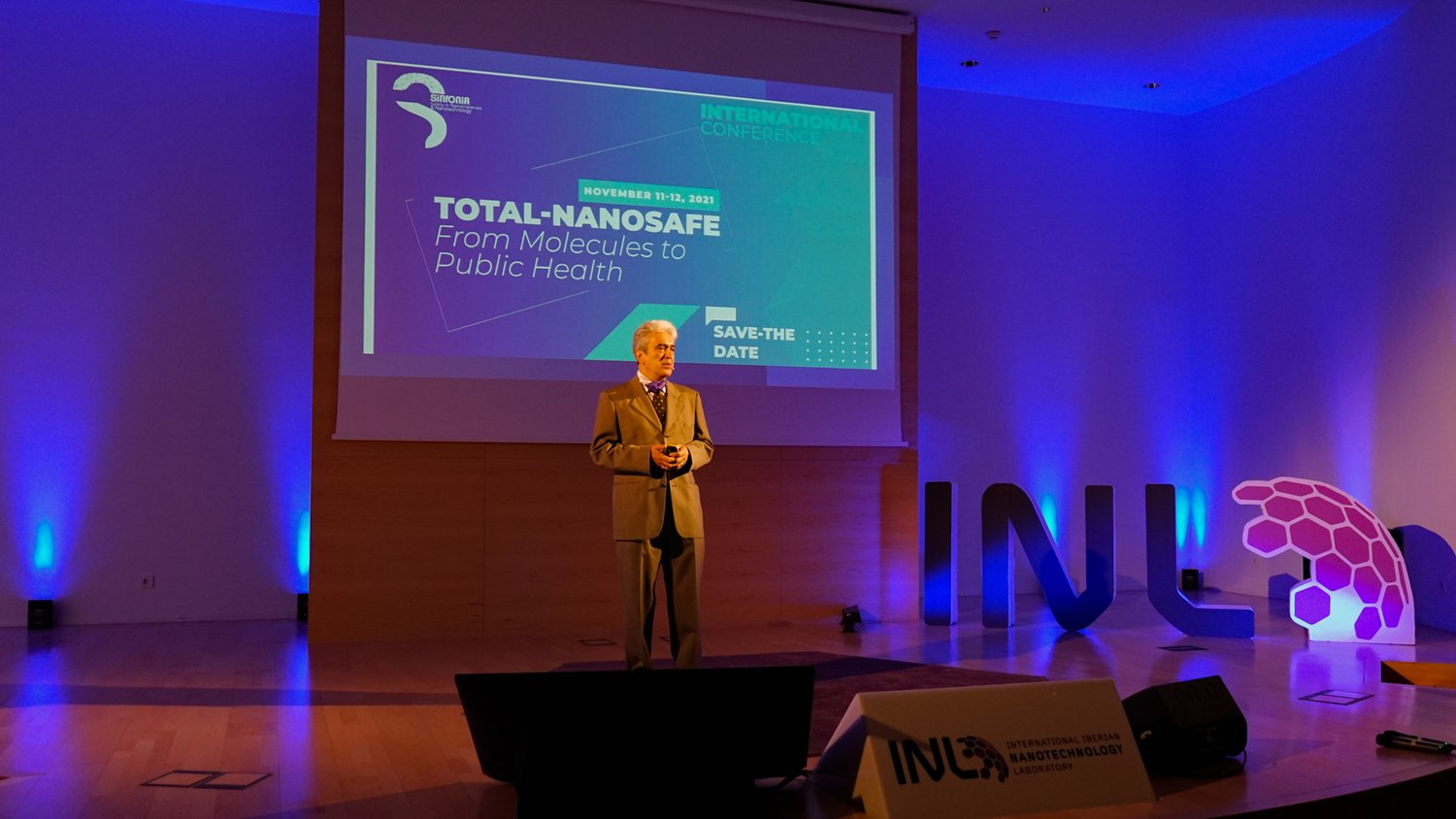
TOTAL-NANOSAFE II

TOTAL-NANOSAFE II

The second edition of the Conference Total-Nanosafe is back to INL. The event brings together experts in different fields related to the use of nanomaterials, nanotechnology and how these are related to different aspects of safety, regarding health and environment. More information coming soon. + ABOUT PREVIOUS EDITION

Read more
Courtesy visit from Cristóbal González-Aller Jurado, Consul General of Spain

Courtesy visit from Cristóbal González-Aller Jurado, Consul General of Spain

On January 24th, 2024, the Consul General Cristóbal González-Aller Jurado visited INL to meet the new Director General and offer his collaboration. Professor Dr. Clivia M. Sotomayor Torres warmly welcomed the Consul General and shared the latest updates on INL activities with Spain. During the meeting, they discussed opportunities for increased collaboration between INL and the scientific and technological ecosystem in Spain.  The INL Director-General expressed gratitude for the visit and hoped it would serve as a foundation for strengthening the future cooperation strategy. Text by Sonia Pazos Intergovernmental Relations and Special Projects Officer, edition by Patricia Barroso Communication, Conferences & Marketing Officer Photography by Patrícia Barroso and edition by Gina Palha, Communication, Conferences & Marketing Officer

Read more
1 27 28 29 30 31 133