News

Advancing artificial intelligence using nanophotonics

Advancing artificial intelligence using nanophotonics

Nanophotonic Spiking Neural Networks (SNNs) are essential for creating efficient artificial intelligence (AI) systems inspired by the brain. These networks use tiny, efficient devices, that are smaller than a micron, to mimic the behaviour of neurons. However, there are challenges in developing compact and efficient components for generating and detecting spiking signals in these networks. In this recently published paper, a result of the European Union funded research project ChipAI, researchers discuss the difficulties, early successes, and opportunities for building a crucial photonic neural architecture using specific nanoscale devices called resonant tunnelling diodes, also known as nanoRTDs. These diodes act as artificial neurons that can generate rapid spikes. The INL team explores the potential for integrating nanoRTDs with small light-emitting diodes and nanolaser diodes to create both spiking signal emitters and receivers, all of which would be compact, fast, and energy-efficient. Bruno Romeira, one of the authors of this perspective article, explains “this paper addresses the benefits and challenges of developing small brain-inspired light-based computing systems, where the key feature is the use of light pulses, or spikes, to encode information. This approach is inspired by the way biological brains process information, as spikes are used to encode and transmit […]

Read more
Evaluating the “quantumness” of a quantum computer

Evaluating the “quantumness” of a quantum computer

Programmable optical circuits are one of the leading architectures for quantum information processing. They enable tests of key aspects of quantum mechanics, and they have various applications in fields like metrology, cryptography, and computation. These devices handle information in a non-traditional way, using quantum states of light. As programmable optical circuits become larger and more complex, there is an increasing need for reliable methods to confirm their quantum capabilities and determine the most effective ways to use them for information processing. INL researchers, in a strong collaboration with Sapienza University of Rome, CNR-INF (Consiglio Nazionale delle Ricerche e Instituto Nazionale di Fotonica), and Politecnico di Milano, have recently published a new study that demonstrates how to certify several quantum properties of devices of increasing complexity. The paper was published on November 3rd in the journal Science Advances (full publication here). The experiments, led by Prof Fabio Sciarrino and carried out at the Quantum Lab group in Sapienza University, certified the presence of genuine quantum characteristics such as contextuality and coherence in a programmable integrated optical circuit. Dr Taira Giordani, lecturer at Sapienza University and member of the Quantum Lab team, explains that “this work is the first experimental application of […]

Read more
uPGRADE project meeting takes place at INL

uPGRADE project meeting takes place at INL

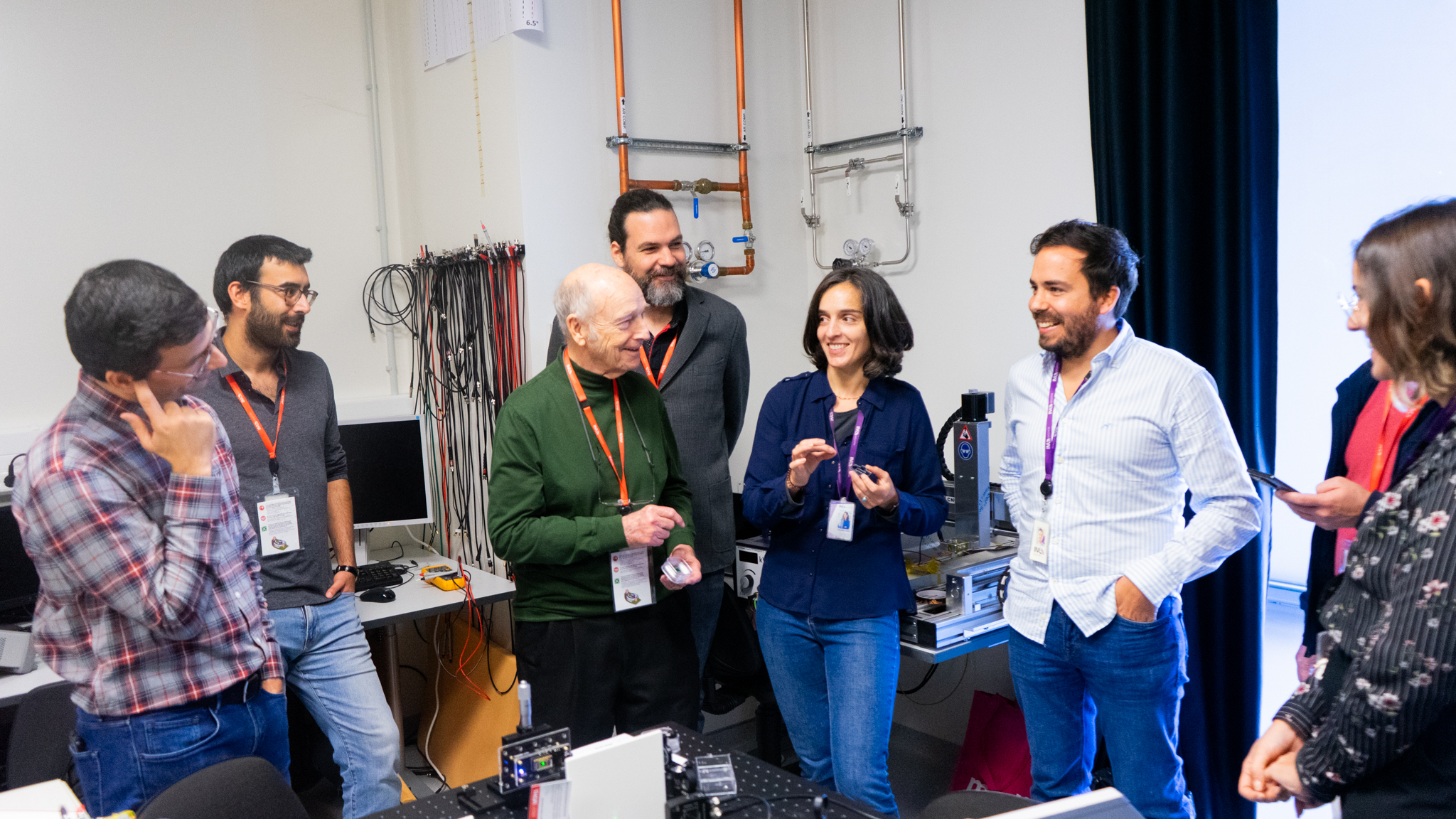
The final meeting of the uPGRADE project was held on Monday, October 23, at INL – International Iberian Nanotechnology Laboratory.  The meeting attendees included Spin.Works, the leading company, ISQ – Instituto de Soldadura e Qualidade, and a team from the University of Texas Center for Space Research at Austin, represented by Dr João Encarnação (currently at TU Delft) and the distinguished Professor Byron Tapley. Professor Tapley is responsible for the major space missions GRACE and GRACE-FO, which have provided instrumental gravimetric data for the understanding of climate change in recent decades. Rosana Dias and Filipe Alves from the Integrated Micro and Nanotechnologies Research Group coordinated INL and UMinho’s work on the uPGRADE project.  The uPGRADE CubeSat is part of the ‘goPortugal – Global Science and Technology Partnerships Portugal’ initiative and is co-financed by the FEDER program, through Compete2020 of the European Union, by the Regional Operational Programs, and by the Foundation for Science and Technology (FCT).  During the meeting, the team members reviewed the project’s significant conclusions and hurdles, as well as the next steps and plans for further collaboration, including planning the uPGRADE satellite launch.  Both Portugal and Texas team members considered the project a success, and uPGRADE is […]

Read more
Using graphene to purify water

Using graphene to purify water

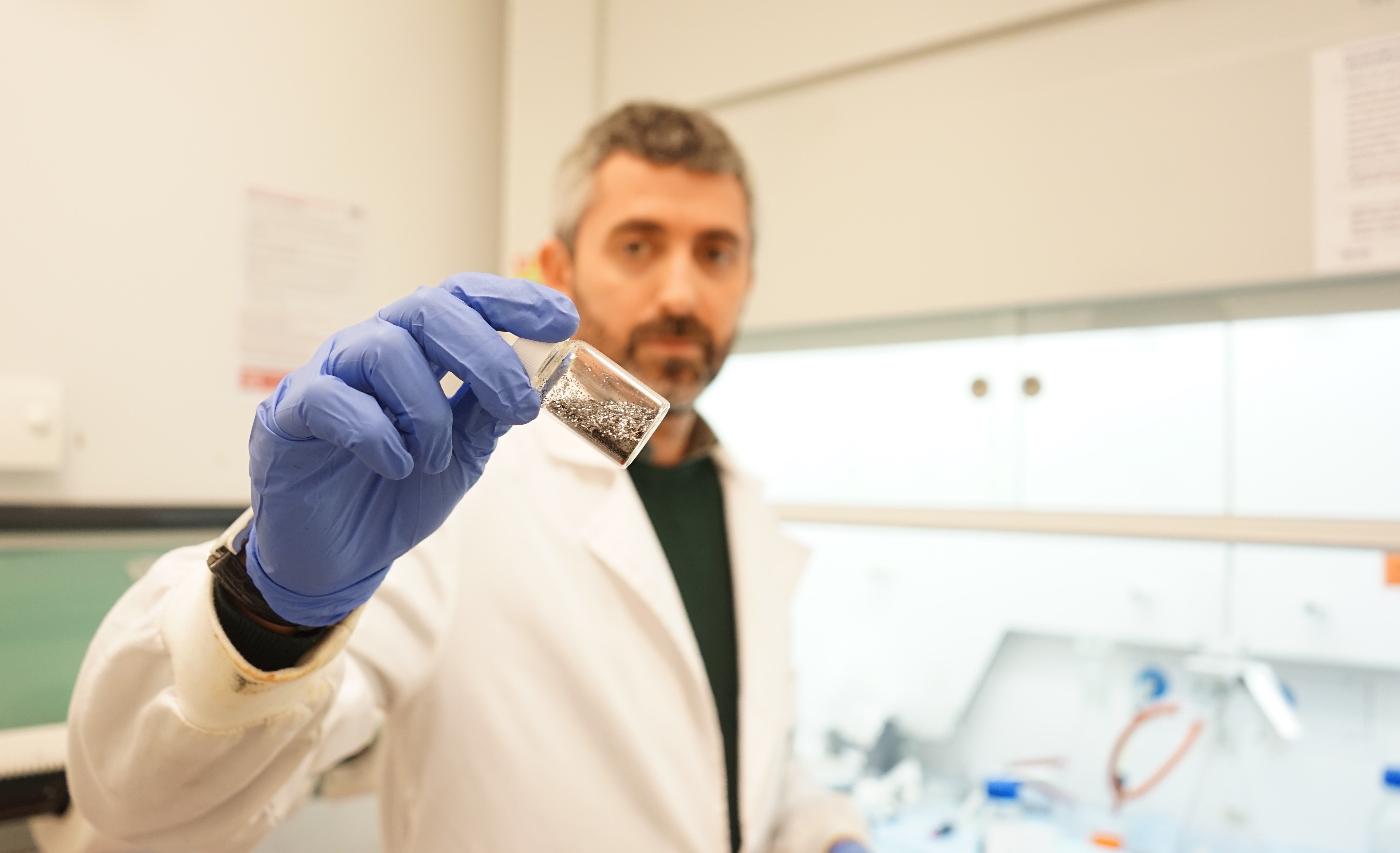
According to the World Health Organization (WHO), in 2020, only 74% of the global population, equivalent to 5.8 billion people, had access to safely managed and accessed drinking water services. Efforts in water filtration and purification are critical for recovering clean water from wastewater effluents containing different classes of pollutants. Traditional water purification methods encompass a combination of processes, which are implemented at various stages of treatment. However, these methods are not effective in completely eliminating pollutants and contaminants from treated water. INL researchers propose the utilisation of layered graphene materials in membrane production to overcome these limitations, while providing high-level performance. Graphene is a single layer of carbon atoms arranged in a two-dimensional honeycomb lattice, possessing remarkable strength, conductivity, and other exceptional properties, making it a strong candidate for a diverse range of applications. These include potential applications in electronics for high-speed transistors, composite materials with enhanced strength and flexibility, and filtration systems due to its unique structure, robustness and flexibility. In a recently published paper in the Advanced Functional Materials journal, INL researchers from the 2DMD and the Water Quality research groups describe an efficient and environmentally-friendly approach to develop graphene-based filtration membranes with micrometre-size. The developed membranes […]

Read more
3DSecret project, coordinated by INL, targets metastasis patterns in breast cancer

3DSecret project, coordinated by INL, targets metastasis patterns in breast cancer

Cancer remains the second most prevalent cause of mortality in developed countries, only behind cardiovascular disease. Critically, rather than the primary tumour, it is estimated that metastases are responsible for up to 9 in every 10 cancer deaths. The 3DSecret project, coordinated by INL, aims to unravel stochastic patterns that drive metastasis by combining a set of bleeding edge technologies: microfluidics, spectroscopy, nucleic acid sequencing, and artificial intelligence. The project, which unites partners from Portugal, Spain, Italy, and the UK, will use a multifactorial approach to study circulating tumour cells from the blood of breast cancer patients and identify patterns of cancer cell aggressiveness. The project kicked off in January, and a team of researchers from the Medical Devices research group at INL have successfully achieved the growth of cancer spheroids containing hundreds of breast cancer cells, originating from one single cell (figure below). The capacity of studying metastasis at the single-cell level avoids the averaging errors introduced by studying large cell populations and has the potential to allow the identification of cell-specific factors that can lead to the establishment of metastasis.  The consortium has also designed a clinical protocol together with 2CA at Braga Hospital, which will allow utilising the […]

Read more
World Food Day 2023: INL is working towards a sustainable agri-food system

World Food Day 2023: INL is working towards a sustainable agri-food system

World Food Day is an annual event that highlights the importance of addressing global hunger and promoting sustainable agriculture. With the global population expected to reach 9.7 billion by 2050, the need for a robust and sustainable agri-food system has never been more critical. The INL Food Cluster is committed to foster innovation in agriculture and food production. INL researchers are at the forefront of this mission, striving to create a resilient, efficient, and sustainable agri-food system. Their multidisciplinary approach combines nanotechnology, biotechnology, and advanced materials to create solutions that enhance food quality, safety, and availability. This video showcases INL’s nanotechnologies to build a future food system that is sustainable and able to secure healthier, tastier, authentic, and safer foods, optimising and monitoring the processes all throughout the different parts of the whole food value chain.

Read more
Winners of the #ERN2023 Photo Competition

Winners of the #ERN2023 Photo Competition

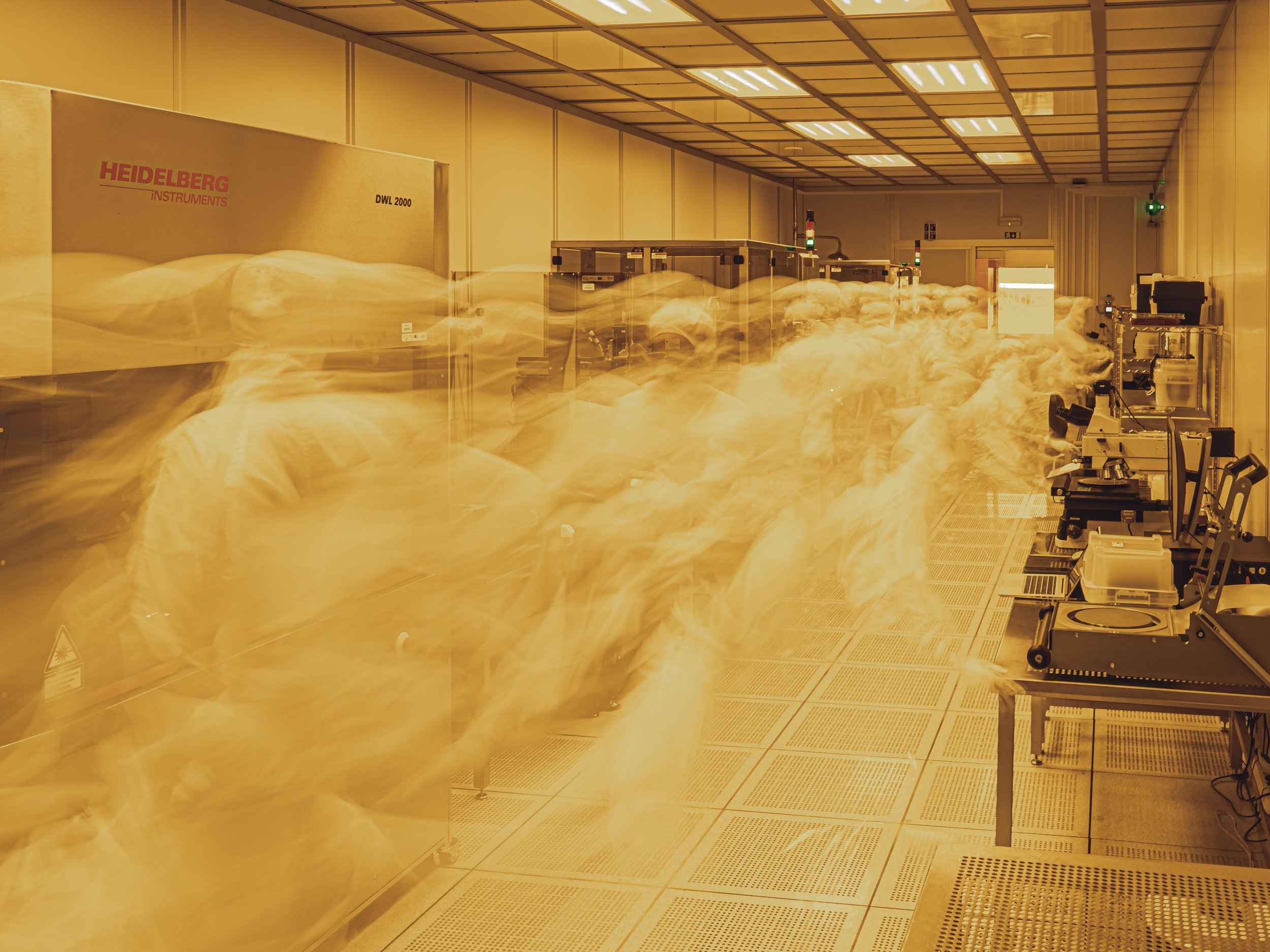
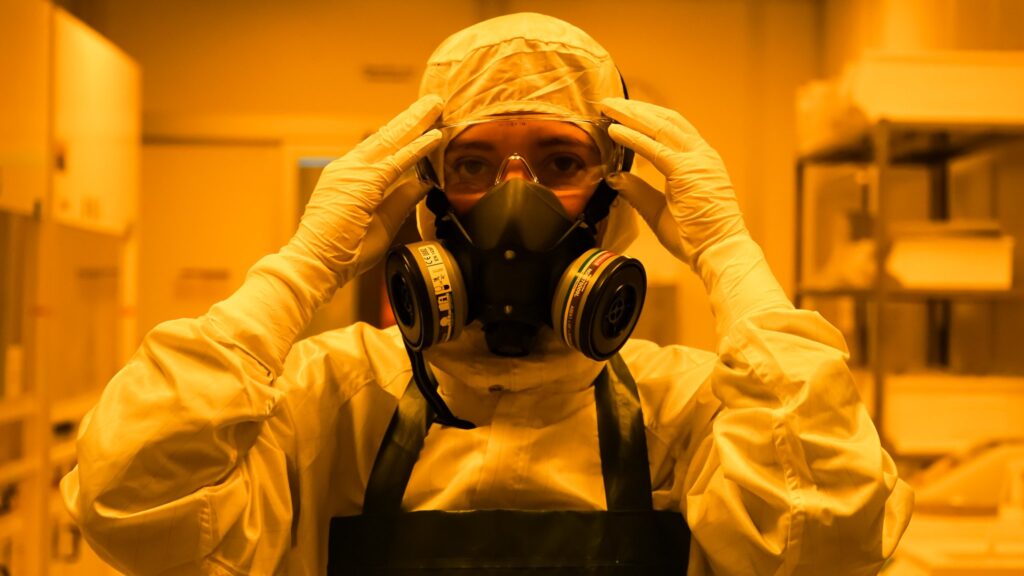
The #ERN2023 Photo Competition celebrated science, technology and art in the most creative way and the most eclectic mix of ideas, disciplines and perspectives creating the most far-reaching conversations, in-depth debates, and inspiring developments and playing an important role in making science accessible to a wide audience. This initiative occurred under the European Researchers’ Night 2023 event that took place on September 29, 2023, in different cities of Portugal – Braga, Coimbra, Lisboa and Évora and around Europe. In Braga, the main event happened at Altice Fórum Braga. This year’s motto was Science for Everyone – Sustainability and Inclusion. The #ERN2023 Photo Competition was an open competition and everyone was encouraged to capture scientific phenomena happening all around us and submit up to two original photographs in a unique category: ‘Science for Everyone – Sustainability and Inclusion’ (nano/micro images obtained through microscopes, images related to the labs, setups, sample preparation, simulations, everyday life related to science, etc.) All selected photos were evaluated by a jury composed of internal and external representatives from different areas. Please, find below the 3 winners: First place: HÉLDER FONSECA, PHOTO 30  2073: The ghost yellow room Second place: FREDILSON MELO, PHOTO 52  Bloom, Algae! Bloom! […]

Read more
September 29, marked the return of the European Researchers’ Night

September 29, marked the return of the European Researchers’ Night

Last Friday, September 29, marked the return of the European Researchers’ Night — the annual celebration of innovative research taking place simultaneously in more than 30 countries and 300 cities throughout Europe. The diverse programme gathered more than 400 researchers and included games, hands-on activities, interactive experiences, a ‘nano-quizz’ and ‘workshops’, where different areas such as chemistry, biology, physics, geology, mathematics, optometry, and biotechnology were crossed. These were just a few of the possible applications that ECUM – University of Minho and International Iberian Nanotechnology Laboratory (INL), many other partners introduced to more than 1400 visitors at Altice Fórum Braga. The audience defied all researchers with relevant questions and expressed genuine wonder as they saw “magic” happening before their eyes. This year, ‘Science for Everyone – Sustainability and Inclusion’ was the motto that framed an event committed to raising awareness about the role of science in achieving sustainability and inclusion goals among school students and different audiences, while identifying key societal concerns about climate change and sustainable growth and linking them to science-oriented solutions and proposals. This European project consortium includes as partners the National Museum of Natural History and Science of the University of Lisbon, the Nova School of […]

Read more
OPTIRAS: Advancing Sustainability in Aquaculture

OPTIRAS: Advancing Sustainability in Aquaculture

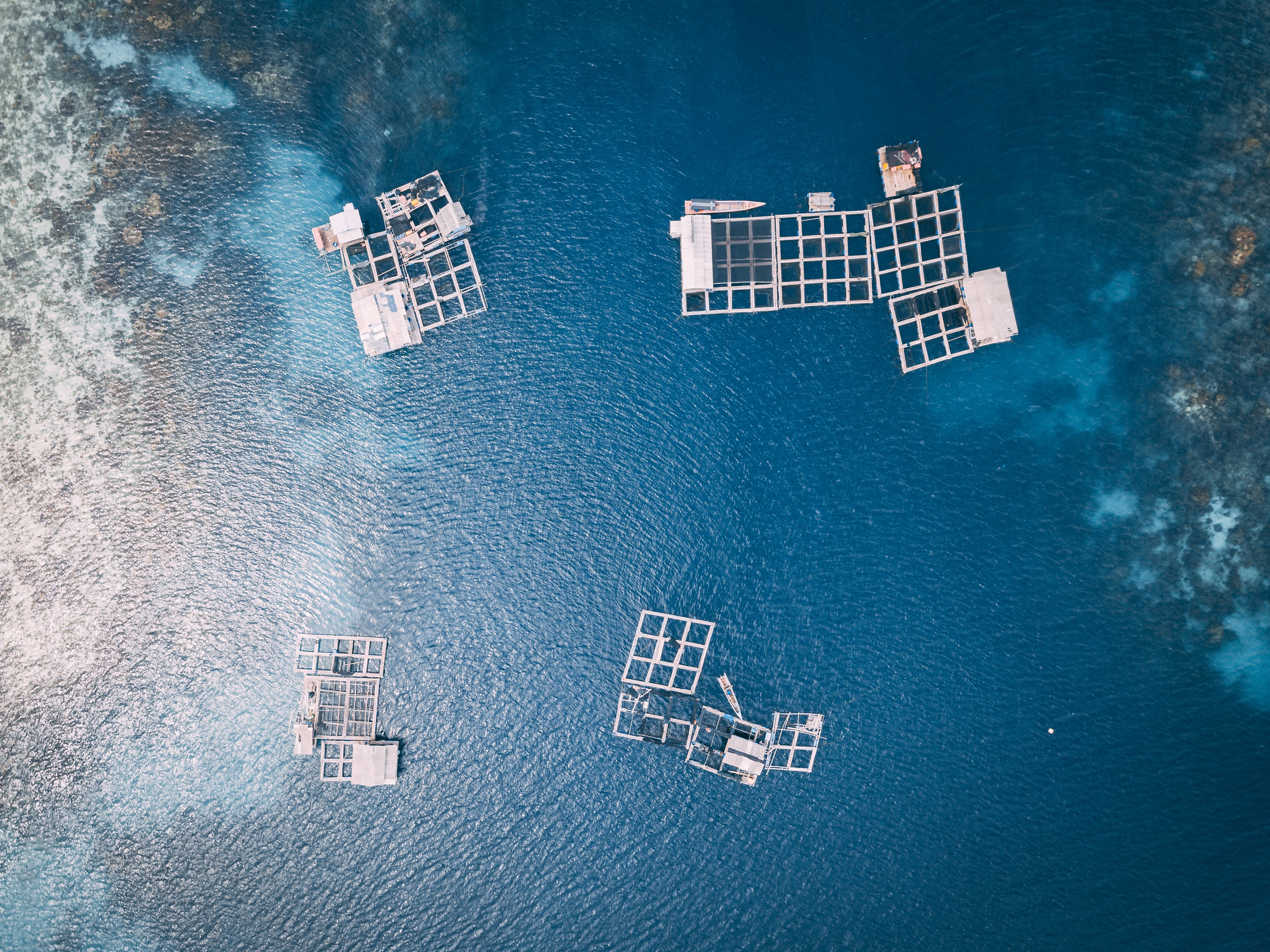
Today we are celebrating World Maritime Day! This celebration holds immense significance as it serves as a global platform for recognizing and celebrating the pivotal role of the maritime industry in connecting nations, facilitating international trade, and ensuring the world’s prosperity. INL continues to play a pivotal role in driving innovation and sustainability in various sectors, and one of the initiatives towards aquaculture sustainability is the OPTIRAS project. OPTIRAS, short for ‘Optimising RAS (Recirculating Aquaculture Systems) Technology in Europe’, is a pioneering project that focuses on enhancing the efficiency and sustainability of recirculating aquaculture systems. RAS technology is vital not only for efficient fish farming but also for minimising the environmental impact of aquaculture operations. These systems reduce water usage and help maintain water quality, ensuring the health of aquatic species and reducing pollution. OPTIRAS project aims to promote the adoption of cutting-edge technologies and best practices in recirculating aquaculture systems across Europe. Renato Gil, an INL researcher working on the project, recently gave an interview where he shed light on the innovative approaches being taken. To learn more about Renato Gil’s insights and the OPTIRAS project’s impact, you can watch his interview here.  On World Maritime Day, and as an […]

Read more
1 6 7 8 9 10 32