News

Revolutionising cancer monitoring: INL’s microfluidic chip enables earlier diagnosis and personalised treatment

Revolutionising cancer monitoring: INL’s microfluidic chip enables earlier diagnosis and personalised treatment

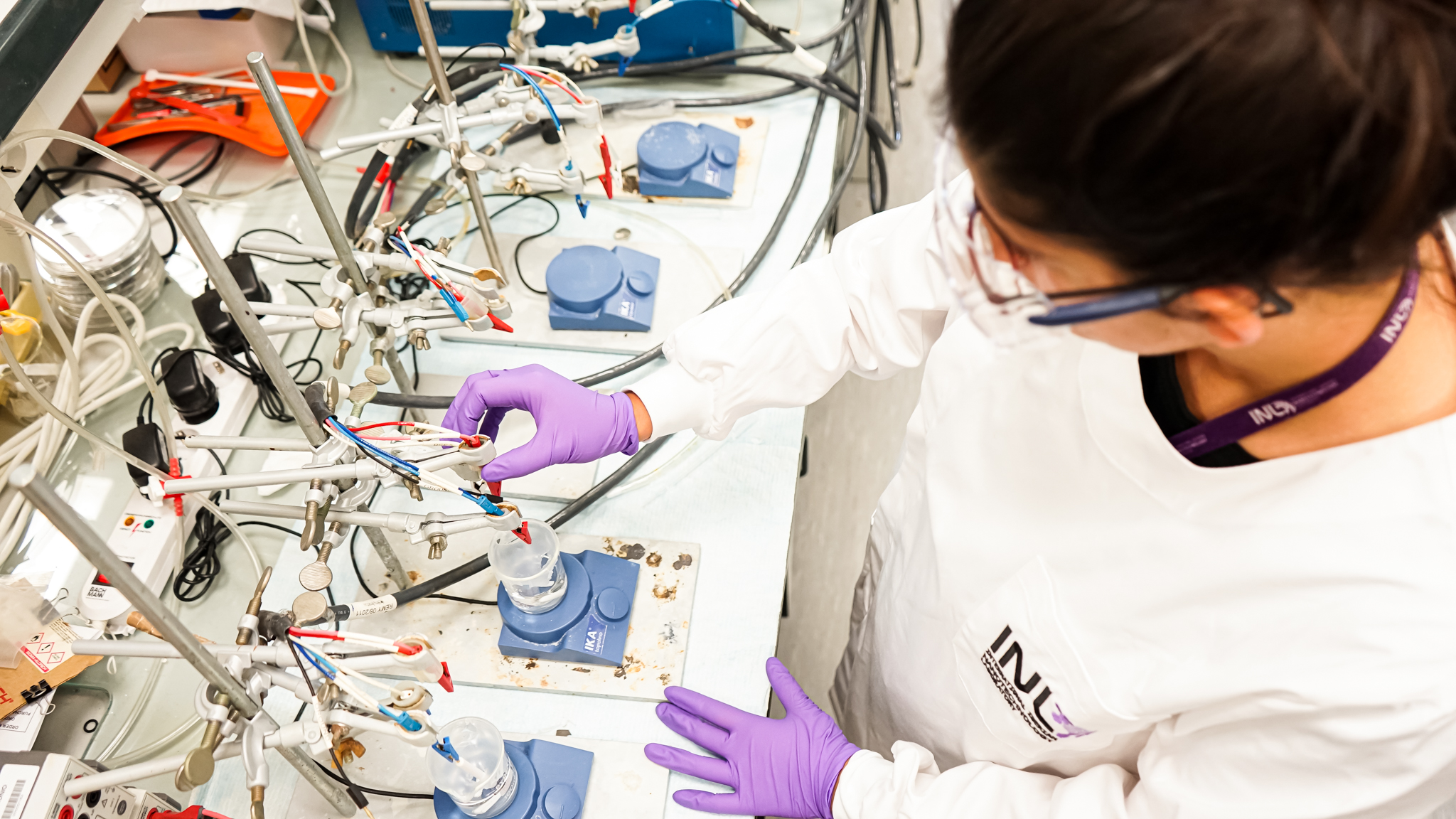
Circulating tumour cells, or CTCs, are the agents responsible for cancer’s spread to distant parts of the body and have been an enigma in the realm of cancer research. Their analysis, termed liquid biopsy, allows for non-invasive and continuous monitoring of cancer through a simple blood test. However, until now, this analysis has been limited by the technologies available for CTC isolation which were primarily dependent on immuno-recognition and only captured a subgroup of CTCs (typically the less aggressive type). The Medical Devices research group at INL has pioneered a microfluidic system that holds the potential to transform the way we understand and fight cancer. This pioneering microfluidic chip marks a paradigm shift. The revolutionary system can efficiently and swiftly isolate all types of CTCs directly from whole blood samples, eliminating the need for complex pre-processing steps. The microfluidic chip also facilitates high-resolution imaging of the CTCs, enabling automation of the entire processing and analysis method, thus reducing user dependence, and has already been demonstrated in clinical testing to predict cancer progression up to 1 year earlier than existing technologies. The project CTC-OncoDynamics funded through the Caixa Impulse Consolidate program, and done in collaboration with INL’s spin-off company RUBYnanomed, aimed […]

Read more
1st International Conference of the Portuguese Association of Cellular Agriculture at INL

1st International Conference of the Portuguese Association of Cellular Agriculture at INL

CellAgri Portugal – Portuguese Association for the Development of Cellular Agriculture together with INL – International Iberian Nanotechnology Laboratory and in partnership with Municipio de Braga, Portugal Foods, Colab4Food and FLAD hosted the 1st International Conference of the Portuguese Association of Cellular Agriculture. This event aimed to foster and encourage the collaborative development of cellular agriculture while sharing the latest scientific and innovative advancements related to cellular agriculture products, such as cultivated meat, fish, milk, collagen, leather, fur, wool, and hair, both nationally and internationally. Some of the most influential minds in cellular agriculture –  Mark Post, Isha Datar, Andrew Stout, and Vítor Espírito Santo joined this unique event as keynote speakers and panellists. They shared their expertise and insights on the latest developments, challenges, and opportunities in this transformative field. More than 150 participants took part in the conference during two truly productive and inspiring days in which we were able to learn from the best and discuss the most recent advances with leaders in the area.

Read more
Paving the Way for Cleaner Skies through Solar Innovation

Paving the Way for Cleaner Skies through Solar Innovation

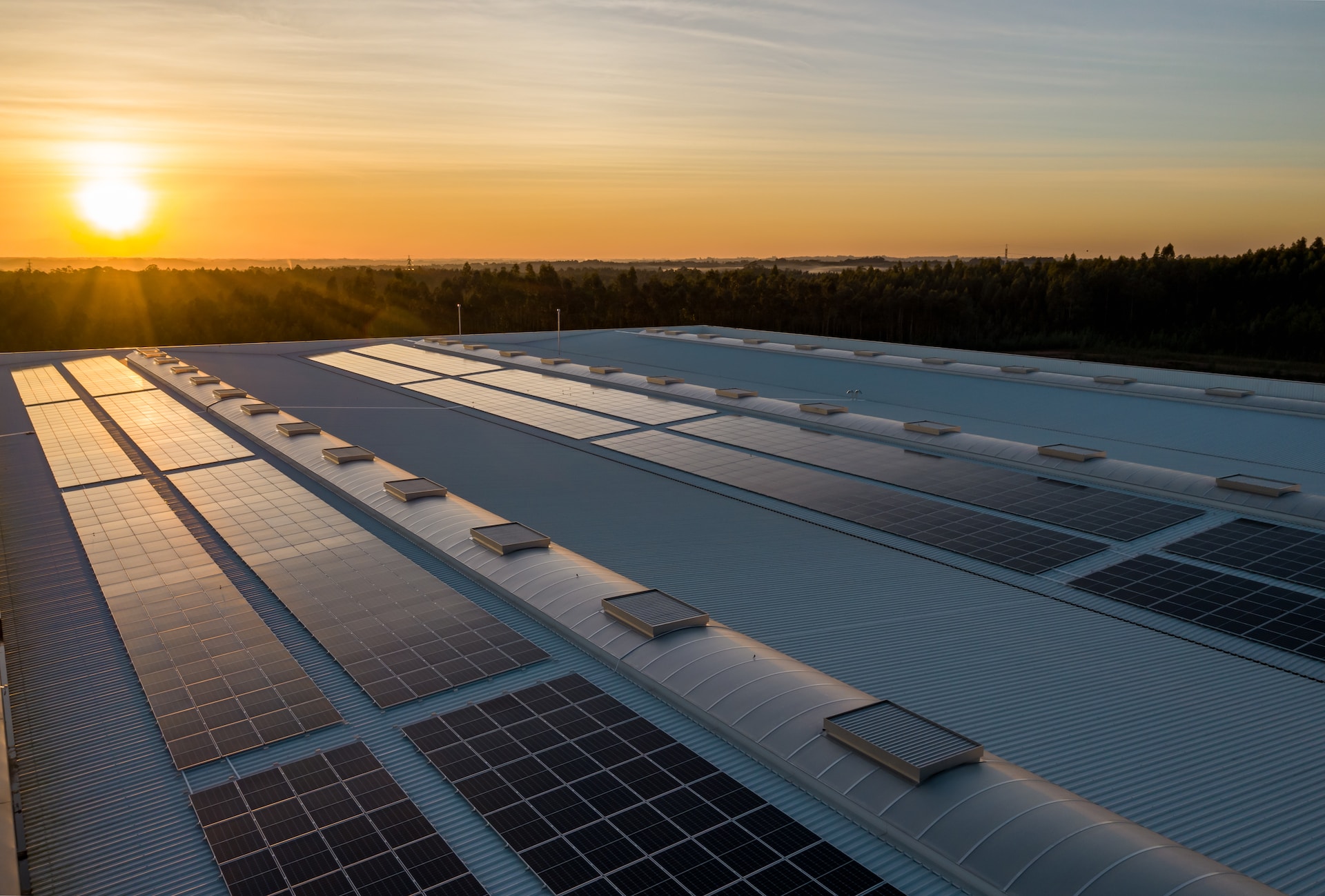
The International Day of Clean Air for Blue Skies is a global initiative focused on raising awareness about the critical need to address air pollution and promote cleaner environments. To face the grand challenge of transforming the energy system, the European project SITA aims to explore innovative concepts for tandem solar cells. SITA: Transforming Solar Energy Technology SITA introduces a revolutionary concept in tandem solar cells with a 2-terminal (2T) approach, combining the expertise of Silicon Heterojunction (SHJ) and high bandgap Cu(In, Ga)(Se, S)2(CIGS) technologies. This project demonstrates INL’s commitment to cutting-edge research and its dedication to addressing the urgent challenges of air quality and sustainable energy. The core idea behind SITA lies in creating tandem solar cells that eliminate the need for additional cables or electronics, a feat made possible by recent advancements in wide-gap CIGS devices boasting remarkable efficiency levels, exceeding 18%. The different partners of the consortium are working to showcase the durability of these new modules under real-world outdoor conditions, promising the next generation of stable inorganic tandem solar modules with greater device efficiency. This leap in efficiency carries the potential to reduce area-related system costs substantially, and consequently lower the ‘levelized cost of electricity’ (LCOE). […]

Read more
smart-PV project ends with a final workshop

smart-PV project ends with a final workshop

The final workshop of the smart-PV project took place last July, marking the successful completion of this research and development initiative. The PT2020 framework under COMPETE funded the project and was managed by the Portuguese Innovation Agency (ANI) under the contract reference POCI-01-0247-FEDER-068919. These collaborative projects, led by the industry, aim to develop innovative technologies in cooperation with partners. dstSolar led the smart-PV project, together with the INL – International Iberian Nanotechnology Laboratory, Instituto Eletrónico Português (IEP), and Instituto de Engenharia de Sistemas e Computadores, Tecnologia e Ciência (INESC-TEC). Together, we developed a ground-breaking platform for managing photovoltaic assets.  This platform collects data from various sources, including thermal images captured by unmanned aerial vehicles, meteorological data, and inverter electrical data. Utilizing advanced neural networks, the platform makes informed decisions regarding maintenance and predicts performance. Professor Pedro Salomé, the group leader of the Nanofabrication, Optoelectronics, and Energy Applications group (NOA) at INL, shared his thoughts on the project, stating that “when INL published its INL Go Global 2030 strategy document, which highlighted machine learning and digitalization as strategic priorities, our group immediately took the lead in coordinating the smart-PV proposal. We developed the smart-PV concept, utilizing neural networks to manage photovoltaic […]

Read more
INL researchers actively engaged in hydrogen and renewable gas research

INL researchers actively engaged in hydrogen and renewable gas research

INL researchers from the Clean Energy cluster are actively engaged in hydrogen and renewable gas research. Hydrogen holds tremendous potential to revolutionize our society in various ways. As a clean and versatile energy carrier, hydrogen offers a promising solution to mitigate climate change and reduce dependence on fossil fuels. It can be produced from water and renewable electricity, and it can be transformed into a wide range of synthetic fuels. Advancements in hydrogen research are driving the development of efficient and cost-effective methods for hydrogen production, storage, and utilisation. Hydrogen can be directly used in fuel cells for transportation, enabling zero-emission vehicles and reducing air pollution. It can also be used in industrial processes and power generation, fostering a sustainable energy ecosystem. Furthermore, by combining hydrogen with other abundant gases, it is possible to produce methane, methanol or other renewable gases, that are compatible with existing natural gas and energy infrastructure. While these factors open up opportunities for the widespread adoption of hydrogen, there is still a need to develop more efficient electrolysers and other systems that use fewer critical raw materials. Moreover, hydrogen can be applied in various sectors, including industrial processes, power generation, and residential applications, further contributing […]

Read more
Researchers from INL visited EB2/3 André Soares as part of the incluIR project

Researchers from INL visited EB2/3 André Soares as part of the incluIR project

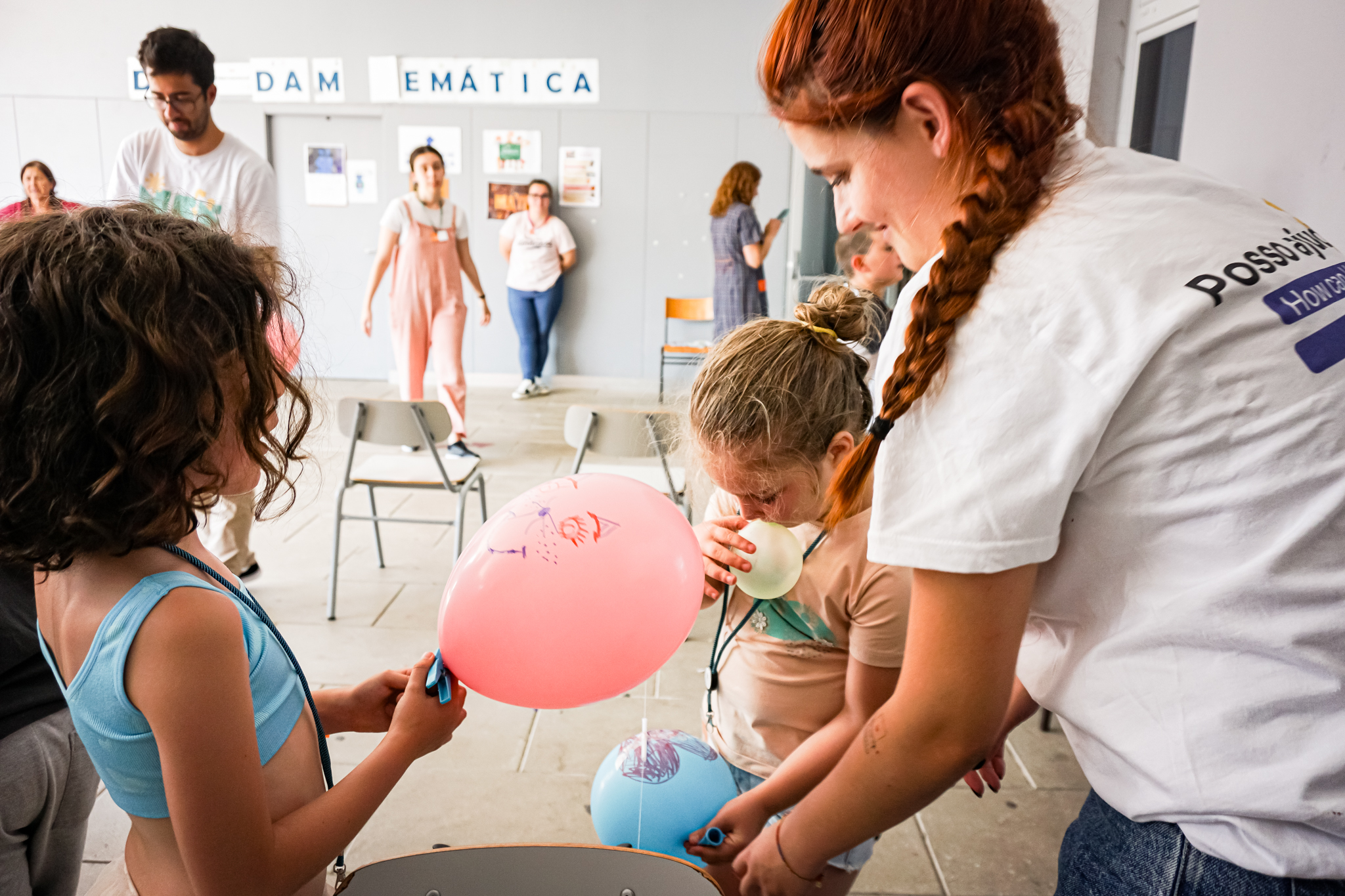
INL researchers visited, yesterday, the EB2/3 André Soares school, starting a new partnership with the Municipality of Braga within the scope of the ‘incluIR’ project. 7 researchers from different research areas were involved in the activity. ‘incluIR’ is an inclusive holidays project that allows children and adolescents to participate in educational activities, mitigating social and economic differences. During the months of July and August, participants take part in unusual activities, interacting with stimulating experiences and realities, which reinforce the importance of education through Art, Culture and Science. Carla Sepúlveda, Councilwoman for Education, Innovation, and Social Cohesion at the Municipality of Braga, remarked that “’incluIR’, besides its inclusive and integrative aspect, also has a very strong collaborative sphere. It is only possible to offer a program with quality activities based on partnerships with the various structures of the city/county.” She also added that “the partnership with INL arises from the intention of involving an important and fundamental structure for the territory in a project that promotes inclusion. Our goal is to bring to the school and to the vacation program the best that the city has to offer. We believe that an Educating City is the union of efforts and synergies […]

Read more
Closing event of the Baterias2030 Project

Closing event of the Baterias2030 Project

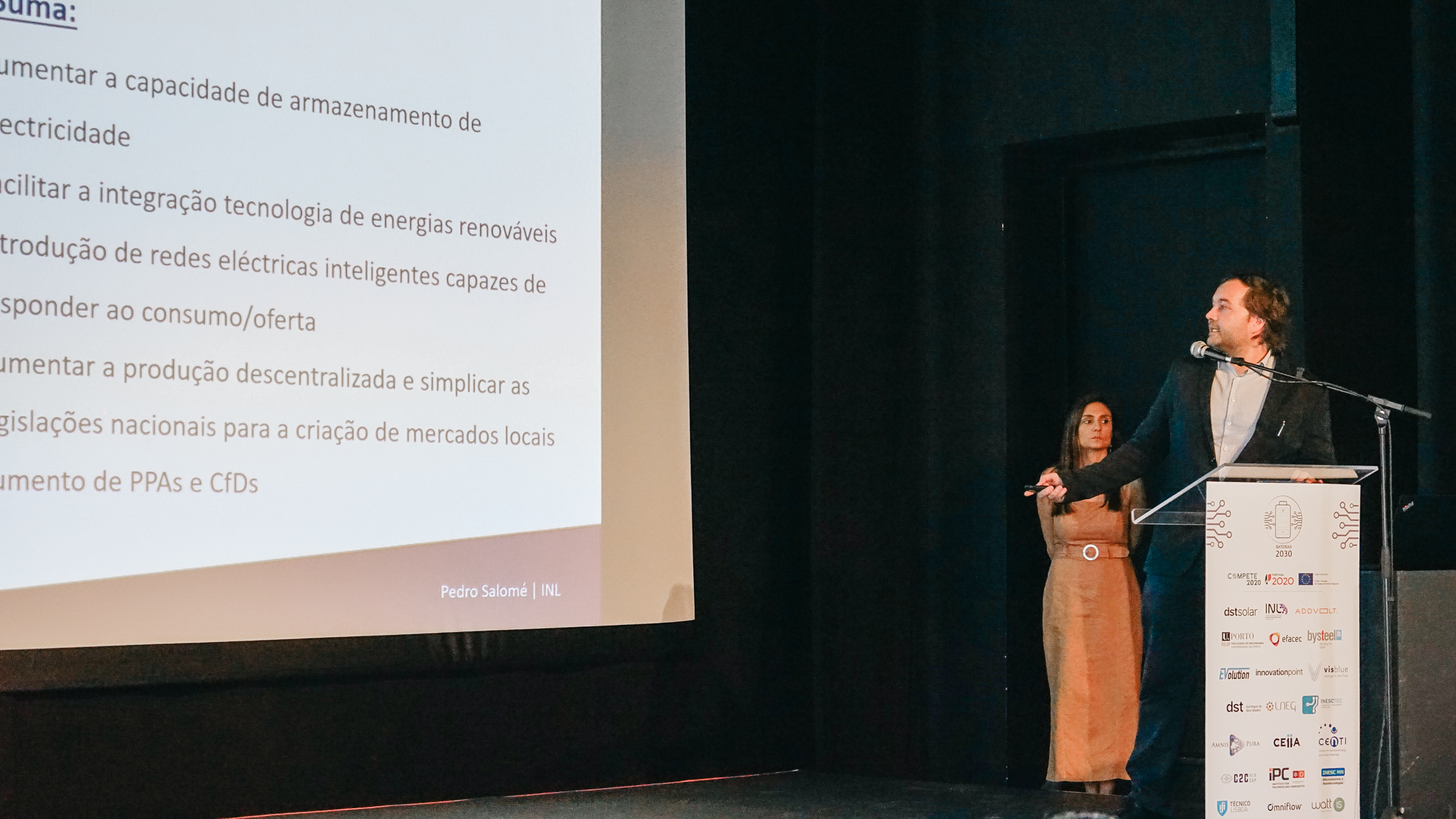
The closing event of the Baterias2030 took place yesterday at gnration, in Braga with all the partners and Braga City Council. Since 2018 and during the last years, the team involved in the Baterias2030 focused the work on the development of technologies applied to batteries of the future and their transfer to the urban environment. The project’s strategic goal was based on disruptive solutions, reliable, sustainable, easily scalable, capable of being integrated throughout the value chain and accessible to the consumer and was aligned with European strategies in terms of decarbonization and sustainable cities, and the coordination with technological agendas to ensure the strategic positioning of the Batteries 2030 in the national panorama. 23 entities took part in the consortium of the Baterias2030 project which was conceived based on energy storage and production technologies with a high potential to evolve beyond the current state-of-the-art and the willingness on the part of business and scientific co-drivers to collaborate and contribute in terms of the development of technologies and/or their application in the market. The last years also counted on the collaboration of the Braga City Council in the implementation of the living laboratory for decarbonization. According to Pedro Salomé “…today we finished the […]

Read more
CTBio – Crossborder Biotech Cluster closing event at INL

CTBio – Crossborder Biotech Cluster closing event at INL

The closing session of the CTBio – Cross-Border Biotechnology Cluster project took place, this week, at INL – International Iberian Nanotechnology Laboratory. All the partners – Universidade de Santiago de Compostela, Cluster Tecnoloxico Empresarial das Ciencias da Vida (BIOGA), Consorcio de La Zona Franca de Vigo, Universidade do Minho (UMinho), and INL – Laboratorio Iberico Internacional de Nanotecnologia met and showcased all the impressive outcomes of the project. During the working months, the team involved in the project was able to create three sectorial hybridization workshops for the design and development of new business methods based on the synergies of different sectors of the Euroregion in addition to 22 biotech projects and SMEs advised, through the hybridization between the strategic, technological and biotech sectors of the Euroregion. The CTBio – Cross-Border Biotechnology Cluster project was co-financed by the European Regional Development Fund FEDER through the Interreg Spain – Portugal program (POCTEP) and sought to reinforce the positioning of this CTBio Cluster as a reference structure for the business dynamization of the biotech sector in the Euroregion, while increasing its scope of action and laying the foundations for the future creation of the Iberian Cross-Border Biotechnology Pole.

Read more
INL researchers develop a new model to predict toxicity of nanomaterials

INL researchers develop a new model to predict toxicity of nanomaterials

Engineered nanomaterials based on metal oxide nanoparticles offer many promising applications – from cosmetics and sunscreens to diagnostic devices and textiles. These nanomaterials offer exciting technological properties. However, it is crucial to understand their interaction with the biological environment, such as marine, atmospheric and terrestrial ecosystems.  Alarmingly, emerging studies suggest that engineered nanomaterials might present toxic effects on human lungs, and there is still no international consensus on the metrics and exposure limits of these nanomaterials, as toxicity studies are usually conducted in non-human laboratory models. Researchers from the Nanosafety research group at INL are innovating and using in silico experiments to predict the toxicity of engineered nanomaterials – i.e., these toxicity studies can be performed using an artificial intelligence-assisted and data-driven framework.  João Meneses, the leading author of this study, explains “We developed a machine learning model to predict the potential human lung cell toxicity induced by metal oxide nanoparticles exposure”. The group has successfully shown that it is possible to build a simple, easy-to-interpret, and robust model aligning with the principle of Safe-by-Design. João adds that the recently published study “could pave the way for efficient decision-making, prediction, and mitigation of the potential occupational and environmental risks associated with engineered nanomaterials”. This […]

Read more
1 13 14 15 16 17 54