News

Conference on Tools and Tests for Safer-by-Design Nanomaterials at INL

Conference on Tools and Tests for Safer-by-Design Nanomaterials at INL

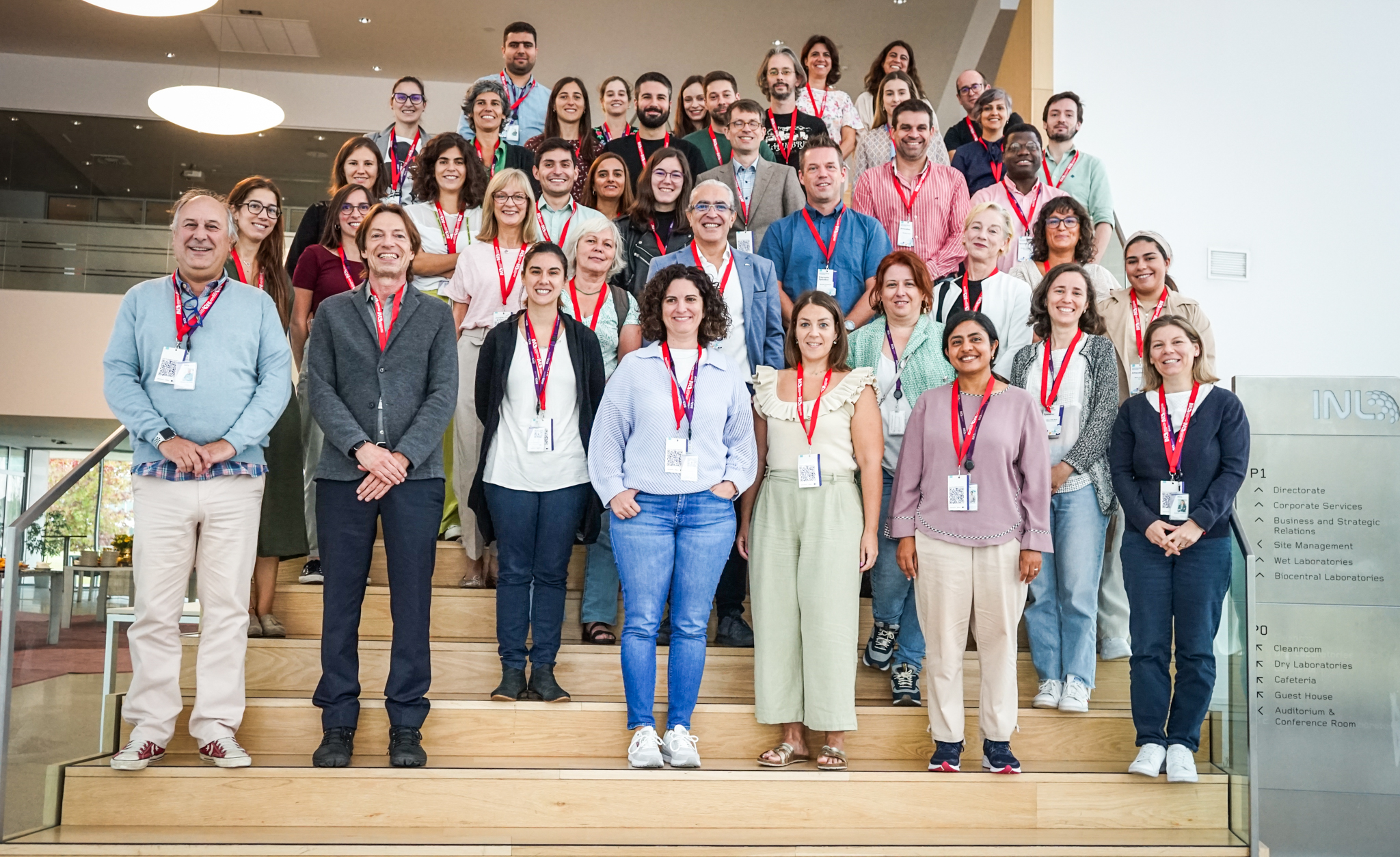
The Conference on Tools and Tests for Safer-by-Design Nanomaterials, took place, this week, in Braga – Portugal, at INL – International Iberian Nanotechnology Laboratory. This conference was organised by the SBDToolbox Project team and addressed the most promising methods and tools to obtain the relevant data encompassing the specific properties that differentiate nanomaterials from chemicals. We paid special attention to the particular needs of the diverse impact and application areas, namely health, food or environment and their relationship in the integrative context of ONE HEALTH. This unique event on Tools and Tests for Safer-by-Design Nanomaterials brought together researchers, policy-makers and industry in a full programme with insightful plenaries, invited talks, and networking opportunities.

Read more
i-GRAPE project distinguished by Port and Douro Wines Institute

i-GRAPE project distinguished by Port and Douro Wines Institute

On September 10th, the project i-GRAPE was celebrated amidst “Porto Wine Day”, an event hosted by the Port and Douro Wines Institute (IVDP). With the goal of preserving the wine’s heritage and attained to the theme “Douro + Susteinable”, this was also an opportunity to celebrate Sogrape, which was awarded in the “Viticulture” category. INL is the project coordinator of i-GRAPE and Professor Paulo Freitas, INL’s Deputy Director-General, attended the event, held at Teatrinho Reguense, in the city of Peso da Régua. i-GRAPE is an innovative project, focused on developing a new generation of analytical methods for control of the grape maturation phase and vine hydric stress. Operating in a highly competitive market, its simple, rapid and cost-effective techniques will allow the winemaker to control irrigation in the latest steps of grape maturation, and plan the harvest at the optimum time. When it comes to efficacy, this means optimizing wine quality at the end of the wine value chain. Promoting forefront applications to everyday fields, i-GRAPE provides a digital tool that supports the decision-making processes, making sure that the automation control has an impact in the quality and value of the wine. This tool consists in an apparatus that is […]

Read more
TrustEat Final Conference in Wageningen Netherlands 

TrustEat Final Conference in Wageningen Netherlands 

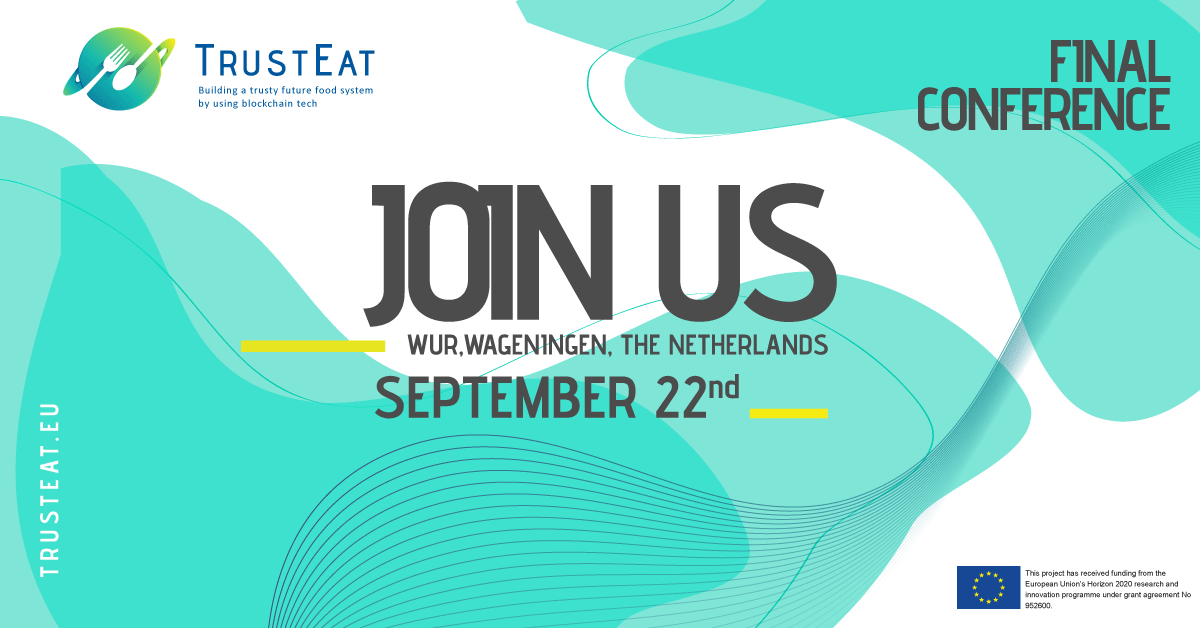
TRUSTEAT project final conference will take place in Wageningen – Netherlands on September 22, 2023. The one-day event is aimed towards both national and international industrial players, research institutions and universities, as well as national and regional authorities. By bringing together R&D experts and stakeholders, the consortium aims to identify common research goals, overlaps, and promising areas of potential collaboration. The sessions will also include disseminating selected technologies and collaboration opportunities in fundraising through brokerage sessions: TrustEat Final Conference is powered by the KB37 project, which is centred on promoting healthy and safe food systems, bringing together experts from various fields. Know more and register by clicking here.

Read more
Revolutionising cancer monitoring: INL’s microfluidic chip enables earlier diagnosis and personalised treatment

Revolutionising cancer monitoring: INL’s microfluidic chip enables earlier diagnosis and personalised treatment

Circulating tumour cells, or CTCs, are the agents responsible for cancer’s spread to distant parts of the body and have been an enigma in the realm of cancer research. Their analysis, termed liquid biopsy, allows for non-invasive and continuous monitoring of cancer through a simple blood test. However, until now, this analysis has been limited by the technologies available for CTC isolation which were primarily dependent on immuno-recognition and only captured a subgroup of CTCs (typically the less aggressive type). The Medical Devices research group at INL has pioneered a microfluidic system that holds the potential to transform the way we understand and fight cancer. This pioneering microfluidic chip marks a paradigm shift. The revolutionary system can efficiently and swiftly isolate all types of CTCs directly from whole blood samples, eliminating the need for complex pre-processing steps. The microfluidic chip also facilitates high-resolution imaging of the CTCs, enabling automation of the entire processing and analysis method, thus reducing user dependence, and has already been demonstrated in clinical testing to predict cancer progression up to 1 year earlier than existing technologies. The project CTC-OncoDynamics funded through the Caixa Impulse Consolidate program, and done in collaboration with INL’s spin-off company RUBYnanomed, aimed […]

Read more
Paving the Way for Cleaner Skies through Solar Innovation

Paving the Way for Cleaner Skies through Solar Innovation

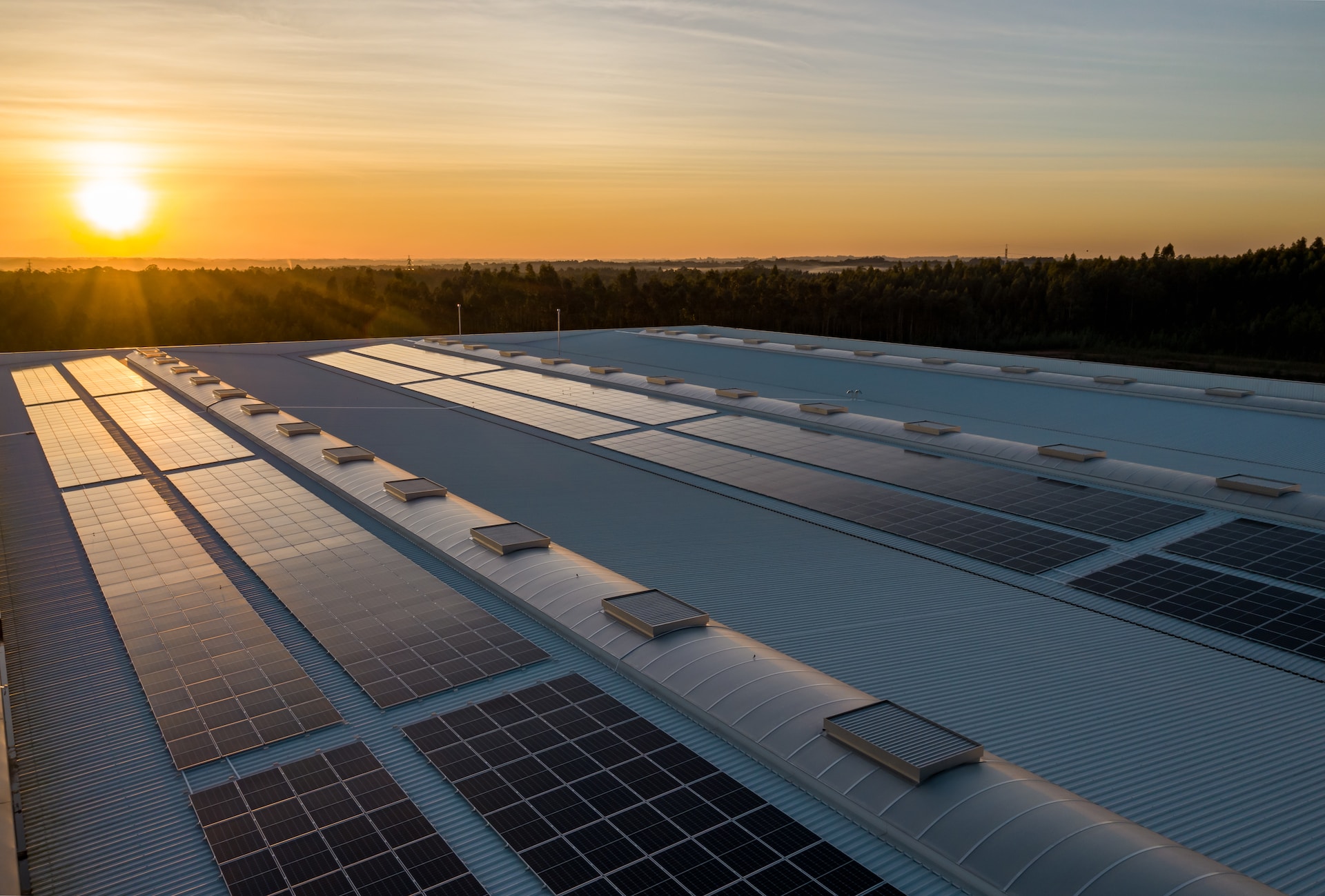
The International Day of Clean Air for Blue Skies is a global initiative focused on raising awareness about the critical need to address air pollution and promote cleaner environments. To face the grand challenge of transforming the energy system, the European project SITA aims to explore innovative concepts for tandem solar cells. SITA: Transforming Solar Energy Technology SITA introduces a revolutionary concept in tandem solar cells with a 2-terminal (2T) approach, combining the expertise of Silicon Heterojunction (SHJ) and high bandgap Cu(In, Ga)(Se, S)2(CIGS) technologies. This project demonstrates INL’s commitment to cutting-edge research and its dedication to addressing the urgent challenges of air quality and sustainable energy. The core idea behind SITA lies in creating tandem solar cells that eliminate the need for additional cables or electronics, a feat made possible by recent advancements in wide-gap CIGS devices boasting remarkable efficiency levels, exceeding 18%. The different partners of the consortium are working to showcase the durability of these new modules under real-world outdoor conditions, promising the next generation of stable inorganic tandem solar modules with greater device efficiency. This leap in efficiency carries the potential to reduce area-related system costs substantially, and consequently lower the ‘levelized cost of electricity’ (LCOE). […]

Read more
Investigating Air Quality in Schools with Advanced Sensors and Innovative Strategies

Investigating Air Quality in Schools with Advanced Sensors and Innovative Strategies

The LEARN project team is focused on understanding how air quality in schools affects children’s learning abilities. This unique EU-funded project aims to overcome existing technological barriers and develop new sensors to detect harmful air pollutants like volatile organic compounds and ultrafine particles. By measuring and studying indoor and outdoor air pollutants, as well as biomarkers of exposure, the researchers will assess their impact on children’s cognition. To achieve the project’s goals, a diverse team of leading researchers from various fields, such as environmental epidemiology, toxicology, air quality, systems biology, engineering, and social sciences, was assembled. To further explore these effects, INL researchers are using C. elegans as biosensors. Nivedita Chatterjee, who works in the Nanosafety research group, explains that “at INL, we set up a non-mammalian alternative model to study toxicity, development and behaviour, and we have been obtaining fascinating results. This will help us to better learn the effect of air pollutants on children’s health“. With LEARN‘s scientific achievements, we will have long-term impacts on indoor air quality technology, significantly improving the quality of life for children in Europe and leading to positive changes in society and the economy. Learn more about LEARN project and follow the project on social […]

Read more
smart-PV project ends with a final workshop

smart-PV project ends with a final workshop

The final workshop of the smart-PV project took place last July, marking the successful completion of this research and development initiative. The PT2020 framework under COMPETE funded the project and was managed by the Portuguese Innovation Agency (ANI) under the contract reference POCI-01-0247-FEDER-068919. These collaborative projects, led by the industry, aim to develop innovative technologies in cooperation with partners. dstSolar led the smart-PV project, together with the INL – International Iberian Nanotechnology Laboratory, Instituto Eletrónico Português (IEP), and Instituto de Engenharia de Sistemas e Computadores, Tecnologia e Ciência (INESC-TEC). Together, we developed a ground-breaking platform for managing photovoltaic assets.  This platform collects data from various sources, including thermal images captured by unmanned aerial vehicles, meteorological data, and inverter electrical data. Utilizing advanced neural networks, the platform makes informed decisions regarding maintenance and predicts performance. Professor Pedro Salomé, the group leader of the Nanofabrication, Optoelectronics, and Energy Applications group (NOA) at INL, shared his thoughts on the project, stating that “when INL published its INL Go Global 2030 strategy document, which highlighted machine learning and digitalization as strategic priorities, our group immediately took the lead in coordinating the smart-PV proposal. We developed the smart-PV concept, utilizing neural networks to manage photovoltaic […]

Read more
INL researchers actively engaged in hydrogen and renewable gas research

INL researchers actively engaged in hydrogen and renewable gas research

INL researchers from the Clean Energy cluster are actively engaged in hydrogen and renewable gas research. Hydrogen holds tremendous potential to revolutionize our society in various ways. As a clean and versatile energy carrier, hydrogen offers a promising solution to mitigate climate change and reduce dependence on fossil fuels. It can be produced from water and renewable electricity, and it can be transformed into a wide range of synthetic fuels. Advancements in hydrogen research are driving the development of efficient and cost-effective methods for hydrogen production, storage, and utilisation. Hydrogen can be directly used in fuel cells for transportation, enabling zero-emission vehicles and reducing air pollution. It can also be used in industrial processes and power generation, fostering a sustainable energy ecosystem. Furthermore, by combining hydrogen with other abundant gases, it is possible to produce methane, methanol or other renewable gases, that are compatible with existing natural gas and energy infrastructure. While these factors open up opportunities for the widespread adoption of hydrogen, there is still a need to develop more efficient electrolysers and other systems that use fewer critical raw materials. Moreover, hydrogen can be applied in various sectors, including industrial processes, power generation, and residential applications, further contributing […]

Read more
Closing event of the Baterias2030 Project

Closing event of the Baterias2030 Project

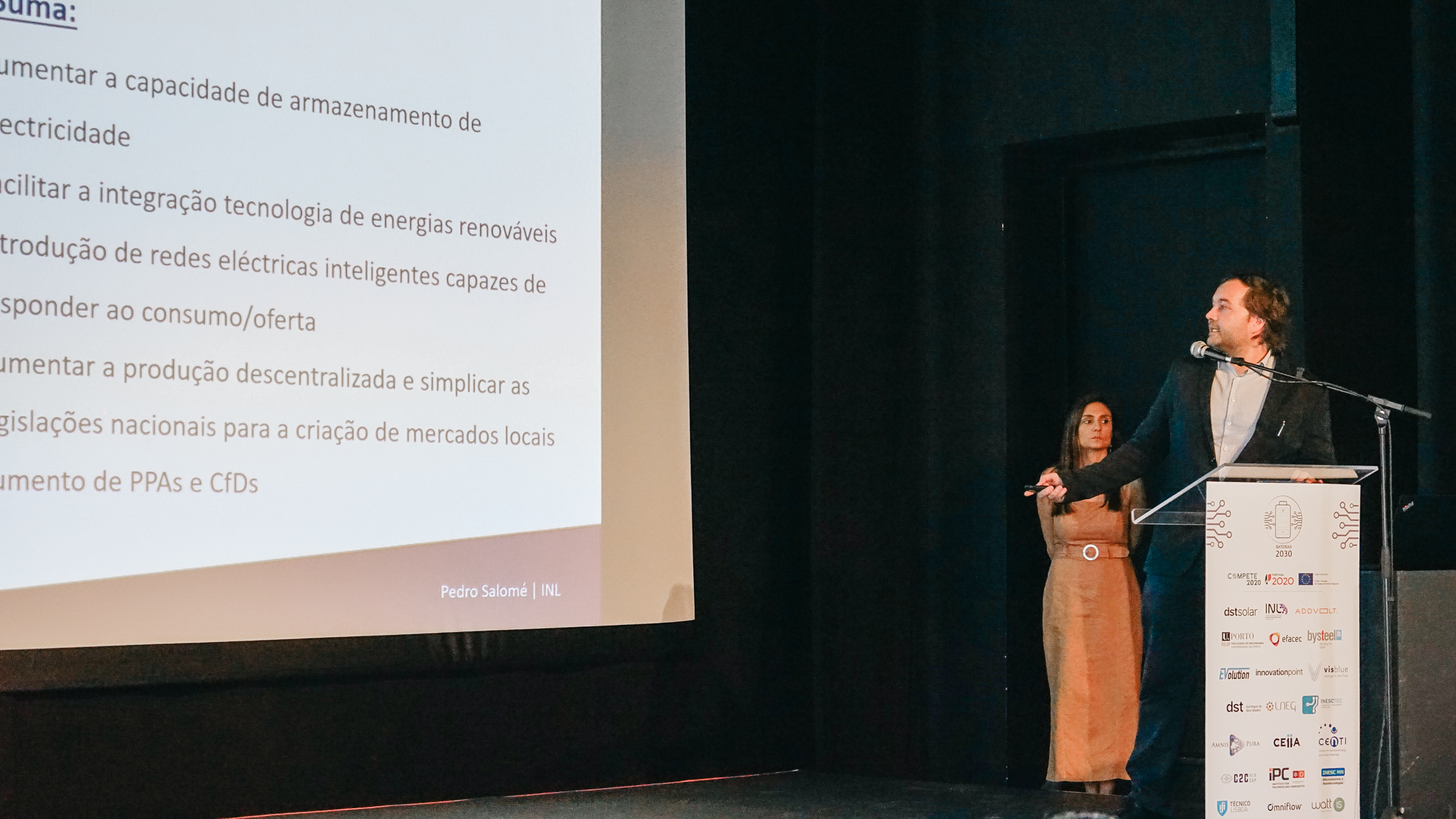
The closing event of the Baterias2030 took place yesterday at gnration, in Braga with all the partners and Braga City Council. Since 2018 and during the last years, the team involved in the Baterias2030 focused the work on the development of technologies applied to batteries of the future and their transfer to the urban environment. The project’s strategic goal was based on disruptive solutions, reliable, sustainable, easily scalable, capable of being integrated throughout the value chain and accessible to the consumer and was aligned with European strategies in terms of decarbonization and sustainable cities, and the coordination with technological agendas to ensure the strategic positioning of the Batteries 2030 in the national panorama. 23 entities took part in the consortium of the Baterias2030 project which was conceived based on energy storage and production technologies with a high potential to evolve beyond the current state-of-the-art and the willingness on the part of business and scientific co-drivers to collaborate and contribute in terms of the development of technologies and/or their application in the market. The last years also counted on the collaboration of the Braga City Council in the implementation of the living laboratory for decarbonization. According to Pedro Salomé “…today we finished the […]

Read more
1 7 8 9 10 11 32